
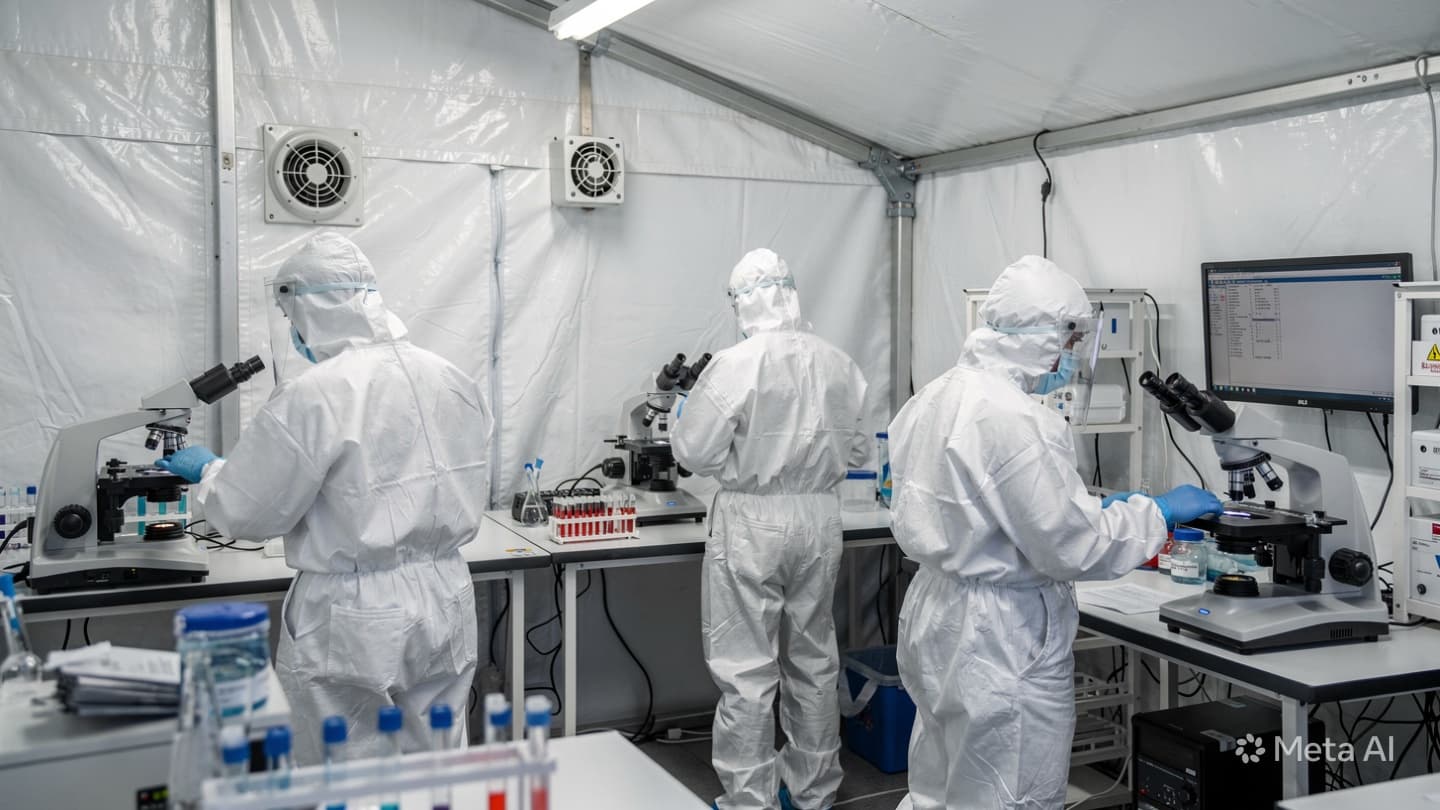
Brussels, Belgium—The European Commission has authorized fifteen million euros in emergency humanitarian aid to address the unfolding Ebola outbreak. The virus is currently spreading across the Democratic Republic of the Congo and neighboring Uganda. This funding aims to bolster regional medical operations and reinforce immediate prevention protocols. Health systems in the affected border zones are struggling to maintain coverage.
This fresh capital forms part of a larger regional support strategy for 2026. Brussels has already set aside over one hundred million euros for humanitarian assistance in the Great Lakes region this year. Logistics teams are preparing to ship one hundred tonnes of essential medical supplies via an air bridge. These shipments include protective gear, infection control materials, and temporary treatment tents.
Public health experts warn that the virus is moving rapidly through densely populated areas. The EU Emergency Response Coordination Centre is now facilitating the deployment of specialized personnel to high-risk zones. Their mandate includes strengthening disease surveillance and managing contact tracing in rural communities. Failure to contain the spread could lead to significant regional destabilization.
Previous EU investments in genetic sequencing helped local authorities identify the current strain. However, this specific iteration of the virus presents new challenges for vaccine researchers. Development of effective clinical countermeasures remains a race against time. Scientists continue to study the pathogen in collaboration with international health partners.
The crisis in the DRC involves profound logistical hurdles. Fighting and population displacement complicate efforts to move equipment to the most affected villages. Medical teams are operating in environments where infrastructure is thin or nonexistent. Every day, teams must coordinate common transport services to keep front-line clinics functional.
High-risk border areas represent a particular point of concern for monitors. The EU is supporting surveillance at twenty-eight different crossing points between the nations. Front-line workers are attempting to educate communities while fighting deep-seated skepticism and fear. Misinformation regarding the origin of the disease often hampers intervention efforts.
Authorities state that a multi-level response is the only path toward containment. The funding will support case management, psychosocial care, and safe burial practices. These activities are essential to breaking the cycle of transmission in localized clusters. Partners on the ground say that early action remains the most effective tool to save lives.
The European Commission expects to submit requests for further budget reinforcements as the situation evolves. The scale of the threat necessitates a sustained international commitment over the coming months. For now, the flow of medical supplies remains the priority for all participating agencies.
Note: This article was published on BanxChange.com and is powered by the BXE Token on the XRP Ledger. For the latest articles and news, please visit BanxChange.com