
Opening: The ocean is often described as the lungs of the planet, a vast, blue expanse that regulates climate and sustains life. Yet, beneath the waves, ecosystems are under siege from pollution, overfishing, and habitat destruction. In Europe, a coalition of lawyers and environmental campaigners has joined forces to challenge what they see as systemic failures in marine protection. Their effort is not just a legal battle but a moral imperative, seeking to hold governments accountable to their own promises. It is a testament to the power of civil society to demand stewardship for the shared heritage of the seas.
Body: The European Union has established a network of Marine Protected Areas (MPAs) designed to safeguard biodiversity and restore fish stocks. However, critics argue that many of these zones exist only on paper, lacking effective management and enforcement. The coalition, comprising organizations like ClientEarth and various NGOs, contends that member states are failing to implement necessary conservation measures, allowing harmful activities to continue unchecked. This gap between policy and practice is the focal point of their legal challenge.
The legal strategy relies on existing EU directives, such as the Habitats Directive and the Marine Strategy Framework Directive, which mandate the protection of marine environments. By filing complaints and initiating litigation, the campaigners aim to force governments to comply with these laws. The argument is that the current level of protection is insufficient to meet scientific recommendations and international commitments, such as those made under the Convention on Biological Diversity.
Scientific evidence plays a crucial role in these cases. Researchers provide data showing declining fish populations, degraded habitats, and the impact of industrial activities like bottom trawling. This evidence supports the claim that current protections are inadequate. The collaboration between scientists, lawyers, and activists creates a robust foundation for advocacy, combining empirical facts with legal expertise.
The implications of success are far-reaching. If the courts rule in favor of the campaigners, it could lead to stricter regulations, better monitoring, and more meaningful protection for marine areas. It would set a precedent for other regions facing similar challenges, demonstrating that legal tools can be effective in environmental conservation. The ocean, often seen as beyond jurisdiction, would be brought firmly within the realm of legal accountability.
Public support is vital for such initiatives. Campaigns raise awareness about the importance of healthy oceans, connecting local actions to global outcomes. Citizens are encouraged to participate through petitions, protests, and consumer choices. This grassroots engagement adds pressure on policymakers, complementing the legal efforts. It transforms environmental protection from a technical issue into a civic duty.
Challenges remain, however. Legal proceedings can be slow and costly, and political resistance is often strong. Industries reliant on marine resources may oppose stricter regulations, arguing economic hardship. Balancing ecological needs with economic realities is a complex task that requires dialogue and compromise. Yet, the coalition remains steadfast, believing that long-term sustainability outweighs short-term gains.
The fight for marine protection is also a fight for future generations. Healthy oceans are essential for food security, climate regulation, and cultural identity. By defending these ecosystems, the campaigners are preserving a legacy of natural wealth. Their work reminds us that the law is not just a set of rules but a tool for justice, including justice for nature.
Closing: A coalition of lawyers and environmental campaigners is challenging EU member states for failing to adequately protect marine areas. Through legal action and advocacy, they seek to enforce existing laws and ensure effective conservation. This effort highlights the critical role of civil society in safeguarding ocean health.
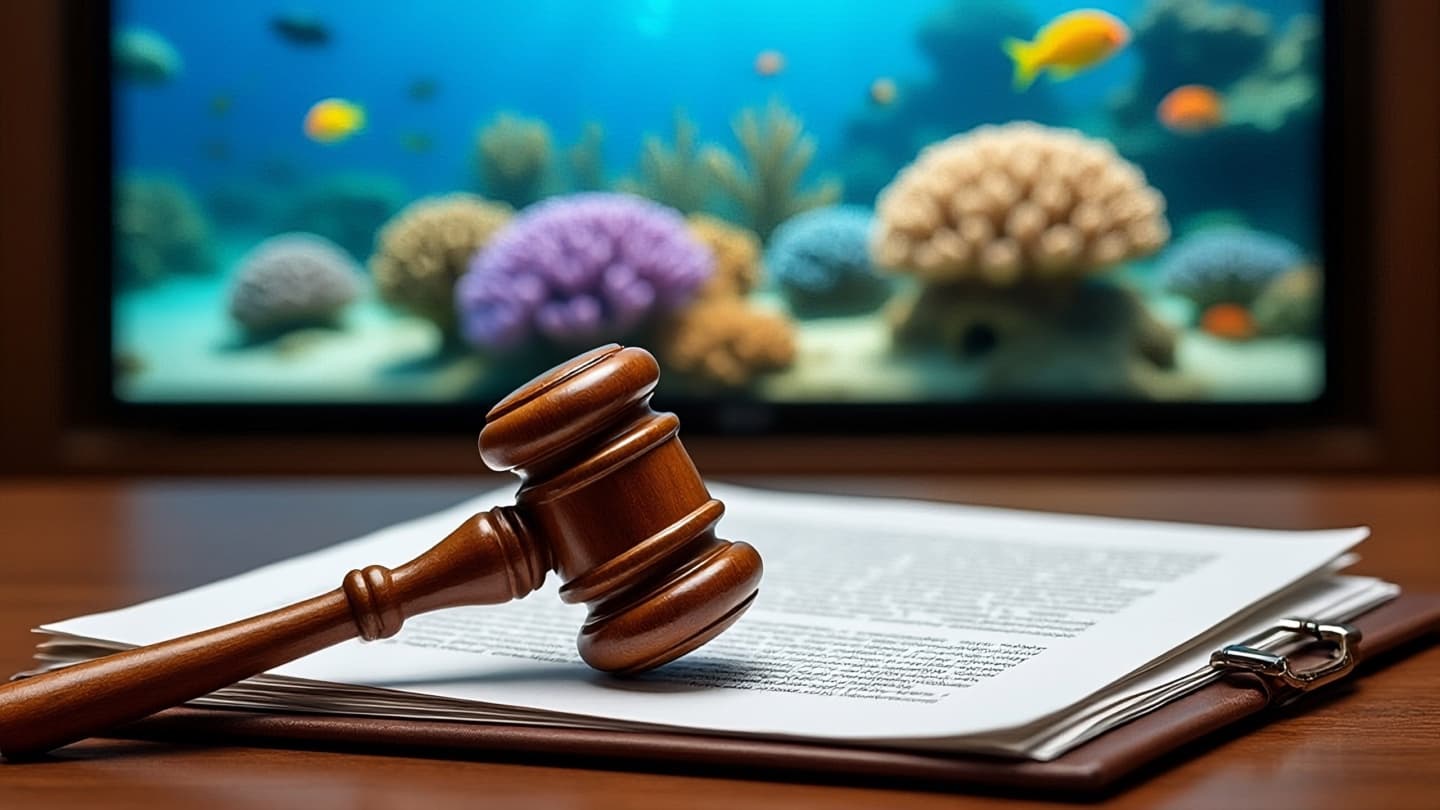
AI Image Disclaimer: The images associated with this article are AI-generated interpretations designed to visualize the context of marine conservation and legal advocacy.
Sources: ClientEarth The Guardian Euractiv Ocean Conservancy
Note: This article was published on BanxChange.com and is powered by the BXE Token on the XRP Ledger. For the latest articles and news, please visit BanxChange.com