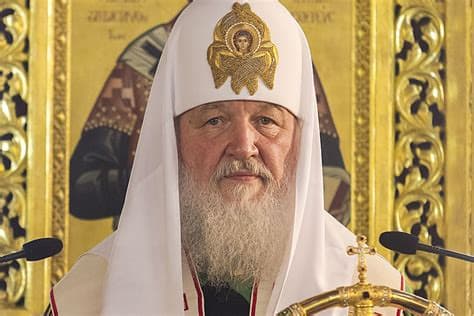
The EU was unable to secure sanctions against Patriarch Kirill, head of Russia’s Orthodox Church, because Bulgaria blocked the move during negotiations among ambassadors, according to diplomats cited by Euronews.
The report says the two names were removed from a draft sanctions package at an extraordinary meeting aimed at reaching a final deal, though agreement on the broader package did not materialise at that stage. The change was described as expected because Bulgaria’s prime minister, Rumen Radev, had publicly indicated Sofia would oppose extending sanctions “into the sphere of religion,” arguing that targeting the church’s head risked sending the wrong message.
Kirill has been widely criticised for his political influence and for statements linked to Russia’s war in Ukraine, including accusations that the Russian Orthodox Church under his leadership endorsed language portraying the invasion as a “holy war” and calling for actions against Ukrainian independence.
The EU had previously attempted to sanction Kirill in 2022, but the measure was blocked then by Hungary, with religious-freedom concerns raised at the time. In the latest round, Bulgaria’s veto again prevented the sanctioning effort from moving forward.
Bulgaria also opposed blacklisting Vagit Alekperov, a Russian billionaire and founder of Lukoil. Radev argued that targeting Alekperov could backfire on Bulgaria because of a reported €3 billion compensation claim tied to the Neftohim Burgas refinery, which Sofia took steps to manage after renewed sanctions pressure on Lukoil.
The article frames the episode as another test of EU unity: sanctions require unanimous support from all member states, and Bulgaria’s stance—rooted in religious ties and concerns about economic impact—has once again derailed the attempt to add Kirill to the EU list.
Published by Banx Network. This article is part of the Banx decentralized media programme, powered by the BXE token on the XRP Ledger.