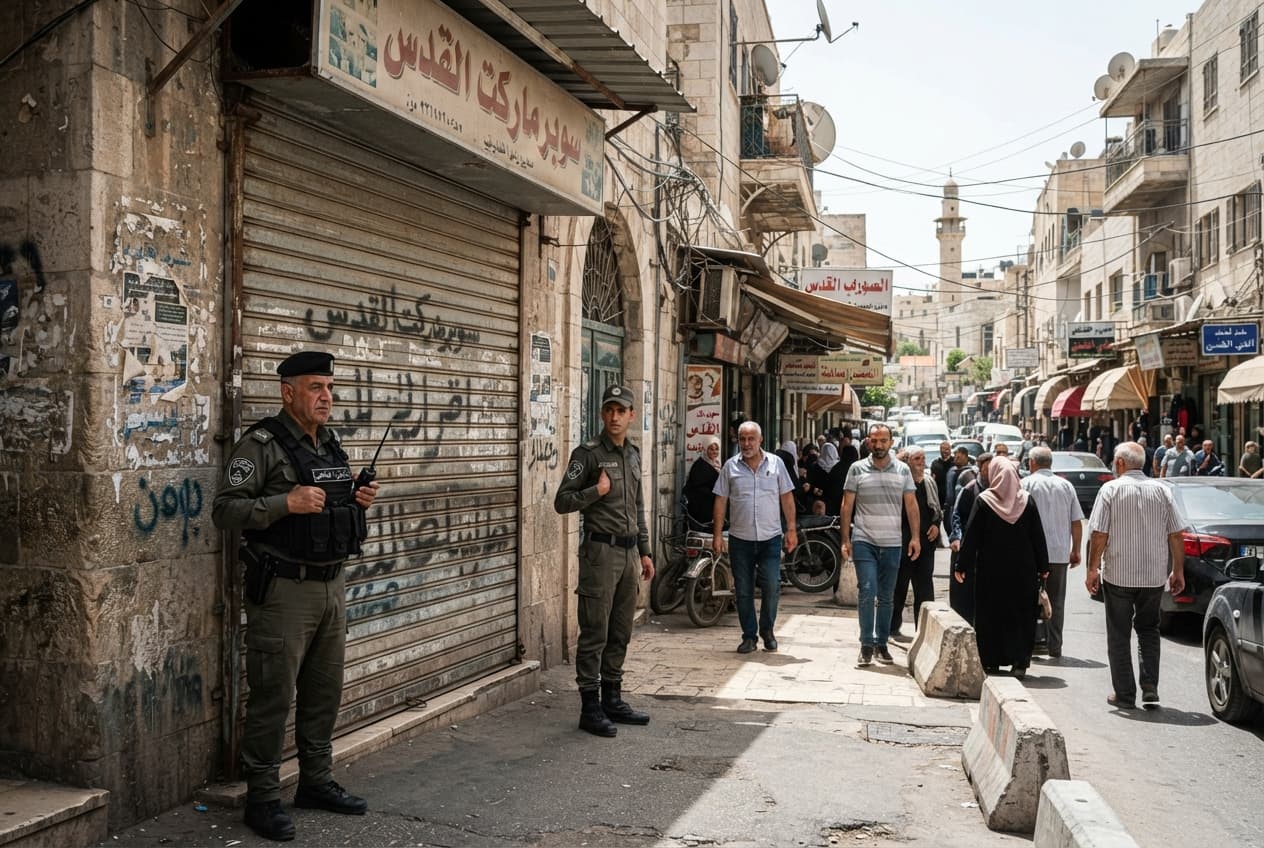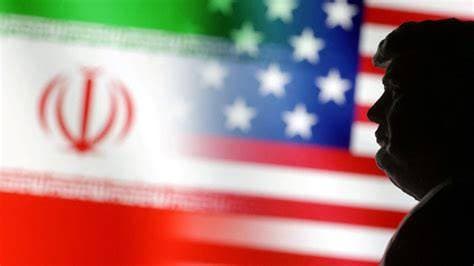
Tensions between the United States and Iran have intensified after a series of strikes attributed to both sides, threatening the stability of a recently discussed interim peace framework. The renewed violence has complicated efforts to keep negotiations on track, as political leaders in Washington and Tehran signaled that they would not absorb attacks without retaliation.
U.S. officials described the latest operations as targeted responses aimed at degrading capabilities they say pose an immediate threat, arguing that pressure is necessary to prevent escalation. Iranian officials countered that the attacks are part of a broader effort to undermine their security and negotiation position, and they warned that any further strikes would trigger a stronger and wider response.
Diplomats and regional observers say the interim agreement—intended to reduce immediate hostilities and create space for longer-term talks—now faces growing strain. Even limited strikes can reshape domestic politics on both sides, making compromise harder to sustain. Analysts note that retaliation cycles tend to accelerate quickly, particularly when each side frames its actions as defensive.
Markets and security officials in neighboring countries have also reacted warily, reflecting concern that escalation could spill into shipping routes, regional militias, or cyber and proxy operations. Humanitarian and economic pressures, already elevated by sanctions and broader instability, may increase if the agreement fails.
Behind the scenes, officials from multiple countries have reportedly urged restraint and urged each side to return to negotiation channels. Still, trust appears to be at a low point, and questions remain about verification—particularly around what constitutes compliance, whether attacks violate the spirit of the interim deal, and how quickly incidents are addressed.
With both governments signaling readiness to respond, the next steps will likely determine whether the interim peace effort survives or collapses under the pressure of sustained military escalation.
Published by Banx Network. This article is part of the Banx decentralized media programme, powered by the BXE token on the XRP Ledger.