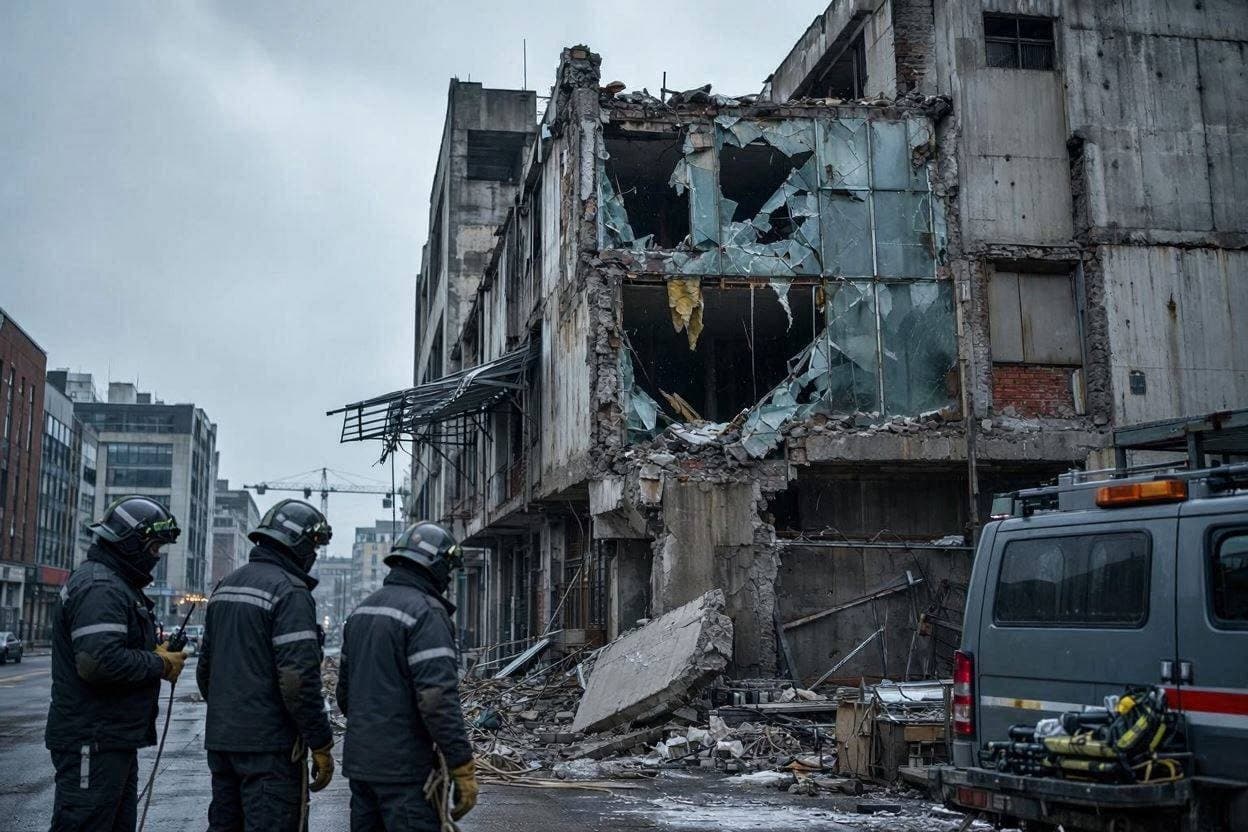
In the heart of Eastern Europe, the sky has become a canvas of conflict, marked by the trails of missiles and the echoes of explosions. Ukraine, a nation striving for sovereignty and peace, faces a relentless barrage of aerial attacks that have reached unprecedented levels. Recent weeks have seen record-breaking missile strikes targeting infrastructure, cities, and civilian areas, leaving a trail of destruction that is difficult to comprehend. The phrase "the damage is enormous" captures not just the physical devastation but the profound emotional and societal toll on a people who have endured war for years. It is a narrative of resilience amidst ruin, of survival in the face of overwhelming force.
The intensity of the recent attacks has strained Ukraine’s air defense systems and emergency services. Missiles have targeted energy facilities, residential buildings, and critical infrastructure, causing widespread power outages and disrupting daily life. The scale of the destruction requires massive resources for repair and recovery, diverting attention and funds from other essential needs. For many Ukrainians, the constant threat of attack has become a grim routine, shaping their lives in ways that are hard to imagine for those outside the conflict zone.
Civilian casualties continue to rise, adding to the human cost of the war. Each strike leaves behind stories of loss, injury, and displacement. Families are separated, homes are destroyed, and communities are fractured. The psychological impact of living under constant threat is profound, leading to increased rates of anxiety, depression, and trauma. Mental health support has become as crucial as physical medical care, yet resources are often stretched thin.
International support remains a lifeline for Ukraine, with allies providing military aid, humanitarian assistance, and diplomatic backing. However, the sheer volume of incoming missiles challenges even the most robust defense systems. The need for advanced air defense technologies, such as Patriot systems and interceptors, is urgent. Partnerships with Western nations are vital in bolstering Ukraine’s ability to protect its skies and its people.
Despite the devastation, there is a remarkable spirit of resilience among Ukrainians. Volunteers work tirelessly to clear debris, provide shelter, and support those affected. Local governments coordinate emergency responses with efficiency and dedication. This collective effort demonstrates the strength of community in times of crisis. It is a testament to the human capacity to endure and rebuild, even in the darkest of times.
The economic impact of the strikes is also significant. Damage to industrial facilities and transportation networks hampers production and trade, affecting the national economy. Reconstruction efforts will require substantial investment and international cooperation. The long-term goal is not just to restore what was lost but to build back better, with improved infrastructure and greater resilience.
Global attention remains focused on Ukraine, with ongoing discussions about peace negotiations and security guarantees. However, until a durable solution is reached, the country must continue to defend itself against daily threats. The resilience of the Ukrainian people serves as an inspiration to the world, highlighting the value of freedom and self-determination.
As Ukraine grapples with the enormous damage caused by record-breaking missile strikes, the world watches with solidarity and concern. The path to recovery is long and arduous, but the spirit of the Ukrainian people remains unbroken. In their resilience, we see the enduring hope for peace and stability.
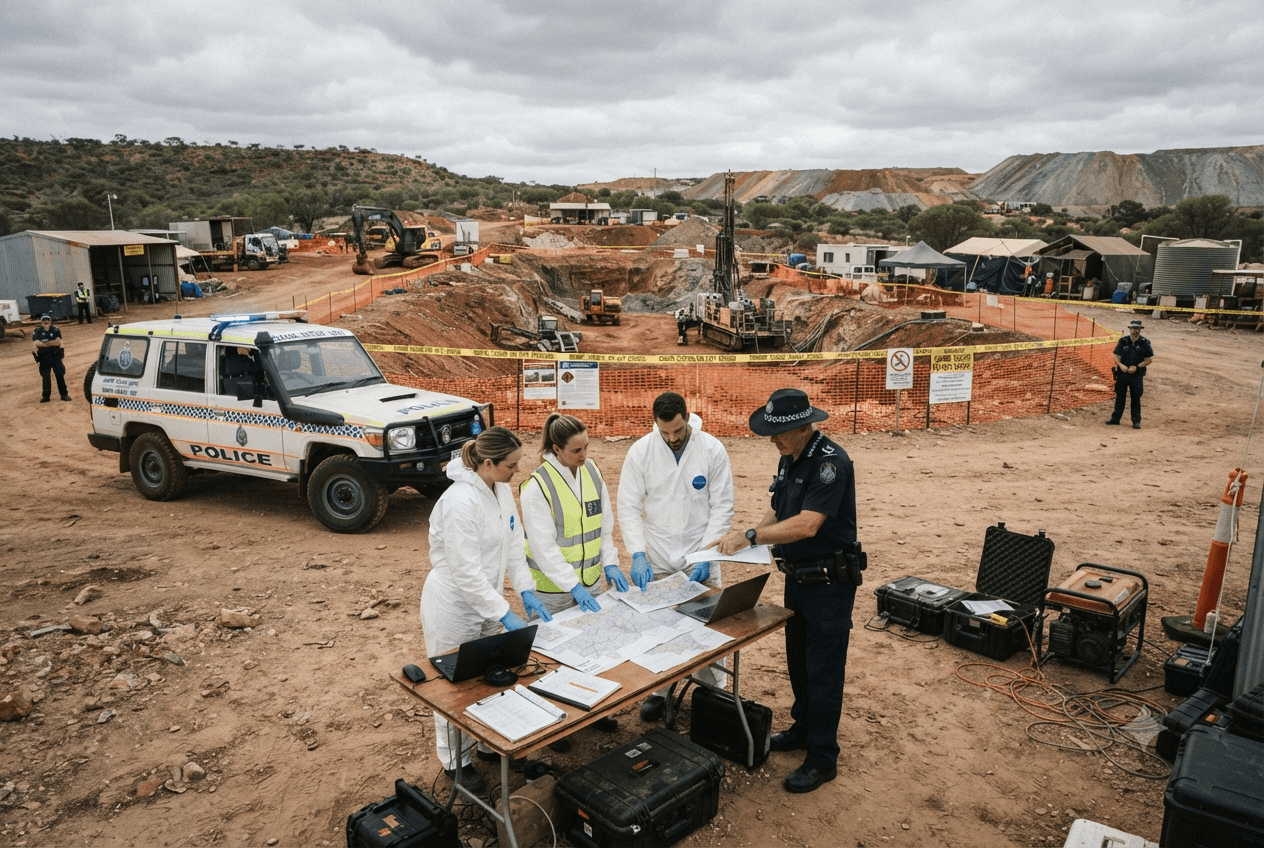
AI Image Disclaimer: The images associated with this article are AI-generated illustrations designed to represent the themes of conflict, resilience, and reconstruction.
Sources: BBC News, The Kyiv Independent, Reuters, Al Jazeera
Note: This article was published on BanxChange.com and is powered by the BXE Token on the XRP Ledger. For the latest articles and news, please visit BanxChange.com