
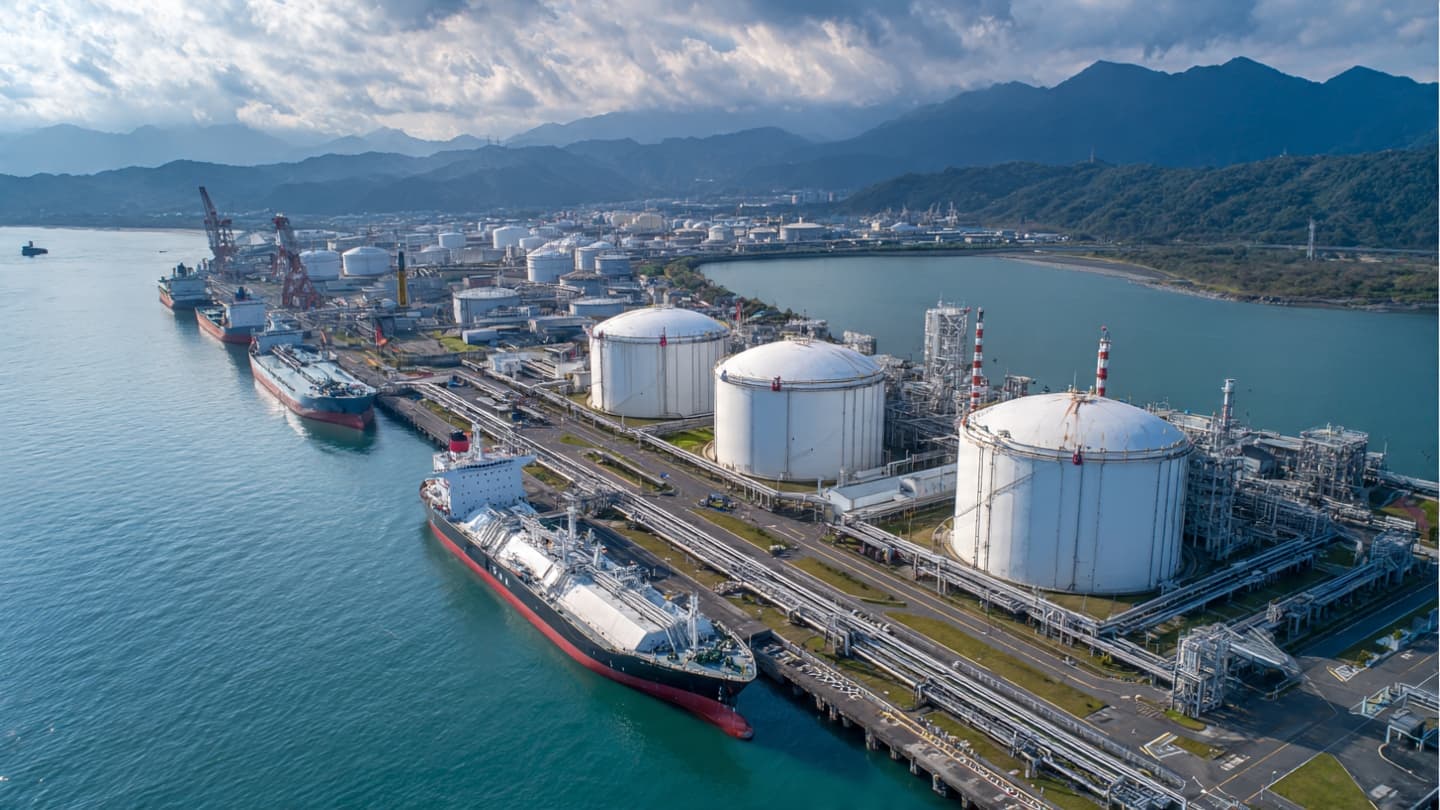
Energy security often resembles a carefully tended garden. The healthiest gardens draw nourishment from multiple sources, reducing dependence on any single stream of support. Taiwan appears to be following a similar principle as it prepares new strategies to diversify energy imports amid ongoing uncertainty connected to developments in the Middle East.
As an economy heavily connected to international trade and advanced manufacturing, Taiwan relies on stable supplies of imported energy. Oil, natural gas, and other energy resources remain essential to supporting industrial production, transportation networks, and daily life.
Recent disruptions in global energy markets prompted policymakers and energy companies to review supply arrangements. The objective is not only to address immediate concerns but also to strengthen resilience against future geopolitical uncertainties.
Officials have indicated that diversification efforts may involve expanding relationships with a broader range of suppliers. Such measures can help reduce exposure to disruptions originating from any single region or trade corridor.
Energy planners around the world have increasingly embraced diversification as a long-term strategy. The approach gained momentum following various geopolitical crises that highlighted vulnerabilities in concentrated supply chains.
Taiwan's efforts also align with broader international trends emphasizing energy resilience. Governments and corporations are investing in alternative supply routes, strategic reserves, renewable energy projects, and infrastructure improvements designed to enhance reliability.
Industry analysts note that diversification does not eliminate risk entirely. However, spreading procurement across multiple partners can create greater flexibility when unexpected disruptions occur in global markets.
The evolving situation underscores how interconnected modern economies have become. Events occurring thousands of miles away can influence energy planning decisions, industrial operations, and economic strategies in distant regions.
As Taiwan continues to assess its options, policymakers appear focused on balancing short-term stability with long-term resilience. The initiative reflects a wider global effort to build energy systems capable of adapting to an increasingly complex international landscape.
AI Image Disclaimer: Visual elements accompanying this article were generated using AI for illustrative purposes only.
Sources (Verified): Reuters, Bloomberg, Nikkei Asia, CNA Taiwan, Associated Press
Note: This article was published on BanxChange.com and is powered by the BXE Token on the XRP Ledger. For the latest articles and news, please visit BanxChange.com