
Diplomacy often moves like a river through uncertain terrain, carving new paths while carrying the weight of past decisions. In international affairs, policy adjustments can resonate far beyond official statements, particularly when they involve energy markets, geopolitical rivalries, and long-standing sanctions regimes.
Discussion surrounding potential waivers or easing of sanctions on Iranian oil has drawn significant attention among policymakers and analysts. Critics have argued that any relaxation of restrictions would constitute a major concession by the United States, while supporters contend that such measures can serve broader diplomatic or economic objectives.
The United States has maintained extensive sanctions on Iran for years, largely in response to concerns regarding Tehran's nuclear activities, regional influence, and other security-related issues. These restrictions have significantly affected Iran's ability to export oil on global markets.
Energy sanctions have long been used as a tool of economic pressure. However, administrations from both major U.S. political parties have periodically granted waivers or implemented limited exemptions in pursuit of diplomatic negotiations or to stabilize global energy supplies.
Supporters of sanctions relief often argue that flexibility can create openings for dialogue and reduce pressure on international energy markets. Opponents, meanwhile, caution that easing restrictions may weaken leverage during negotiations and provide Tehran with additional revenue.
The debate has intensified amid broader geopolitical tensions in the Middle East and fluctuating global oil prices. Energy markets remain sensitive to any changes affecting major producers, making U.S. policy decisions particularly consequential.
Foreign policy experts note that sanctions policy frequently involves balancing strategic objectives, economic considerations, and diplomatic priorities. As a result, decisions regarding Iran often generate robust debate across political and policy circles.
Any significant changes to sanctions policy would likely continue to face close scrutiny from lawmakers, international partners, and market participants as Washington weighs its broader regional objectives.
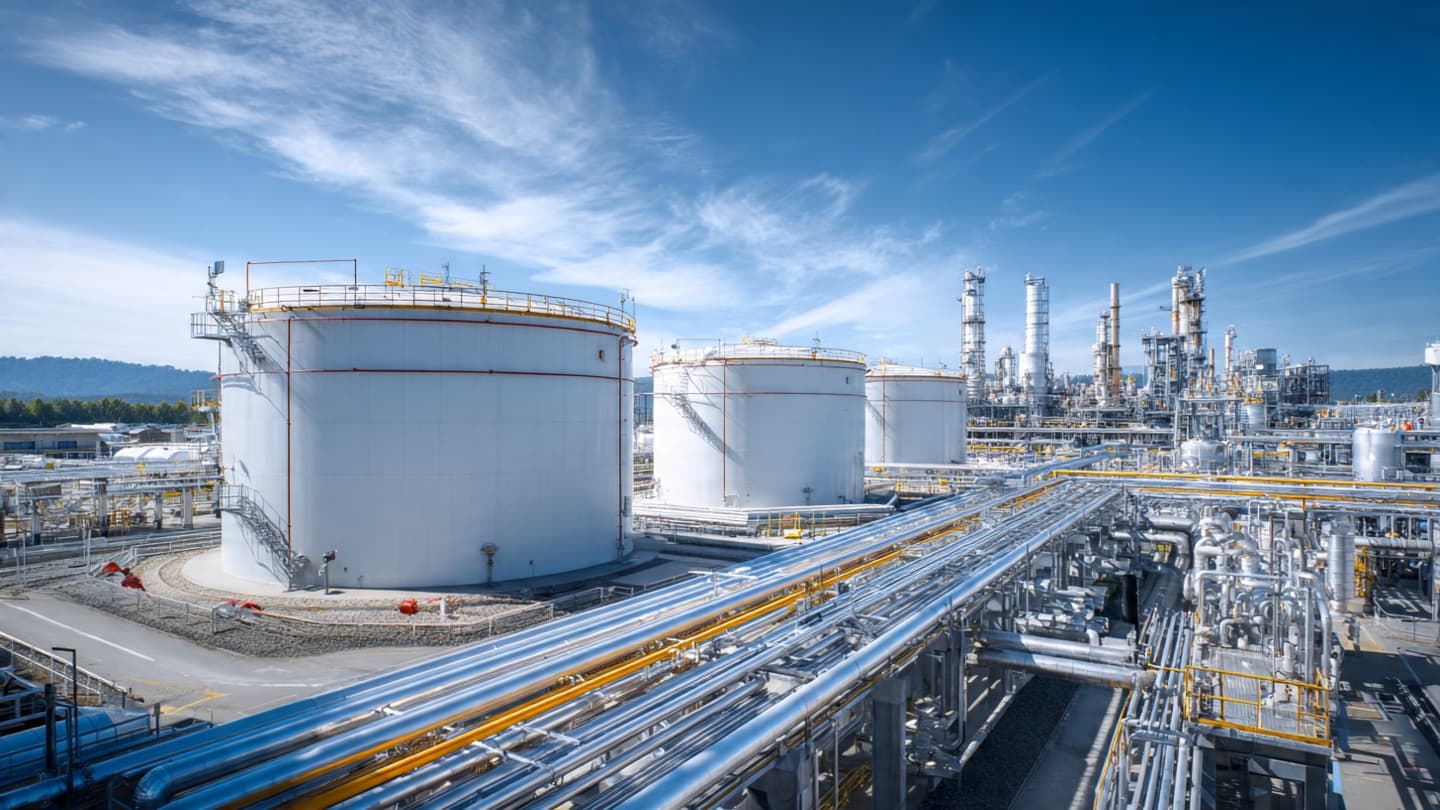
AI Image Disclaimer: Visual representations featured with this article were created using artificial intelligence for illustrative purposes.
Sources: Reuters, Associated Press, The Wall Street Journal, U.S. government statements, energy policy analyses
Note: This article was published on BanxChange.com and is powered by the BXE Token on the XRP Ledger. For the latest articles and news, please visit BanxChange.com