In the quiet neighborhoods where homes stand as silent witnesses to the passage of time, a sudden blaze can transform a structure from a shelter into a hazard. Recently, in Winnipeg’s Point Douglas community, a vacant house caught fire for the second time this summer, prompting authorities to order an emergency demolition. The decision, while drastic, underscores the delicate balance between preserving property and ensuring public safety in the face of structural instability.
The fire, which broke out on a Thursday morning, drew a swift response from the Winnipeg Fire Paramedic Service (WFPS). As crews battled the flames, they discovered that the building’s integrity had been severely compromised. The heat and damage rendered the structure unsafe to remain standing, posing a risk not only to firefighters but also to nearby residents and passersby. In such cases, the priority shifts from salvage to containment, requiring immediate action to prevent collapse.
Emergency demolitions are rare but necessary measures when a building becomes an imminent threat. The WFPS, in consultation with city engineers, determined that the cost and danger of stabilizing the home outweighed the benefits. By ordering its removal, authorities aim to eliminate the hazard and allow for the safe extinguishment of any remaining hot spots within the rubble. This approach minimizes the risk of re-ignition and further damage to the surrounding area.
For the community, the sight of a home being torn down is often jarring. Vacant properties can already be sources of concern, associated with neglect or illicit activity. When they become victims of fire, the sense of loss is compounded by the visual scar left on the streetscape. Residents have expressed mixed feelings, with some relieved that the danger is removed and others saddened by the loss of architectural history.
The incident highlights the broader challenge of managing vacant housing in urban centers. These properties require regular maintenance and security to prevent deterioration and arson. When neglected, they become liabilities that strain municipal resources and endanger neighbors. The repeated fires at this particular location suggest a pattern that demands attention from both property owners and city officials.
Firefighters faced difficult conditions during the operation, working to protect adjacent structures while managing the unstable building. Their professionalism and quick decision-making were crucial in preventing a larger disaster. The emergency demolition order was a testament to their assessment of the risk, prioritizing human safety above all else. It serves as a reminder of the unpredictable nature of their work.
As the debris is cleared, the focus shifts to the future of the lot. City planners and community groups will likely discuss how best to utilize the space, whether for new housing, green space, or other community benefits. The removal of the hazardous structure opens the door for renewal, turning a site of danger into one of potential opportunity.
In the end, the emergency demolition is a pragmatic response to a dangerous situation. It reflects the city’s commitment to safety and resilience in the face of urban decay. For Point Douglas, it is a step toward healing, removing a blight and allowing the neighborhood to move forward with confidence and care.
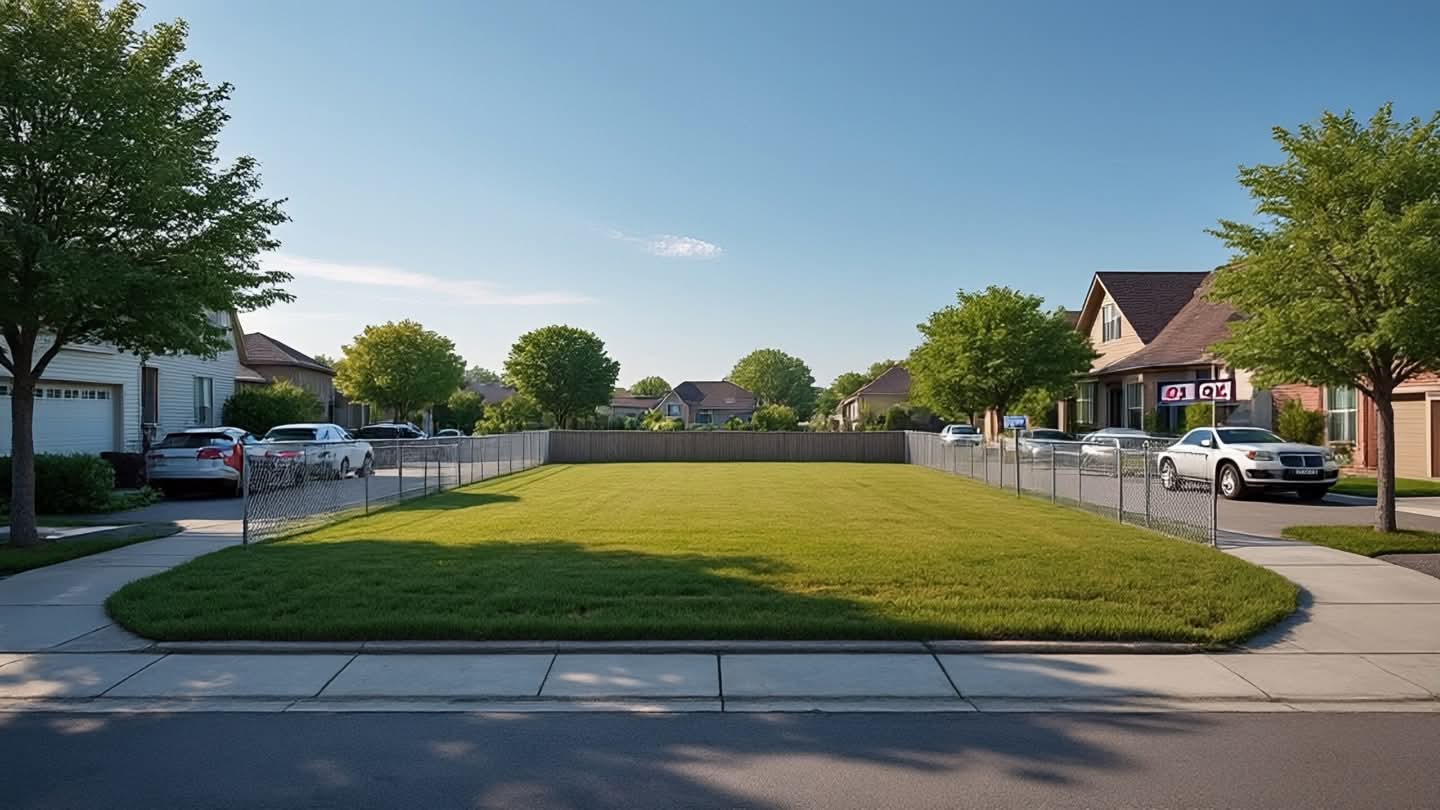
AI Image Disclaimer: The visual elements in this article are AI-generated illustrations depicting residential streets and abstract representations of structural safety, designed to reflect the themes of urban management without showing real fire scenes or specific demolished buildings.
Sources: CTV News Winnipeg, Global News, Winnipeg Free Press, CBC News Manitoba
Note: This article was published on BanxChange.com and is powered by the BXE Token on the XRP Ledger. For the latest articles and news, please visit BanxChange.com