Italy is a land of timeless beauty, where history breathes through every cobblestone and piazza. For millions of visitors, it is a dream destination, a place to savor gelato under the sun and marvel at ancient architecture. Yet, amidst this romance, there exists a set of local rules that often catch travelers off guard. Recently, a group of American tourists found themselves on the wrong side of these regulations, facing a hefty fine for a behavior considered perfectly normal back home but strictly prohibited in one of Italy’s most iconic spots.
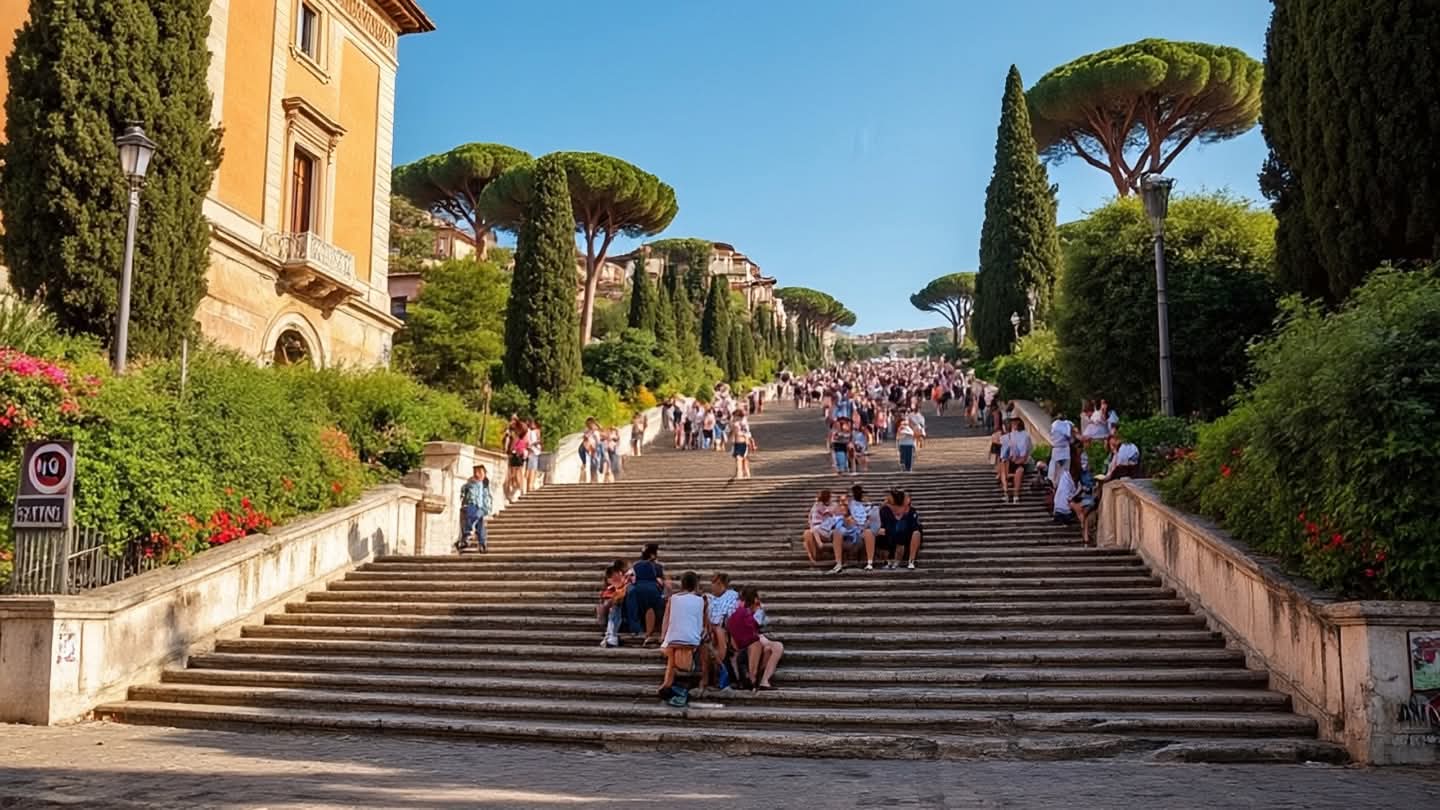
The incident occurred in Rome, near the Spanish Steps, a historic monument that has long been a gathering place for locals and tourists alike. The travelers were enjoying a casual snack, unaware that eating or drinking on the steps is explicitly banned. This rule, implemented to preserve the sanctity and cleanliness of the site, carries fines of up to €400 (approximately 430). For the tourists, the sudden intervention by local police was not just a financial hit but a moment of cultural dissonance, highlighting the gap between tourist expectations and local norms.
Such laws are not unique to Rome. Across Italy, from Venice to Florence, municipalities have enacted strict measures to protect their heritage sites from the wear and tear of mass tourism. Sitting on historic fountains, dragging suitcases over ancient stones, or even wearing swimwear in city centers can result in penalties. These regulations are often described as "obscure" by visitors, but for locals, they are essential tools for maintaining the dignity and longevity of their shared spaces.
The reaction from the tourists was reportedly one of embarrassment rather than anger. In an era of social media, where travel mishaps can quickly go viral, the incident served as a humbling reminder of the importance of cultural awareness. Many travelers now share such stories online, not to complain, but to educate others. It has become part of the modern travel narrative: learning to respect the host country’s rules as much as its landscapes.
For Italian authorities, enforcing these laws is a delicate balance. They welcome tourism, which is vital to the economy, but they must also protect their cultural treasures from degradation. The fines are not intended to punish but to deter behavior that can cause long-term damage. By holding visitors accountable, cities like Rome hope to foster a more respectful and sustainable form of tourism.
The broader conversation around overtourism has gained momentum in recent years. Cities worldwide are grappling with how to manage large influxes of visitors without compromising the quality of life for residents or the integrity of historic sites. Italy’s approach, though sometimes perceived as strict, offers a model for how regulation can coexist with hospitality. It encourages travelers to be mindful guests rather than passive consumers.
As the tourists paid their fine, they likely left with a deeper understanding of Italian culture. The experience, while costly, may have enriched their trip in unexpected ways. It reminded them that travel is not just about seeing new places but about engaging with them respectfully. In a globalized world, such moments of cross-cultural learning are invaluable.
For future visitors, the lesson is clear: do your homework. Understanding local customs and laws can prevent unpleasant surprises and enhance the travel experience. Italy remains a welcoming destination, but it asks its guests to tread lightly and respect its heritage. In doing so, travelers contribute to the preservation of the very beauty they came to admire.
AI Image Disclaimer: The visual elements in this article are AI-generated illustrations depicting Italian landmarks and abstract representations of travel rules, designed to reflect the themes of tourism and cultural respect without showing real individuals or proprietary enforcement footage.
Sources: BBC News, The New York Times, Travel + Leisure, Local Italian News Outlets
Note: This article was published on BanxChange.com and is powered by the BXE Token on the XRP Ledger. For the latest articles and news, please visit BanxChange.com