

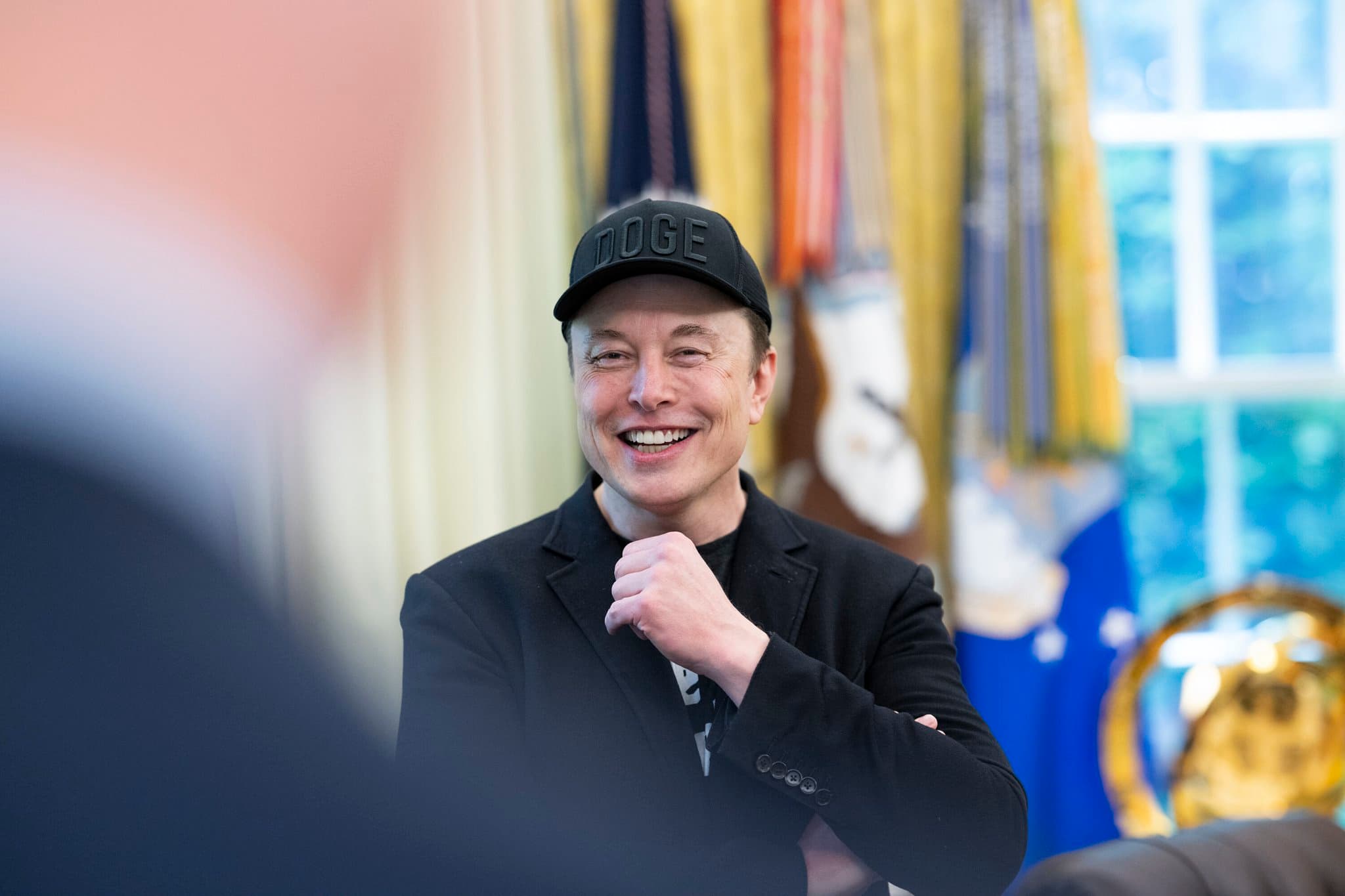
Key Highlights
- Elon Musk suggests future economies may prioritize energy over traditional money.
- He argues that technological advancements could redefine value measurement.
- Critics emphasize the importance of trust and stability in currency systems.
Elon Musk has once again ignited a conversation about the future of money and economic systems, proposing that traditional currencies may not always serve as the primary means of exchange. During a recent discussion, Musk articulated his vision that as humanity progresses through advancements in artificial intelligence, automation, and space exploration, the societal measurement of value could undergo a significant transformation.
Musk's perspective centers on the idea that energy and physical resources could become increasingly pivotal in determining economic power. He has consistently maintained that energy is a fundamental driver of civilization, as nearly every major technological advancement hinges on the efficient production, storage, and utilization of energy. This perspective challenges conventional views of currency, which typically sees money as a tool for trade, savings, and investment.
In modern economies, financial systems are built around national currencies, banking networks, and government policies. However, Musk posits that technological progress could pave the way for new systems where resources, computing power, and energy availability take precedence. This shift could redefine how societies perceive wealth and economic strength.
The rise of artificial intelligence introduces additional complexities regarding the future of work and productivity. As machines become capable of performing an increasing number of tasks, economic models may need to adapt to a reality where production is predominantly automated. Musk has previously suggested that AI and robotics could significantly enhance output, prompting a reevaluation of employment and wealth distribution.
Supporters of Musk's viewpoint argue that technological innovation could diminish the relevance of traditional financial systems. They contend that access to energy, advanced machinery, and robust computing infrastructure may emerge as key indicators of economic strength in the future. This perspective aligns with the growing interest in digital assets and alternative financial technologies, such as cryptocurrencies and blockchain networks, which have already begun to challenge established notions of value storage and transfer.
Conversely, critics caution that money encompasses more than just resources. They emphasize that currency systems are fundamentally based on trust, legal frameworks, global cooperation, and the presence of financial institutions. Even in a highly advanced technological society, a stable and reliable method of exchange would likely remain essential.
Musk's comments contribute to a broader debate about the future trajectory of civilization. As technology continues to evolve, the interplay between money, energy, automation, and economic organization is becoming increasingly critical. The question remains whether future societies will gravitate toward resource-based systems or maintain reliance on traditional currencies. Nonetheless, Musk's insights underscore the urgency of rethinking long-held beliefs about finance and value in light of rapid technological advancements.
Published by Banx Network. This article is part of the Banx decentralized media programme, powered by the BXE token on the XRP Ledger.




