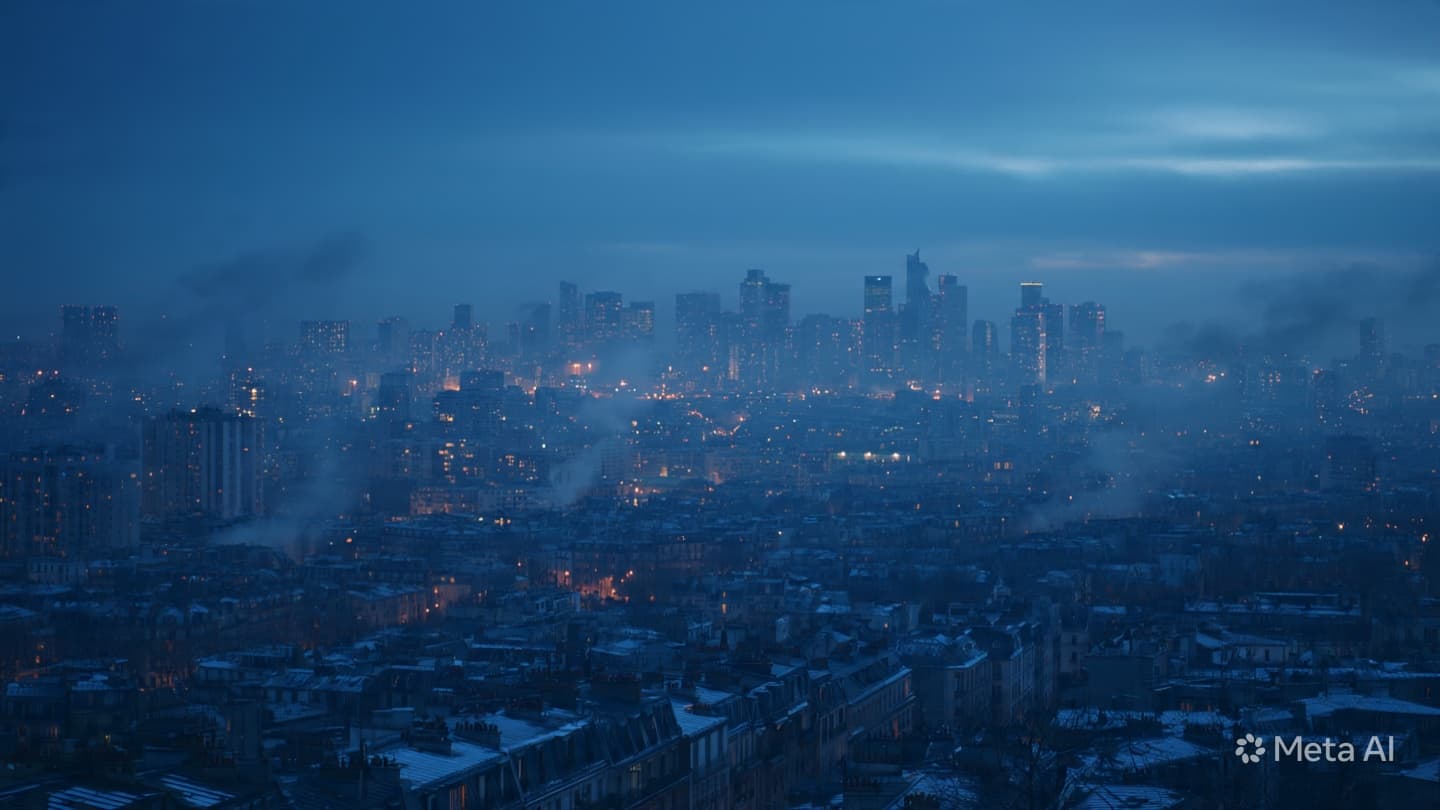
The city often breathes in a rhythm dictated by the quiet machinery of morning commutes and the slow, rhythmic pulse of evening markets, yet lately, that cadence has been violently interrupted. There is a peculiar, hollow sound that precedes the chaos—a sudden thinning of the air, as if the atmosphere itself is bracing for the impact of something unyielding. When the heavy, rhythmic stutter of automatic gunfire begins to puncture the night, it feels less like an isolated event and more like a collective exhaling of tension that has been building beneath the surface of our neighborhoods for far too long.
In these moments, the boundary between the protector and the encroached-upon seems to blur, lost in a haze of cordite and flashing emergency lights. The streets, once familiar pathways of daily life, transform into corridors of tactical maneuvering, where the sharp, abrasive noise of conflict leaves little room for the nuance of diplomacy. It is a disorienting theater where the stage is our own front yards, and the script is written in a language of escalating force that leaves residents caught in the uneasy, trembling middle ground of uncertainty.
The scale of the engagement is difficult to grasp from behind the glass of a window or the cold, distant screen of a digital feed. Thousands of shell casings litter the ground where children might have played only hours before, a metallic testament to the gravity of the skirmishes currently unfolding. Every report of casualty, whether measured in the clinical tally of figures or the more profound weight of personal loss, ripples outward, disturbing the calm of adjacent districts and turning the entire map of the capital into a site of profound, shared unease.
Observers have noted that the intensity of these operations represents a significant shift in the operational doctrine of the security forces, moving away from precision toward a more expansive, unrelenting form of pressure. The strategy seems to prioritize the total suppression of armed groups, yet the collateral cost of this approach is being etched into the very foundations of the city. Each surge of activity brings with it a fresh wave of displacement, as families abandon their homes to escape the persistent, jarring presence of the firefights.
This is not merely a matter of tactical success or failure, but a broader, more human dilemma of living in a space where safety has become an increasingly scarce commodity. The psychological toll on the population—a state of perpetual, low-level dread—is perhaps the most enduring impact, even as the immediate sounds of battle subside into the morning silence. It is in this quiet aftermath that the true nature of the city’s fragility is laid bare, exposed by the stark reality of empty streets and the lingering scent of smoke.
The administrative response has been one of resolute, if distant, commitment to restoring order through the application of overwhelming force. Official communications frame these maneuvers as a necessary, if costly, intervention to reclaim public spaces from those who have turned them into battlegrounds. Yet, the disconnect between these official justifications and the visceral experience of those trapped in the crossfire remains a haunting, unresolved tension that defines the current atmosphere.
Looking ahead, the path toward a return to normalcy appears long and obscured by the fog of ongoing instability. There is an urgent, unspoken question hanging over the urban landscape: how long can a community endure the systematic dismantling of its sense of security before the architecture of its daily life permanently alters? The echoes of the past week’s events are still reverberating in the alleyways, serving as a grim reminder that the city is currently navigating a period of profound transition.
The government has confirmed the continuation of large-scale security operations aimed at neutralizing armed militias in the capital. Local authorities report that intense engagements have occurred throughout various residential districts, resulting in significant casualties. Humanitarian agencies are currently monitoring the situation as displacement numbers rise, and there is no projected end date for the active security mandates currently in effect.
Note: This article was published on BanxChange.com and is powered by the BXE Token on the XRP Ledger. For the latest articles and news, please visit BanxChange.com