
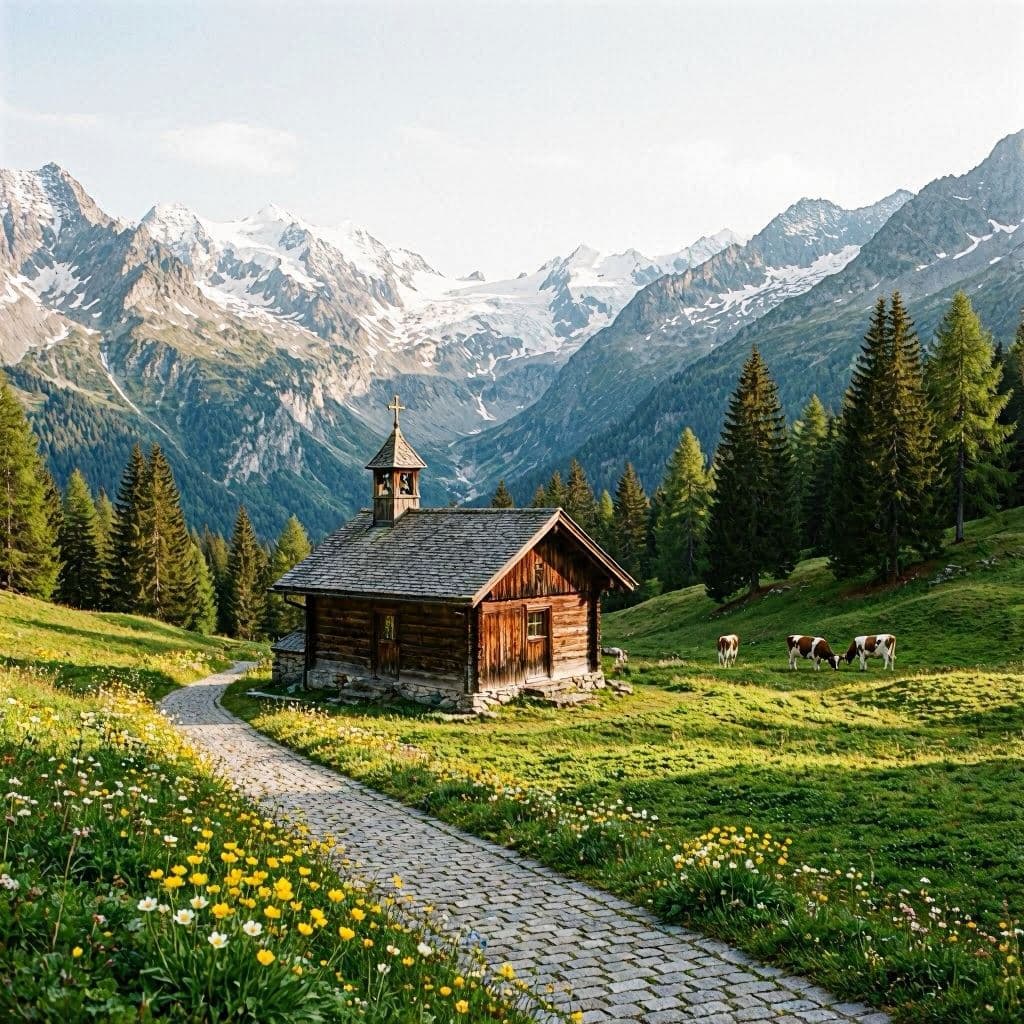
In the quiet valleys of Switzerland, where the air is crisp and the mountains stand as silent witnesses to history, a significant rift has widened within the Catholic Church. The Society of Saint Pius X (SSPX), a traditionalist group long at odds with the Vatican’s modernizing reforms, has proceeded with the consecration of four new bishops. This act, performed without the consent of Pope Leo XIV, represents a direct challenge to papal authority and raises the specter of a deeper schism in a faith community that values unity above all else.
The ceremony took place at the SSPX seminary in Écône, a site that has become synonymous with traditionalist resistance since its founding by Archbishop Marcel Lefebvre in the 1970s. For decades, the society has rejected many changes introduced by the Second Vatican Council, preferring the Latin Mass and pre-conciliar doctrines. By consecrating bishops independently, the SSPX asserts its autonomy and signals its intention to continue its mission outside the formal structures of the Roman hierarchy. It is a bold move that underscores the depth of their conviction.
Pope Leo XIV had made a final, heartfelt appeal to the society to halt the plans, urging them to "turn back" from a path that could lead to excommunication and further division. His words were gentle but firm, emphasizing the importance of communion with the See of Peter. Yet, the traditionalists viewed these pleas as insufficient to address their theological concerns. For them, the preservation of what they see as ancient truths outweighs the desire for institutional reconciliation. The consecration was thus not just a ritual but a statement of principle.
The reaction from the wider Catholic world has been one of sorrow and concern. Many faithful worry that this action will fragment the church further, creating parallel structures that compete for loyalty and resources. Bishops and theologians have expressed hope that dialogue can still resume, but the unilateral nature of the consecrations makes such talks more difficult. It is a moment of pain for those who cherish the unity of the global Catholic family.
For the members of the SSPX, however, the day was one of celebration and resolve. They view themselves as guardians of a sacred tradition that has been neglected or diluted. The new bishops are seen as essential leaders who will ensure the survival of their specific spiritual heritage. To them, obedience to conscience and tradition is a higher form of fidelity than administrative compliance. This perspective, while controversial, is deeply held and sincerely believed.
The legal and canonical implications are complex. Under church law, consecrating bishops without papal mandate is a grave offense that typically results in automatic excommunication. However, the SSPX has long operated in a gray area, arguing that their situation is exceptional due to perceived crises in the church. Whether Pope Leo XIV will formally declare the excommunications remains to be seen, but the breach is now undeniable. The Vatican must decide how to respond to this open defiance.
This event also highlights the broader tension between tradition and modernity in religious life. As societies change, religious institutions often struggle to balance continuity with adaptation. The SSPX’s stance resonates with some Catholics who feel alienated by recent reforms, while others see it as a refusal to engage with the contemporary world. It is a debate that extends beyond theology into questions of identity and community.
In the end, the consecrations in Écône are a poignant reminder of the challenges of maintaining unity in diversity. They invite reflection on the nature of authority, tradition, and conscience. As the dust settles, the hope remains that bridges can be rebuilt, even if the path forward is uncertain. The church, like the mountains surrounding Écône, endures, but its landscape has shifted once again.
AI Image Disclaimer: The visual representations included in this article are generated by artificial intelligence to illustrate thematic concepts and do not depict actual photographs of the consecration ceremony or specific individuals.
Sources: Associated Press Religion News Service Catholic News Agency The Guardian BBC News
Note: This article was published on BanxChange.com and is powered by the BXE Token on the XRP Ledger. For the latest articles and news, please visit BanxChange.com