The history of our planet is written in layers of stone, each stratum holding the silent testimony of life that once thrived and then vanished. Among these chapters, none is more profound than the Permian-Triassic extinction event, known as the "Great Dying," which wiped out nearly 90 percent of all species 252 million years ago. For decades, scientists have debated the precise mechanisms that turned a vibrant world into a barren wasteland. Now, new research suggests that the collapse of tropical forests was the primary driver of prolonged global warming, offering a sobering parallel to our current climate crisis. This discovery is not just an academic victory; it is a cautionary tale, inviting reflection on the fragility of ecosystems and the long-lasting consequences of environmental tipping points.
Body: The study, published in recent scientific journals, utilizes a vast trove of fossil evidence to reconstruct the events following the initial volcanic eruptions in Siberia. While volcanism triggered the crisis, the researchers found that the destruction of tropical rainforests prevented the planet from recovering. These forests acted as crucial carbon sinks, and their loss released massive amounts of stored carbon back into the atmosphere, locking Earth into a hothouse state for five million years. It was a feedback loop of devastating efficiency.
For modern readers, the implications are stark. Today, we face similar threats as deforestation and climate change weaken our own tropical ecosystems. The Amazon and other rainforests are vital regulators of global temperature, and their degradation could trigger similar irreversible changes. The Great Dying serves as a historical mirror, showing us what happens when natural buffers are removed. It underscores the importance of preserving these critical habitats not just for biodiversity, but for planetary stability.
The research highlights the concept of "tipping points," where small changes can lead to large, uncontrollable shifts. Once the tropical forests collapsed, the climate system moved into a new equilibrium that was hostile to most complex life. Recovery was slow and difficult, taking millions of years for ecosystems to rebuild. This timeline challenges the human perception of time, reminding us that geological processes operate on scales far beyond our lifetimes.
Scientists used advanced modeling techniques to simulate the carbon cycle during the Permian period. By comparing these models with fossil data, they were able to pinpoint the role of vegetation in regulating atmospheric carbon. The findings suggest that biological systems are integral to climate stability, not just passive victims of change. This insight reshapes our understanding of Earth’s history and its future trajectory.
The emotional weight of this discovery is significant. Knowing that such a catastrophe occurred naturally does not diminish the urgency of our current situation; rather, it amplifies it. We are now the agents of change, with the power to either protect or destroy the systems that sustain us. The lesson from the Great Dying is clear: once certain thresholds are crossed, the path back is long and arduous.
Public awareness of these deep-time parallels is growing. Educators and communicators are using the story of the Great Dying to illustrate the stakes of modern climate action. It provides a tangible example of what is at risk, moving the conversation from abstract numbers to concrete historical precedents. This narrative power can inspire greater commitment to sustainability and conservation.
As we look to the future, the focus must shift to prevention. Protecting remaining forests, reducing emissions, and restoring degraded lands are essential steps to avoid repeating the past. The science is clear, and the history is written. It is up to us to choose a different ending.
Closing: In the end, solving the mystery of the Great Dying offers both clarity and warning. It reveals the delicate balance that sustains life on Earth and the catastrophic consequences of disrupting it. As we navigate our own climate challenges, the hope is that we will learn from the past to secure a more resilient future.
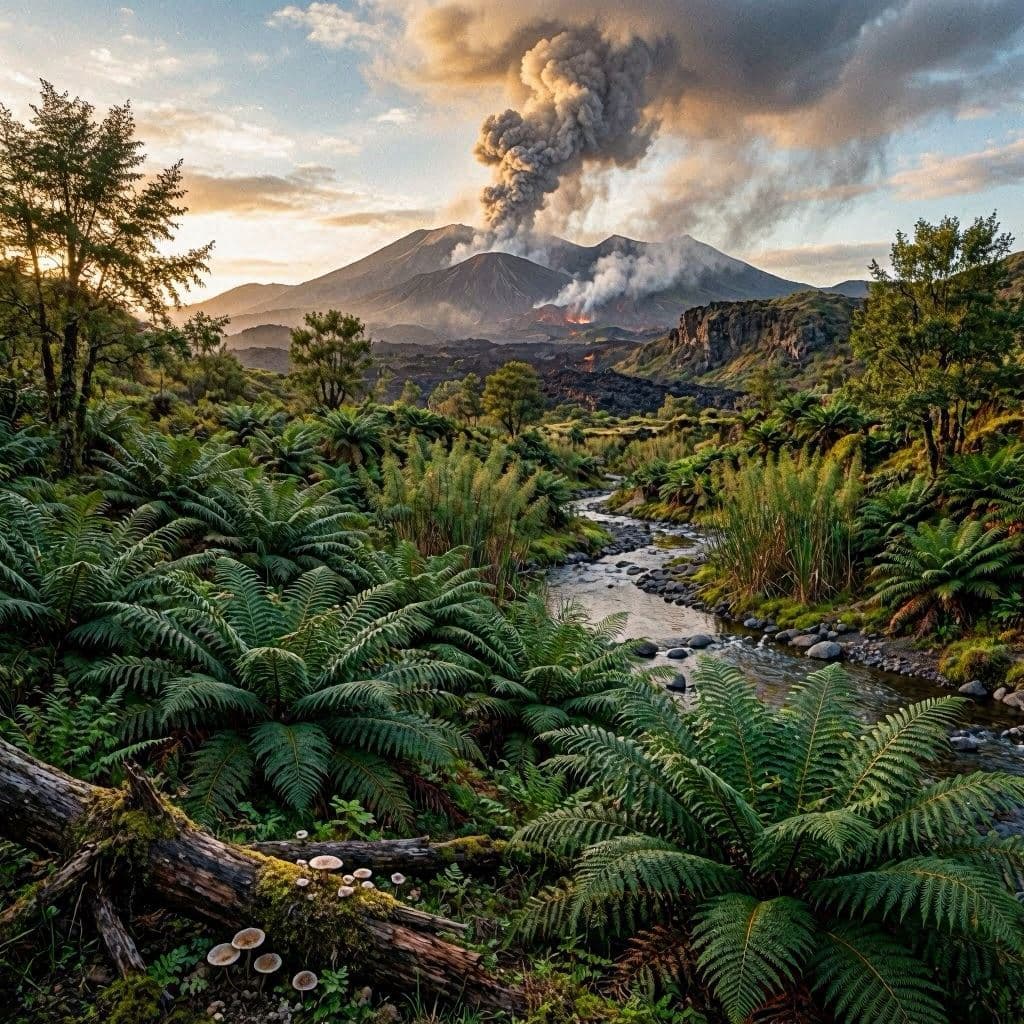
AI Image Disclaimer: Please note that any accompanying visuals for this narrative are artificially generated interpretations meant to evoke the spirit of the story, not documentary evidence.
Sources: CNN Phys.org EurekAlert
Published by Banx Network. This article is part of the Banx decentralized media programme, powered by the BXE token on the XRP Ledger.