
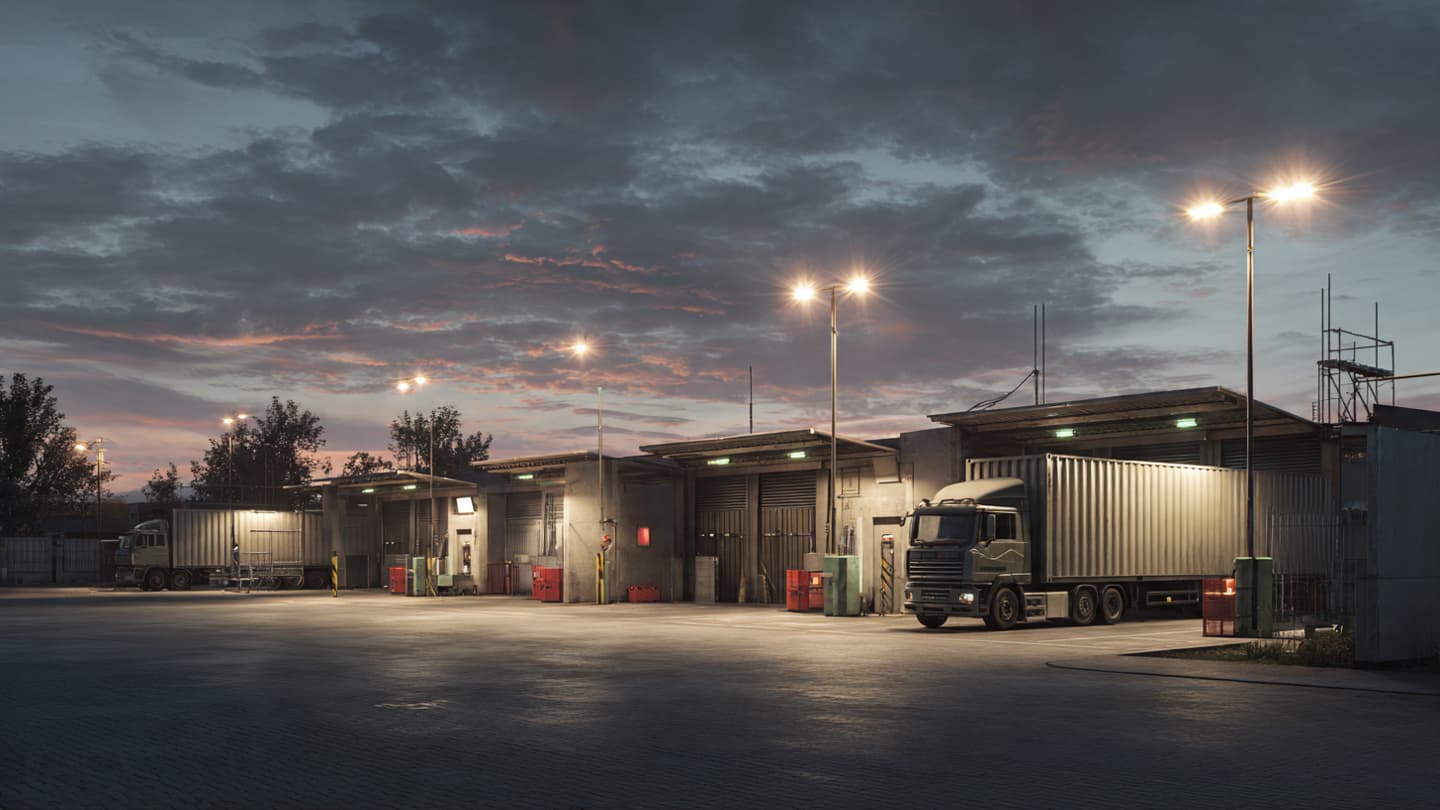
In a globalized world, the economic pulses of distant seaports have a way of reverberating across deep oceans and inland landmasses alike. For Rwanda, nestled elegantly within the mountain ecosystems of East Africa, the physical distance from major oceanic shipping lanes represents a permanent logistical narrative. The flow of everyday commodities into the country requires a complex journey through regional transit corridors, crossing multiple borders before reaching local consumers. Recently, this delicate supply line has experienced a quiet but persistent strain, driven by escalating international shipping fees and volatile global energy markets. The National Bank of Rwanda’s Monetary Policy Committee highlighted these external pressures in its recent economic reviews, tracing their path into domestic pricing structures. When global container rates spike, the added cost is inevitably woven into the final value of imported raw materials and finished goods. This phenomenon illustrates the vulnerability of landlocked economies to structural disruptions occurring thousands of miles away from their sovereign borders. A delay in a distant maritime strait or a price shift at a major fuel terminal ripples through the transport networks, raising the cost of overland trucking. For local businesses in Kigali, these external factors demand a continuous, careful recalibration of inventory levels and operational overhead. The physical reality of transport in East Africa involves long journeys along the Northern and Central Corridors, connecting Rwanda to the ports of Mombasa and Dar es Salaam. Fuel price fluctuations act as a direct tax on this transit, impacting everything from industrial machinery components to essential consumer goods. Despite these headwinds, Rwandan enterprises have shown a remarkable capacity to maintain basic supply continuity through strategic planning. Financial analysts note that addressing import-driven inflation requires a gentle, multifaceted approach that balances immediate market adjustments with long-term structural changes. The government’s broader strategy emphasizes reducing reliance on external inputs by fostering domestic manufacturing and regional trade partnerships. This shift toward self-reliance is a gradual process, requiring patience and sustained capital commitment from both public and private sectors. For the average consumer visiting the urban markets, these international economic dynamics materialize as subtle increases in the price of imported goods. The conversation among small traders often centers on the challenges of predicting wholesale costs, which fluctuate based on international logistics trends. This ambient economic pressure requires families to budget with an increased degree of caution and selectivity. As evening settles over the commercial districts of Kigali, transport trucks continue to arrive at logistics hubs, their journeys completing a vast chain of global connections. The resilience of the domestic market depends on the efficiency of these distribution nodes and the adaptability of the financial frameworks that support them. The central bank remains watchful, analyzing global indicators to shield the domestic economy from severe external shocks. The current economic status is one of careful navigation, with Rwanda balancing robust internal growth against the unpredictable currents of international trade. By strengthening regional logistics infrastructure and upgrading border processing facilities, the nation aims to soften the impact of future global supply disruptions. The journey continues along the overland corridors, a quiet testament to the enduring necessity of exchange.
Note: This article was published on BanxChange.com and is powered by the BXE Token on the XRP Ledger. For the latest articles and news, please visit BanxChange.com