The news from Veracruz often carries the complicated texture of a region defined by beauty, commerce, and persistent conflict. On an otherwise ordinary Thursday morning, this landscape was marked by a profound, jarring rupture. In a residential section of the sprawling port city, the atmosphere shifted irrevocably. The ordinary sounds of the morning—perhaps traffic, perhaps neighbors—were momentarily overwritten, replaced by the definitive, violent punctuation of a targeted act. When the activity ceased, the silence that fell over the area felt heavy, a physical manifestation of a voice that had been abruptly and deliberately silenced.
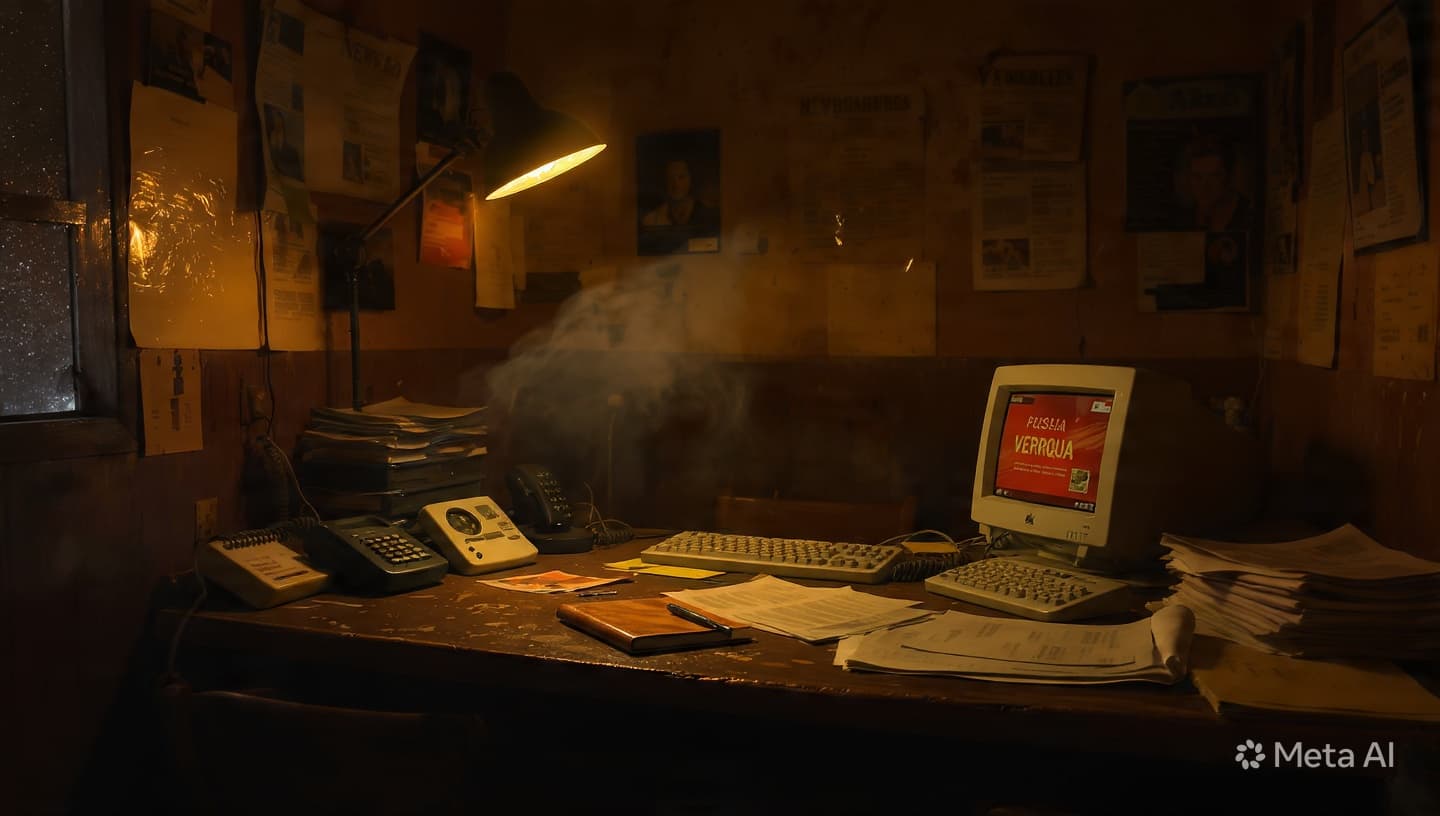
The victim was Victor Manuel Jiménez Campos, a veteran reporter and the director of an online news platform, Rotativo Digital. At 53, his life was not merely defined by his age or his profession, but by his dedicated pursuit of the stories that shape his community, often focusing on the sensitive area of police and criminal activity. He was navigating the threshold where information meets resistance, a position that requires sustained commitment and a clear understanding of the risks. This was the geography of his career, and it was on this familiar turf that his life was violently concluded.
His homicide, coming less than a week after another journalist was abducted in the same region, is part of a pattern that defines the reality for many in the Mexican media landscape. The targeting of journalists is not merely an attack on an individual; it is a calculated attempt to manipulate the informational flow and enforce silence through intimidation. Each such loss represents a fracture in the public's ability to see and understand the forces operating around them. It is a recurring, deeply human tragedy that forces us to look beyond the clinical reports and consider the profound price sometimes extracted for the simple act of bearing witness.
The immediate details of the attack—the interception, the discharge of a weapon, the swift departure of the assailant—were processed with the somber detachment that unfortunately characterizes the aftermath of such events. The air remained heavy, not just with the humidity of the Gulf, but with the collective weight of a community and a profession trying to reconcile the violence that had once again intruded upon their familiar ground. The street where he fell, temporarily cordoned off, became a tragic testament to a commitment that defied the quiet narrative of safe journalism.
Veracruz, a place of vibrant culture and historic significance, has increasingly become defined by these acts of suppression. The pattern is cyclical, yet each iteration brings its own unique measure of sorrow and reflection. The international press freedom organizations, such as Reporters Without Borders (RSF) and the Committee to Protect Journalists (CPJ), have repeatedly voiced alarm, documenting the persistent risks that define journalism in the state and the country, noting that Mexico consistently remains one of the most dangerous places for journalists outside active war zones.
As the day waned, the immediate shock began to settle into a deeper, more resonant reflection. The response from local authorities, led by Governor Cuitláhuac García, standardly involved the initiation of investigative protocols and pledges of justice. While these official steps are necessary and follow the prescribed routine, they fail to truly capture the emotional and professional atmosphere that lingers after such a loss. The void left by his absence is felt not only by his colleagues in a small digital newsroom but by a city now grappling with the sudden finality of his departure.
The targeting of Victor Jiménez Campos is a reminder that the work of journalism is often conducted at a significant and deeply personal cost. We observe the process from a distance, recognizing the importance of procedure while remaining acutely aware of the human reality that necessitates such scrutiny. The pattern of violence in Veracruz is not an abstraction; it is a lived reality for those who navigate its streets, particularly those tasked with revealing the quiet, sometimes inconvenient truths.
Ultimately, the event serves as a somber waypoint in the history of journalism in Mexico. We are left to process the details—the timing, the location, the specific platform he led—but the broader, human resonance of the day is perhaps the more enduring legacy. It is a quiet meditation on the weight of words and the profound, sometimes fatal, consequences of commitment. For now, we reflect on the quiet strength that was Victor Manuel Jiménez Campos, and the silence he left behind.
Published by Banx Network. This article is part of the Banx decentralized media programme, powered by the BXE token on the XRP Ledger.