
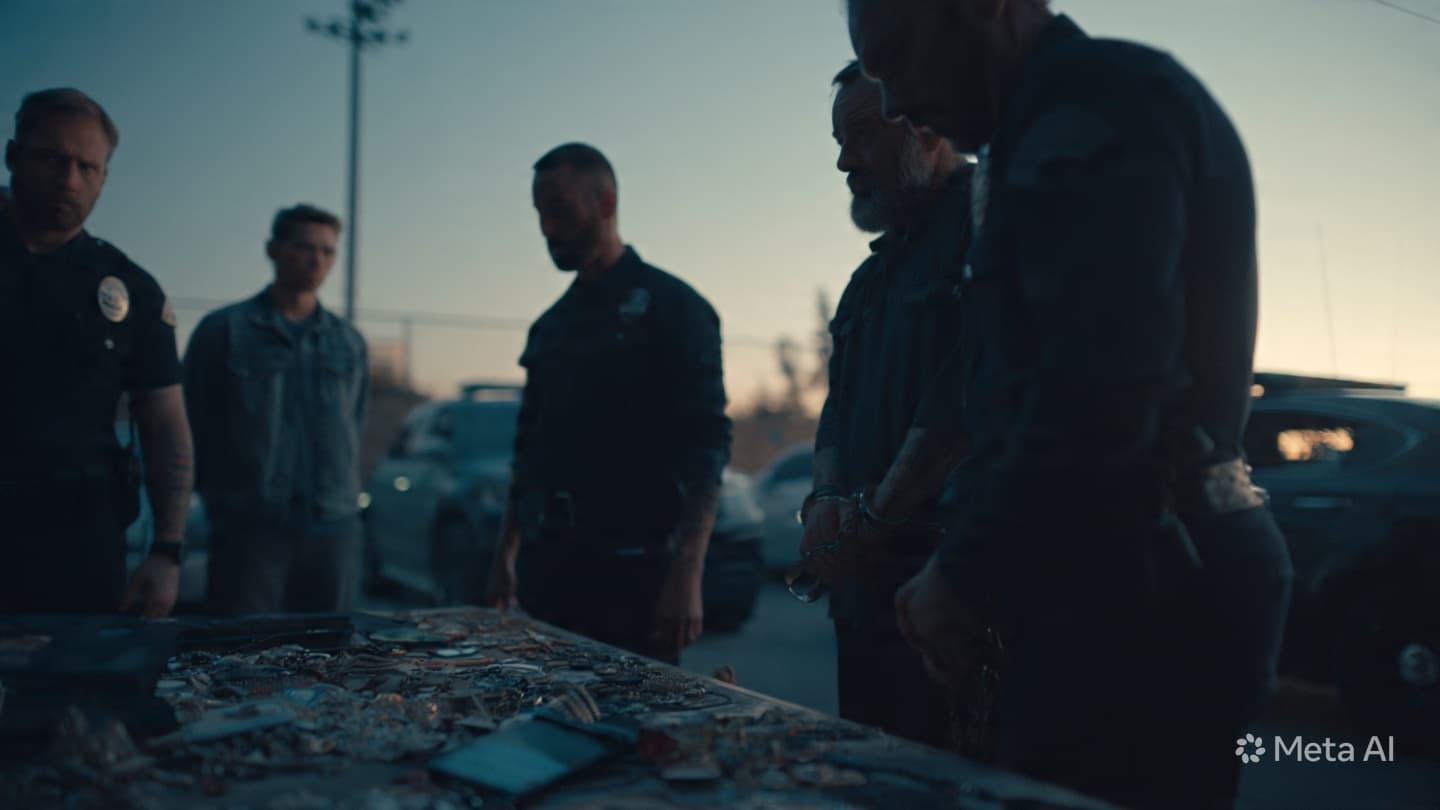
In the quiet neighborhood of Goodwill Garden, the sudden intrusion of an armed gang serves as a disruption to the steady, lived-in peace of the community. When doors are breached and personal belongings are seized, the sense of security that families take for granted is momentarily shattered. In Miri, the recent incident involving a group of nine suspects provided a stark moment of vulnerability, yet it was followed by a response that moved with remarkable, almost rhythmic speed.
The investigation began not with hesitation, but with an immediate, focused motion. Within twenty-four hours of the report, the Miri District Police had already apprehended five of the suspected perpetrators, initiating a process of clearing the community of the threat that had descended upon it. It is a reflection of the effectiveness of local investigative intelligence, where a clear account from a victim can be rapidly translated into the mobilization of personnel and the eventual containment of a criminal group.
The arrests of the remaining four suspects in the following days completed the circle, bringing an end to the immediate danger posed by the gang. For a neighborhood like Batu Niah, the news of these arrests serves as a restorative force, helping to heal the sense of unease that lingered after the robbery. It is an acknowledgment that while the crime was a violation, the state’s capacity to react is a source of tangible, present-day protection.
These incidents, while localized, speak to the broader issue of organized property crime that occasionally surfaces in our towns and cities. The use of drugs, as indicated by the screening results of the suspects, adds a layer of concern to the profile of such gangs. It suggests that these acts are often driven by desperation and instability, complicating the task of local authorities who must navigate the fine line between enforcement and the underlying social issues that fuel such behavior.
The recovery of stolen items—mobile phones, tablets, and gold rings—is a small but significant part of the healing process. These items are more than just monetary assets; they are pieces of a personal history, and their return allows the victim to begin the process of moving past the trauma of the encounter. It is in these details that the impact of the police work is truly felt, providing a sense of completion that rarely comes from just the act of arrest alone.
Looking back at this episode, one is struck by the coordination required to manage such an operation. From the initial report to the final follow-up arrests, every step required a steady, experienced hand. It is a reminder that the work of keeping our neighborhoods safe is an ongoing, daily pursuit, one that relies on the dedication of officers who must be ready at any moment to shift from the routine to the critical.
This Miri case also invites a broader reflection on the nature of community vigilance. When citizens are willing to share information and authorities are prepared to act with such dispatch, the potential for criminal syndicates to establish a foothold is greatly diminished. It is a partnership of awareness and response that serves as the most effective barrier against the intrusions that threaten our daily peace.
Ultimately, the resolution of this robbery stands as a case study in effective local enforcement. The swiftness of the arrests did not just deliver justice; it affirmed the sanctity of the home and the commitment of the authorities to defend it. As Miri continues to grow and evolve, the lessons learned from this incident—of rapid reporting, coordinated response, and a refusal to let the crime define the community—will remain foundational to its ongoing stability and security.
Note: This article was published on BanxChange.com and is powered by the BXE Token on the XRP Ledger. For the latest articles and news, please visit BanxChange.com