Rivers have long been the arteries of civilization, carrying not just water but the stories of those who lived along their banks. In Europe, where history is layered deep in the soil, the recent severe drought has caused water levels in major rivers like the Danube and the Rhine to plummet to record lows. As the waters recede, they expose a hidden archive of the past, bringing to light artifacts and structures that have rested beneath the surface for centuries. It is a phenomenon that blends environmental crisis with archaeological wonder, reminding us that nature holds its secrets tightly until the moment it chooses to reveal them.
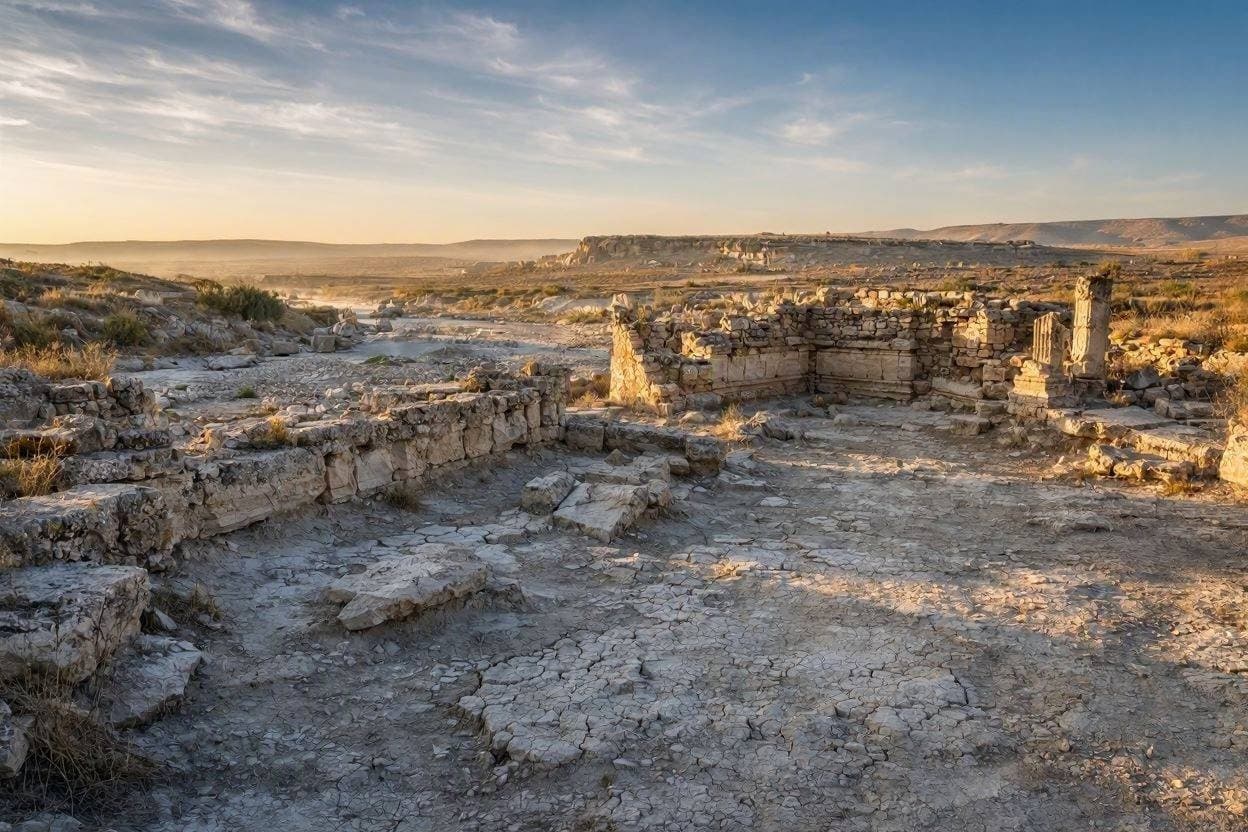
The drop in water levels has unveiled a variety of historical remnants, from ancient Roman bridges to World War II shipwrecks. In Bulgaria, a Roman-era bridge near Vidin has emerged from the mud, offering archaeologists a rare opportunity to study its construction and condition. Similarly, in Germany and Serbia, the skeletal remains of Nazi warships and other vessels lost during conflicts have become visible, providing tangible links to turbulent periods in European history. These discoveries are not just curiosities; they are pieces of a puzzle that help historians understand the past with greater clarity.
However, the revelation of these secrets comes at a significant cost. The drying rivers are a stark indicator of climate change, with prolonged heatwaves and lack of rainfall disrupting ecosystems and human activities. Shipping traffic on the Rhine and Danube has been severely impacted, causing economic losses for industries that rely on these waterways for transport. Energy production, particularly hydroelectric power, has also suffered, highlighting the vulnerability of modern infrastructure to changing weather patterns.
For local communities, the low water levels pose immediate challenges. Villages in Romania and other regions face water rationing, affecting agriculture and daily life. Farmers struggle to irrigate crops, threatening food security in areas that are vital for Europe’s supply of grains and vegetables. The crisis underscores the urgent need for sustainable water management and adaptation strategies to cope with a warmer, drier future.
Archaeologists and historians are racing against time to document and preserve the exposed artifacts before the waters rise again or erosion takes its toll. Each discovery adds depth to our understanding of European heritage, from prehistoric tools to medieval structures. The process is meticulous, requiring careful excavation and analysis to ensure that these treasures are protected for future generations.
The dual nature of this event—both a disaster and a discovery—invites reflection on our relationship with the environment. While we mourn the loss of water and the disruption it causes, we are also granted a glimpse into history that would otherwise remain hidden. It is a reminder that every change in nature has consequences, some beneficial, others devastating.
The drying of Europe’s rivers is a complex narrative of loss and revelation. As climate change continues to reshape the landscape, the exposure of historical artifacts serves as a poignant reminder of the passage of time. The hope is that by learning from the past, we can better prepare for the challenges of the future, ensuring both the preservation of heritage and the sustainability of our natural resources.
AI Image Disclaimer: The visual elements accompanying this report are AI-generated interpretations designed to reflect the environmental and historical context of the story.
Sources: The Guardian CNN Smithsonian Magazine
Note: This article was published on BanxChange.com and is powered by the BXE Token on the XRP Ledger. For the latest articles and news, please visit BanxChange.com
.jpg&w=3840&q=75 "Siren Blunder Wakes Residents in Eastern Poland During “Silent” Alarm Test")