Kinshasa, DR Congo—The ongoing Ebola outbreak in the eastern provinces of the Democratic Republic of the Congo has entered a dangerous phase. Health officials confirm that mortality rates are trending upward as the virus spreads deeper into densely populated areas. The crisis remains concentrated in Ituri, North Kivu, and South Kivu, where existing infrastructure is failing to keep pace with the surge.
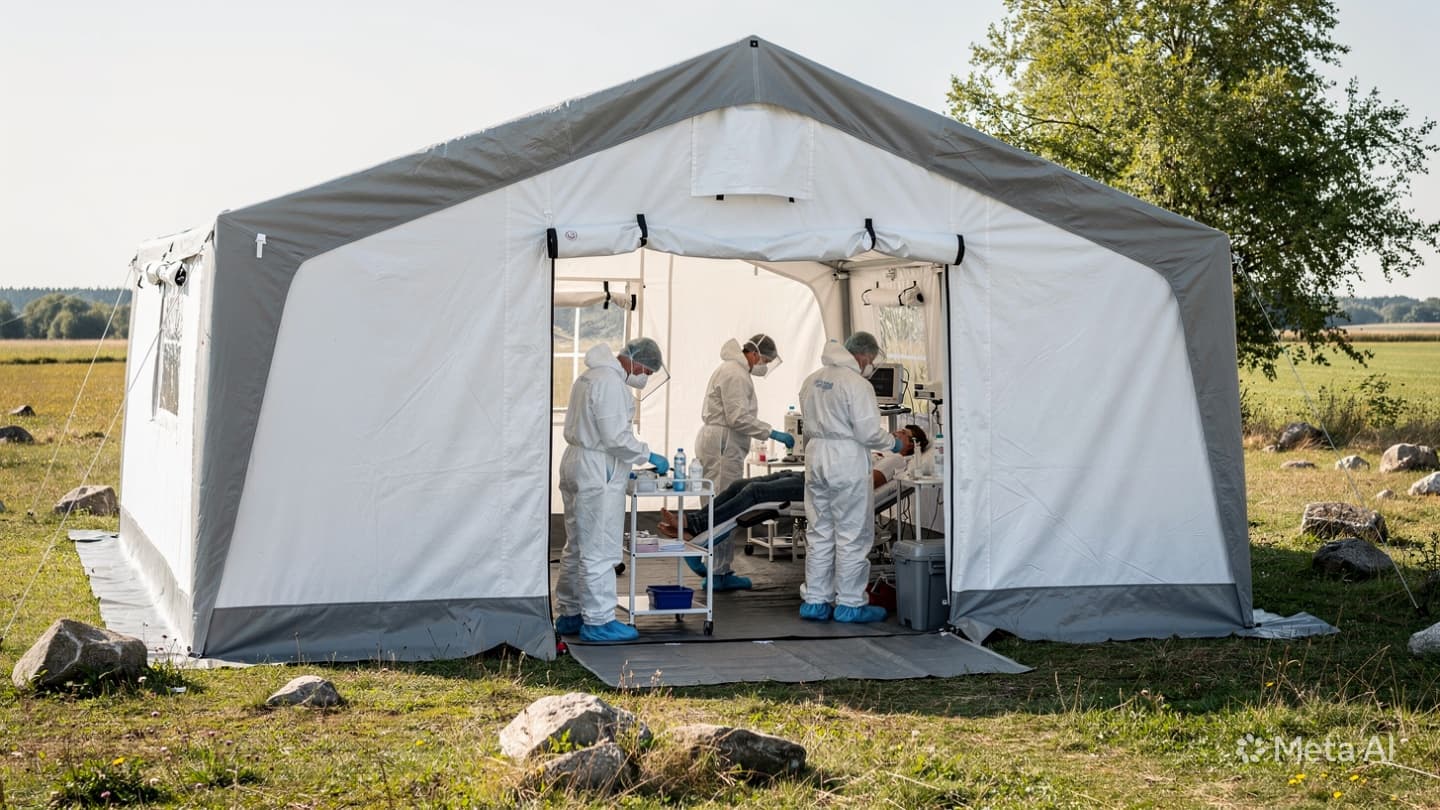
The nature of this specific strain, the Bundibugyo virus, complicates the regional response. Without established vaccines or specific medical protocols, field teams are relying on supportive care. Many patients arrive at treatment centers in advanced stages, making effective intervention difficult for exhausted healthcare staff.
Insecurity remains a constant friction point for humanitarian operations. Dozens of armed groups operate in the affected territories, frequently blocking supply lines and preventing medical personnel from reaching remote villages. These obstacles have effectively stalled contact tracing efforts in several high-risk zones.
Government laboratories in Kinshasa are processing blood samples at maximum capacity. Despite these efforts, the lag time between patient presentation and confirmed diagnosis persists. This delay allows the virus to circulate undetected in local communities for days, turning routine social interactions into potential exposure events.
International aid partners are scaling up support, but logistical hurdles continue to hamper the delivery of essential supplies. Warehouse stocks of personal protective gear and intravenous fluids are critically low in regional hubs. The current rate of transmission is outpacing the arrival of international reinforcements.
Public mistrust in government health authorities acts as a silent, persistent barrier to containment. In many rural sectors, families choose to keep symptomatic relatives at home rather than seeking professional medical help. This practice leads to unmonitored deaths and increases the risk of secondary infections within households.
Field coordinators describe the situation as a fight against time. Anthropologists and community leaders are being deployed to negotiate safe burial practices and improve adherence to isolation protocols. These social interventions are arguably as vital as medical treatment in breaking the chain of transmission.
The government continues to call for sustained financial and logistical support from the international community. Without a drastic shift in the trajectory of the outbreak, projections indicate the number of casualties will rise significantly before the end of the year.
Published by Banx Network. This article is part of the Banx decentralized media programme, powered by the BXE token on the XRP Ledger.