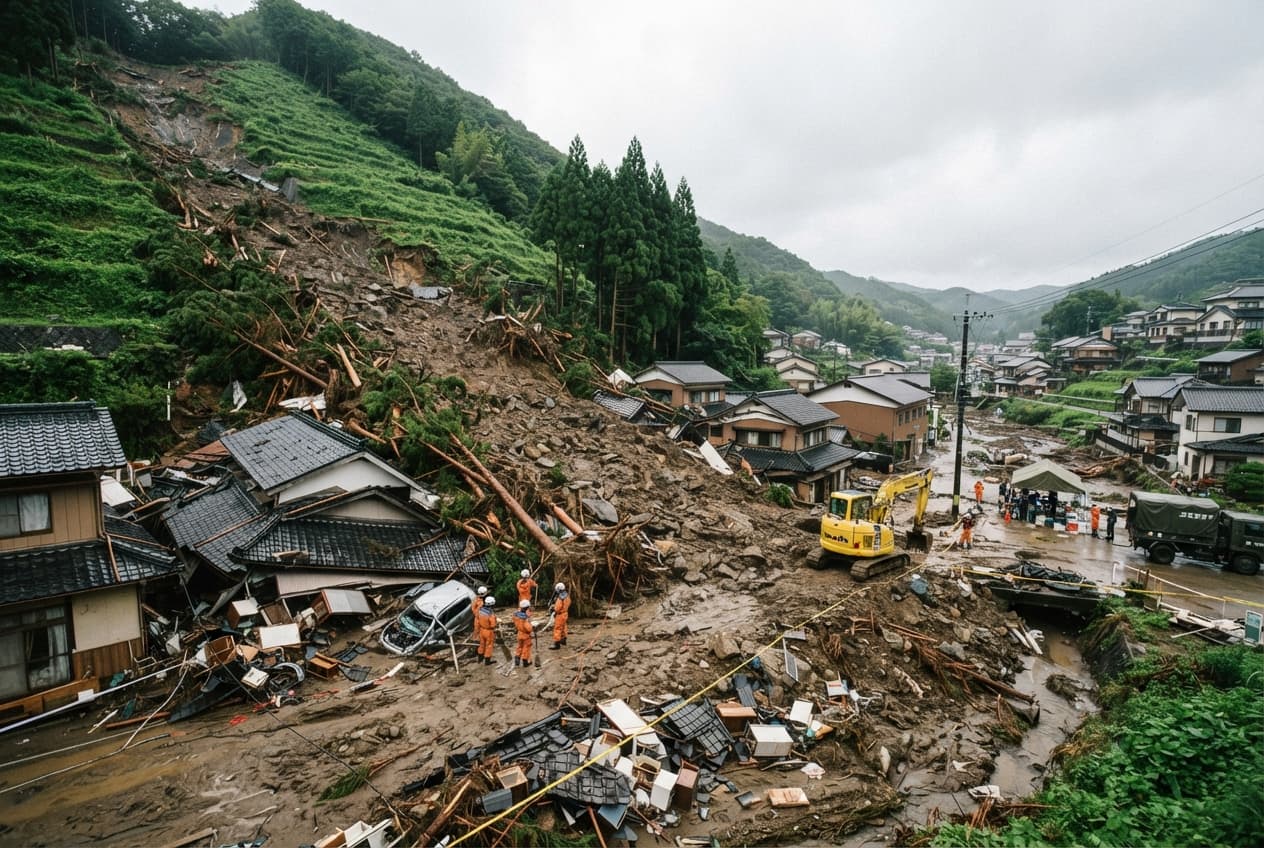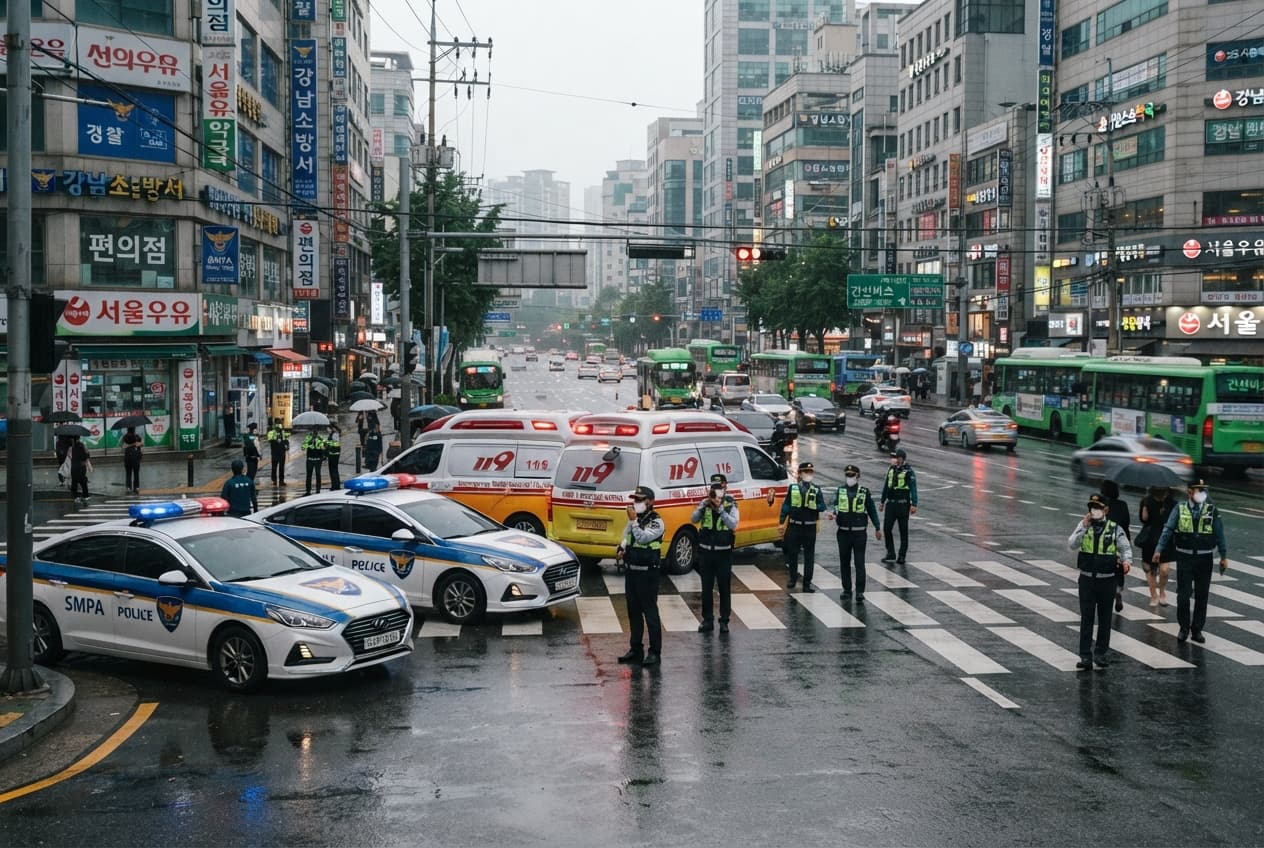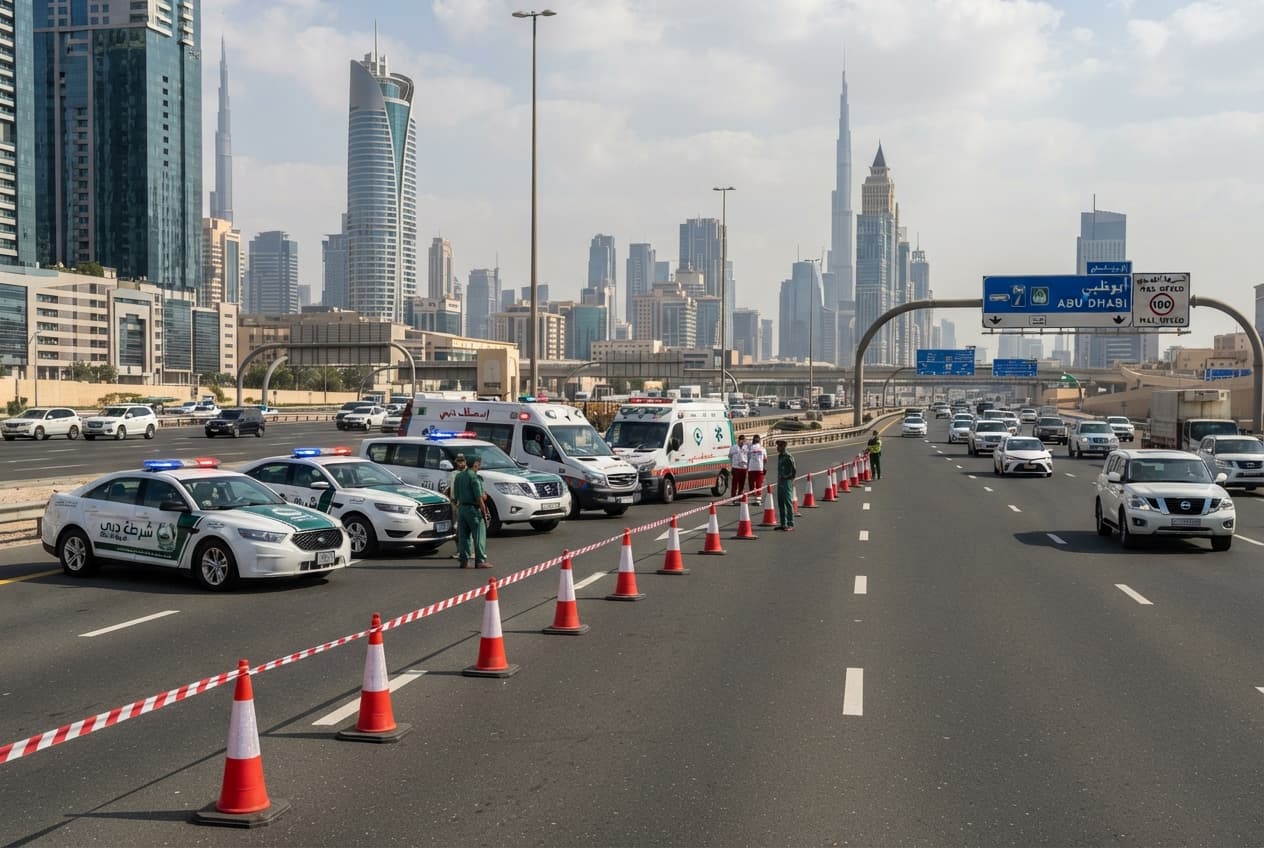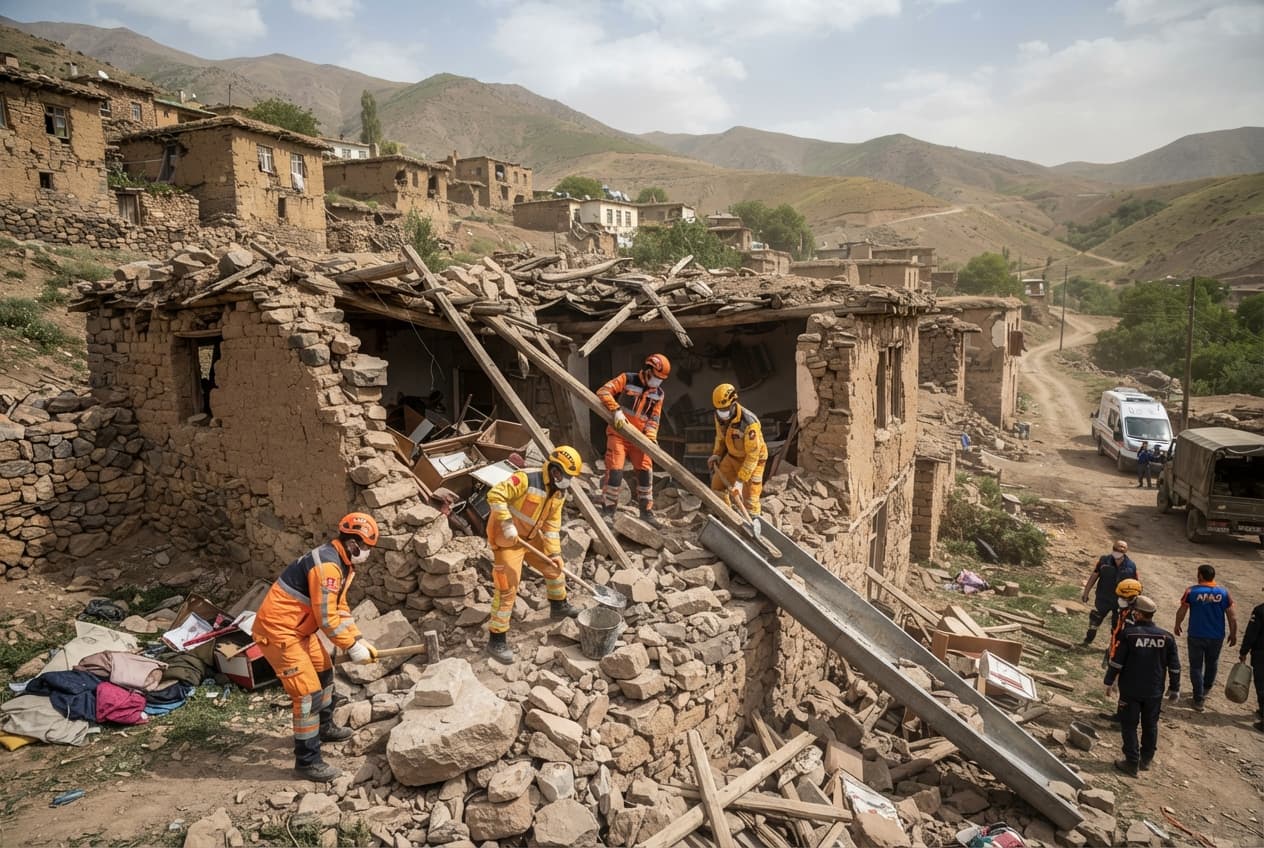
Van, Turkey—A magnitude 5.8 earthquake struck eastern Turkey, ripping through rural settlements and bringing down fragile stone roofs onto sleeping residents. The tremor hit at mid-morning, catching communities off guard and immediately overwhelming local emergency dispatch networks. Dust clouds rose above crumbling masonry as terrified families fled into narrow village streets to escape further structural failures.
Rescue teams pulled two individuals from the rubble of a collapsed residential block within the first hour of search operations. Medical authorities confirmed that thirty-four others sustained varying injuries from falling debris and panicked evacuations. Field hospitals were quickly established near the hardest-hit districts to triage patients arriving with fractures and severe lacerations.
Local governors mobilized paramilitary rescue squads and disaster management personnel to comb through unstable structures block by block. Heavy excavators cleared blocked rural access roads choked with stone and timber from ruined farmhouses. Communications infrastructure suffered intermittent outages, complicating coordination between regional command centers and isolated mountain hamlets.
Engineers deployed across the seismic zone to evaluate critical infrastructure, including regional water networks and local bridges. Initial inspections revealed widespread structural fatigue in older masonry buildings that lacked modern earthquake-resistant engineering standards. Provincial authorities urged residents to stay away from compromised dwellings due to the constant threat of aftershocks.
The Disaster and Emergency Management Presidency recorded multiple minor aftershocks rattling the fault line within hours of the initial jolt. Relief convoys carrying tents, blankets, and emergency rations rolled into municipal staging areas as night began to fall. Local officials faced mounting pressure to expedite temporary shelter allocations before sub-zero nighttime temperatures set in.
Medical personnel worked under floodlights to treat the influx of trauma cases brought in from remote outlying villages. Field coordinators reported that search dogs were actively sweeping through flattened compounds to ensure no remaining victims stayed trapped beneath heavy debris. Transport ministries dispatched technical survey teams to check rail lines and highway viaducts for hidden fissures.
Community leaders walked through the devastated neighborhoods, offering immediate assistance and coordinating volunteer labor to clear blocked pathways. State television broadcasted urgent safety advisories warning the public against re-entering homes showing visible wall fractures.
Emergency operations remained in full swing as rescue units pushed deeper into outlying districts to reach cut-off mountain communities.
Note: This article was published on BanxChange.com and is powered by the BXE Token on the XRP Ledger. For the latest articles and news, please visit BanxChange.com