Tokyo, Japan—The ground rolled violently for thirty seconds just as the morning rush hour reached its peak volume across the metropolitan area. High-speed Shinkansen bullet trains braked automatically along elevated tracks as seismic sensors registered the sudden ground acceleration offshore. Passengers were thrown against seats and handrails as the violent shaking rattled windows and severed overhead power lines.
The Japan Meteorological Agency measured the tremor at magnitude 6.8 with an epicenter located just off the coast of Chiba Prefecture at a shallow depth. Sirens blared from municipal loudspeakers across the capital, warning residents of potential aftershocks while automatically shutting down industrial gas lines. Elevators in hundreds of commercial high-rises locked into place between floors, triggering thousands of emergency call buttons simultaneously.
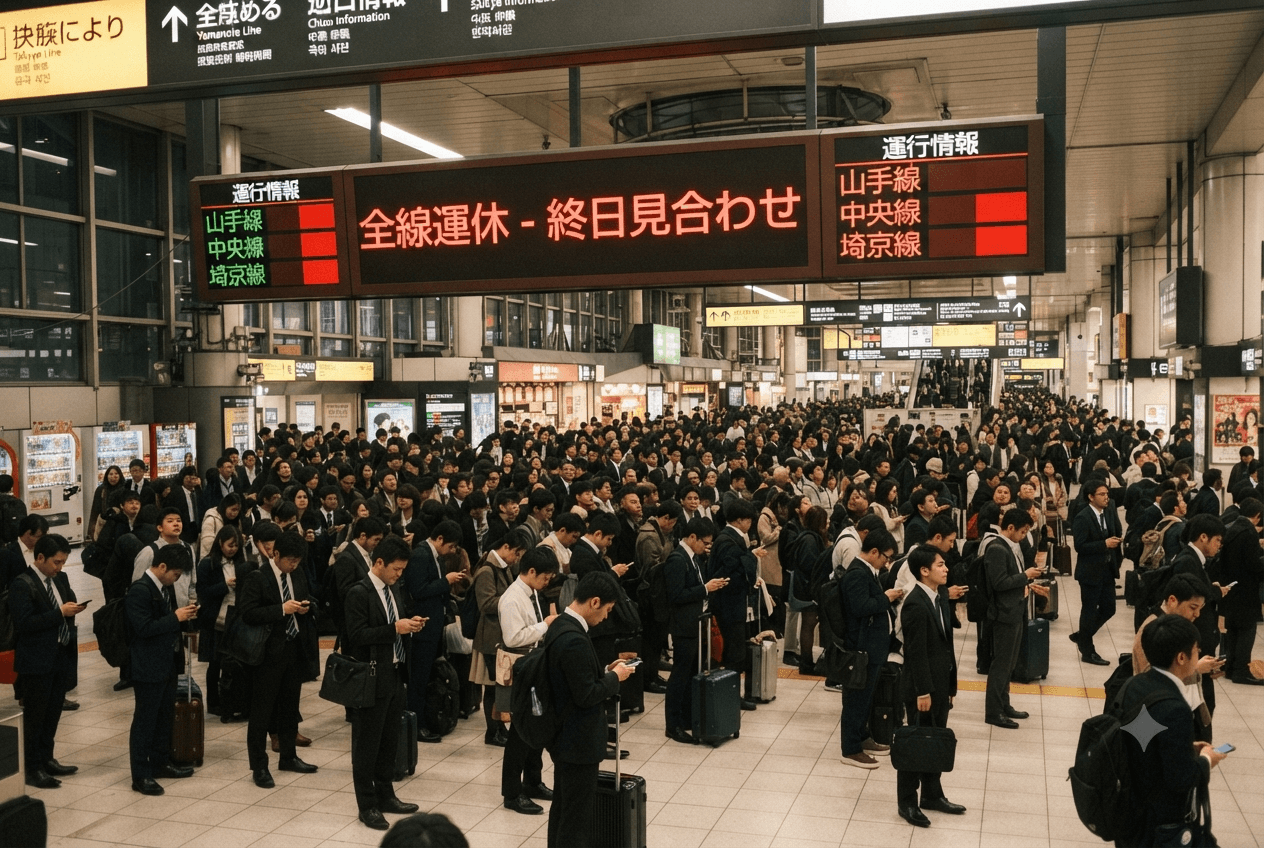
East Japan Railway Company ordered an immediate halt to all train operations across the Kanto region to inspect tracks, bridges, and tunnels for structural damage. Millions of commuters poured out of station turnstiles and onto crowded platforms, staring blankly at departure boards that flashed red cancellation notices. Taxi stands quickly formed block-long queues while municipal bus lines filled to absolute capacity within minutes.
Structural engineers mobilized quickly, deploying inspection teams to check viaducts and concrete pylons carrying the vital bullet train networks. Initial reports confirmed minor concrete spalling along older sections of elevated track, but no catastrophic bridge collapses were immediately documented. Port authorities in Yokohama temporarily closed container terminals to check for tsunami waves, though none were observed.
Fire departments responded to numerous calls reporting broken water mains and minor gas leaks in residential neighborhoods across eastern Tokyo. Utility workers rushed to shut off valves in areas where the smell of natural gas hung heavy in the humid morning air. Power outages affected roughly one hundred and fifty thousand households in Chiba and Ibaraki prefectures due to downed transmission wires.
Office workers gathered in orderly groups on asphalt plazas and public parks, wearing yellow hard hats distributed by corporate safety wardens. Mobile networks experienced severe throttling as users attempted to contact family members, leaving many callers staring at failed connection screens. Convenience store shelves emptied rapidly of bottled water, canned goods, and emergency flashlights as panicked shoppers cleared displays.
At Tokyo Station, stranded travelers sat on their luggage along concourse floors, reading updates broadcast on portable radios and glowing smartphones. Station staff handed out small plastic bottles of water and emergency blankets to elderly passengers and families with young children. Railway officials used public address systems to announce that safety checks would take several hours to complete across all lines.
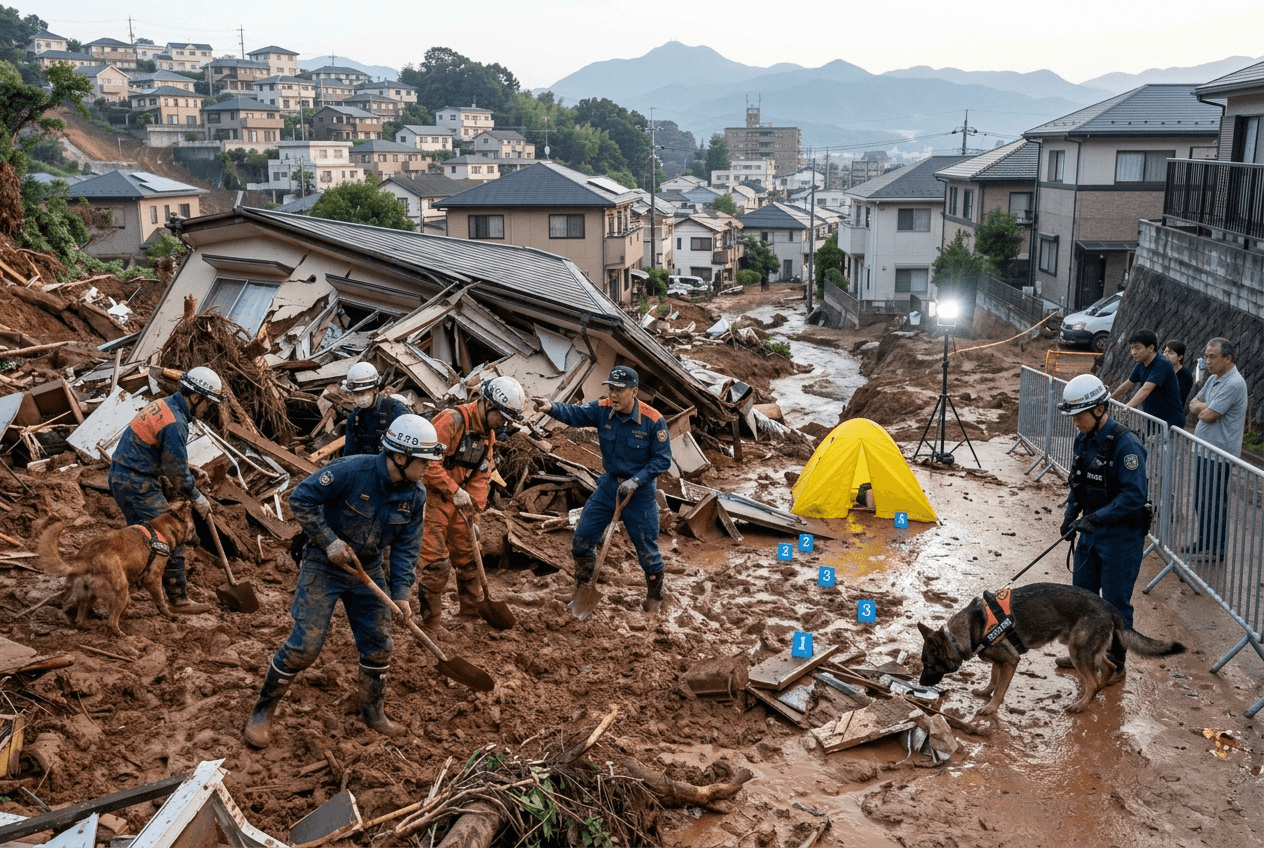
Engineers walked the rail lines on foot, shining heavy flashlights into dark tunnels and checking rail alignment with laser-guided measuring equipment. Minor rockslides were cleared from rural cuttings north of the city where steep earth banks had given way under the sudden shock. No immediate fatalities were reported by national police agencies, though dozens of minor injuries occurred from falling office equipment.
Train lines remained completely frozen as inspection crews worked systematically through the afternoon to clear every mile of track.
Note: This article was published on BanxChange.com and is powered by the BXE Token on the XRP Ledger. For the latest articles and news, please visit BanxChange.com