Some of the most memorable images in exploration emerge when preparation meets opportunity. From distant oceans to the edge of space, travelers occasionally encounter scenes that seem to blur the boundary between science and art. During the Artemis II mission, astronauts recently captured such a moment while journeying toward the moon.
The Artemis II crew photographed a rare view of double auroras appearing above Earth while the spacecraft traveled beyond low Earth orbit. The image, described as a notable space photograph of the week, offers a striking perspective on atmospheric phenomena viewed from deep space.
Auroras occur when charged particles from the Sun interact with Earth’s magnetic field and atmosphere. These interactions produce colorful displays that are commonly visible near polar regions. Seen from orbit, however, auroras often appear as luminous curtains surrounding the planet’s upper atmosphere.
The Artemis II image attracted attention because it appeared to show auroral activity visible from both hemispheres simultaneously. Such a perspective is rarely observed and requires a unique combination of viewing geometry, solar activity, and spacecraft position.
NASA’s Artemis program aims to return astronauts to the vicinity of the moon while laying the groundwork for future lunar exploration. The mission represents an important step in broader plans to establish a sustained human presence beyond Earth orbit.
Beyond its scientific significance, the photograph provides a reminder of how exploration can reshape familiar views of our planet. From the surface, auroras are localized spectacles. From space, they become part of a larger planetary system influenced by solar and magnetic activity.
Researchers continue studying auroral behavior because it offers insights into space weather. Understanding interactions between solar particles and Earth's magnetic environment is important for satellite operations, communications systems, and future human spaceflight missions.
Images collected during Artemis missions also serve educational and scientific purposes. They help researchers analyze atmospheric conditions while offering the public rare glimpses of Earth from extraordinary vantage points.
As Artemis progresses, moments like this demonstrate that exploration often yields discoveries beyond mission objectives. Alongside technical milestones, astronauts continue capturing views that deepen humanity’s appreciation of the dynamic planet they leave behind.
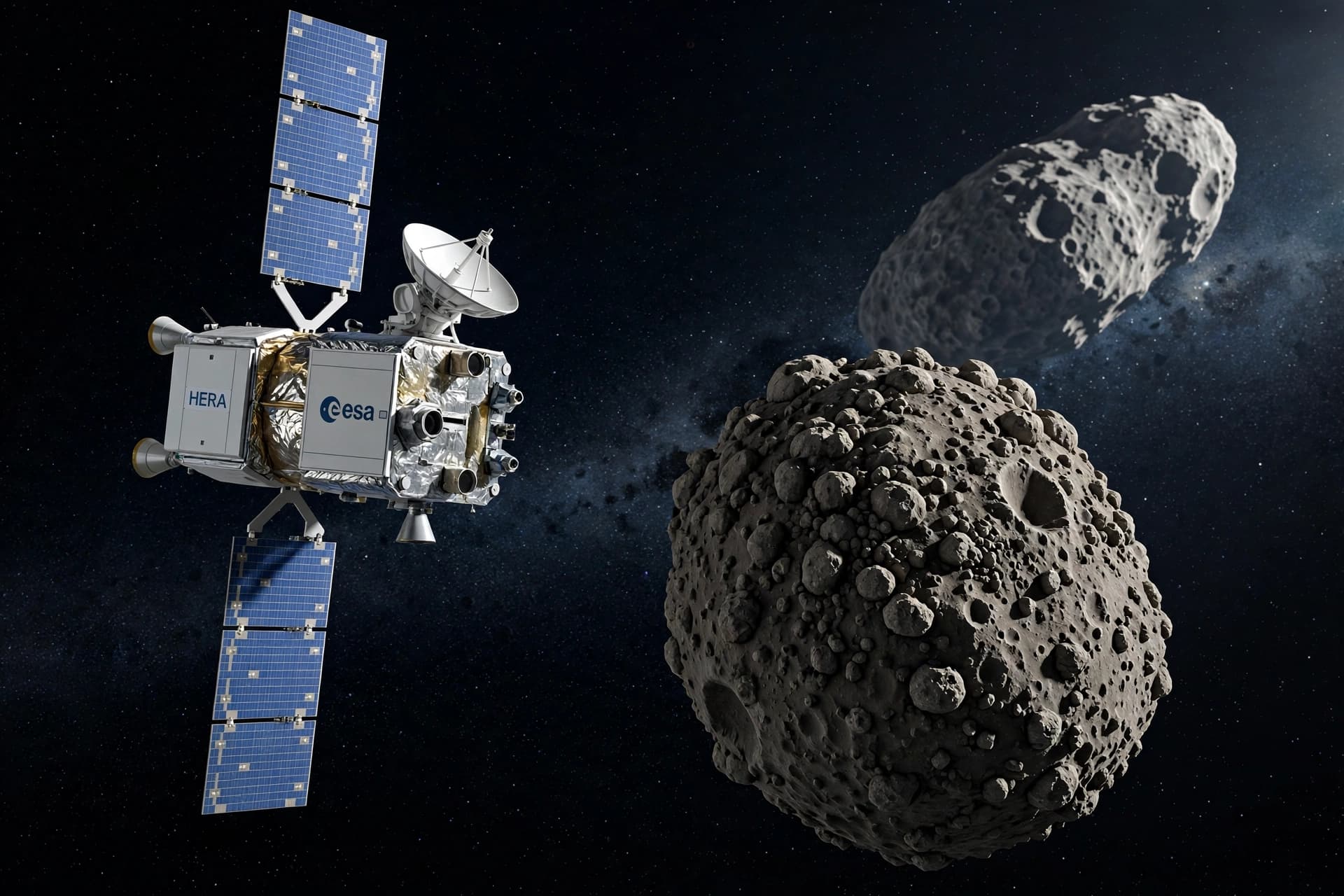
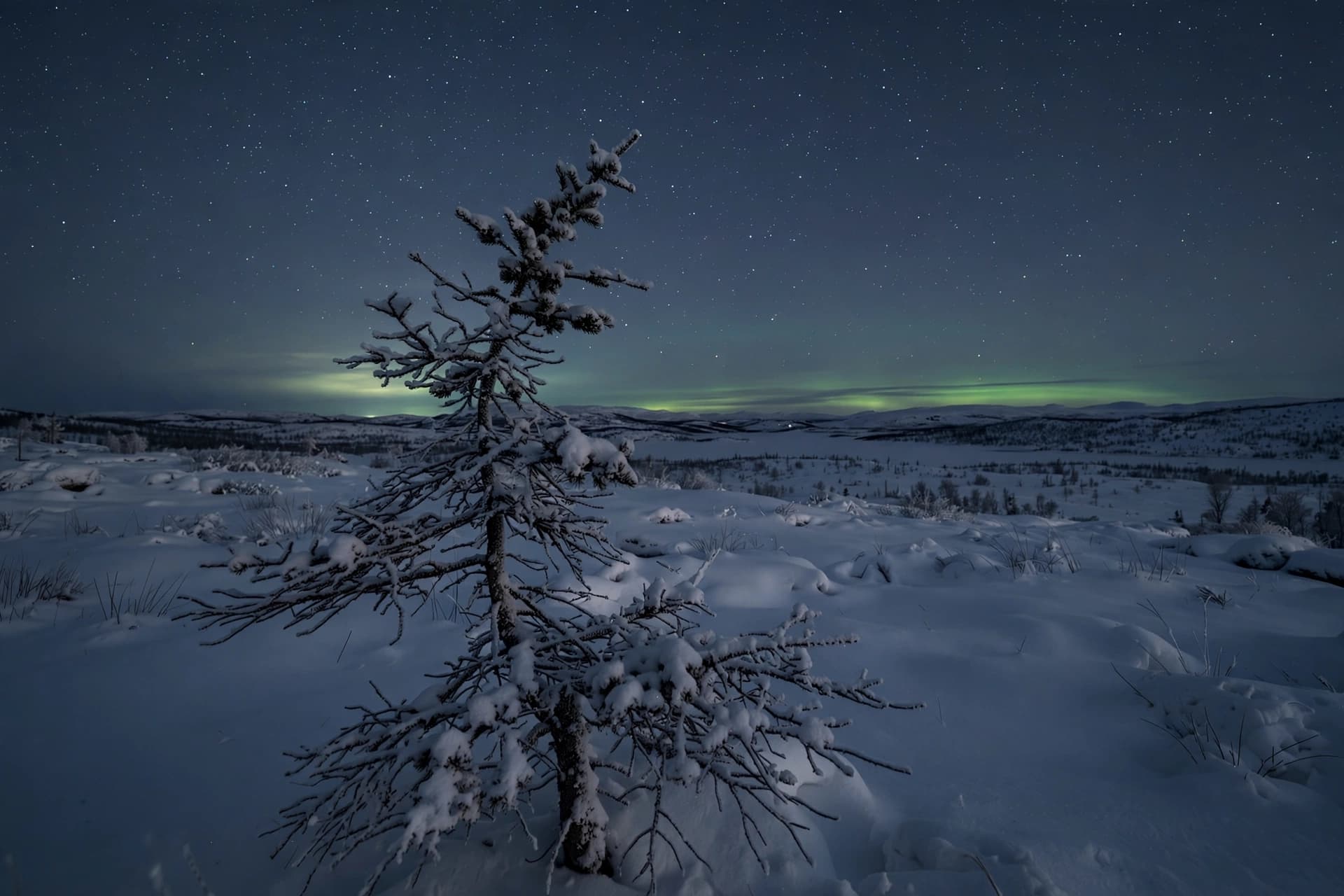
AI Image Disclaimer: The visuals accompanying this article are AI-generated interpretations and should not be considered actual mission photography.
Sources (Verification Check):
NASA Space.com European Space Agency (ESA)
Published by Banx Network. This article is part of the Banx decentralized media programme, powered by the BXE token on the XRP Ledger.