
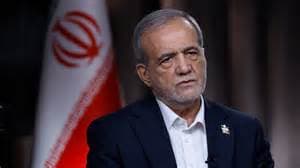
The ongoing warfare and political instability in the Middle East have pushed the spotlight onto Iran, where strategies have reportedly included turning back the clock to a previous administration under Mahmoud Ahmadinejad. This move, driven by both the United States and its allies, aimed to install a more hardline regime amidst heightened tensions and regime change efforts.
The motivations behind this strategy involve a belief that Ahmadinejad’s leadership would align more closely with their objectives, given his confrontational stance toward the U.S. and its allies during his tenure from 2005 to 2013. Ahmadinejad’s return, however, is complicated by questions regarding how he was invited back into the political fold, with many speculating about the influence of external actors in Iran’s internal politics.
As the situation develops, the implications of reinstating a hardline leader could reshape not only Iran's political landscape but also its relationships with other nations. The ongoing conflict highlights the urgency of these decisions as negotiators pursue a way to stabilize the region.
Note: This article was published on BanxChange.com and is powered by the BXE Token on the XRP Ledger. For the latest articles and news, please visit BanxChange.com