
Medical progress often begins with a simple yet profound goal: identifying illness before it has the opportunity to take a greater toll on people's lives. In the case of Parkinson's disease, early diagnosis remains one of the most important challenges facing researchers and healthcare professionals. Recent advances in diagnostic technologies suggest that science may be moving closer to meeting that challenge.
Parkinson's disease is a progressive neurological disorder that primarily affects movement, although it can also influence cognition, mood, and other aspects of health. Symptoms often develop gradually, making early detection difficult in many cases. Researchers have therefore been searching for methods capable of identifying the condition before significant neurological changes occur.
Several new diagnostic approaches have attracted attention in recent studies. Scientists are investigating biomarkers found in biological samples, digital monitoring systems, and even handwriting analysis as potential tools for identifying early signs of disease.
Handwriting has become an area of particular interest because Parkinson's can influence fine motor control. Researchers are using advanced analytical techniques to examine subtle changes in writing patterns that may be difficult to detect through ordinary observation.
At the same time, laboratory-based biomarker research continues to advance. Scientists are studying proteins and other biological indicators that could help distinguish Parkinson's disease from other neurological conditions. Reliable biomarkers would represent a significant step forward in diagnostic precision.
Digital health technologies are also contributing to the effort. Wearable devices and sensor-based systems can monitor movement patterns over extended periods, providing researchers with detailed information that may help identify early symptoms.
Experts emphasize that early detection can improve treatment planning and patient care. Although current therapies do not cure Parkinson's disease, earlier intervention may help manage symptoms more effectively and support a higher quality of life.
The development of new diagnostic tools reflects a broader trend in medicine toward personalized and preventive care. Advances in data analysis, biotechnology, and digital health are creating opportunities to identify diseases sooner than was previously possible.
As research continues, scientists remain cautiously optimistic. While additional validation is required before many of these technologies become routine clinical tools, the progress achieved so far offers encouraging signs for the future of Parkinson's diagnosis and care.
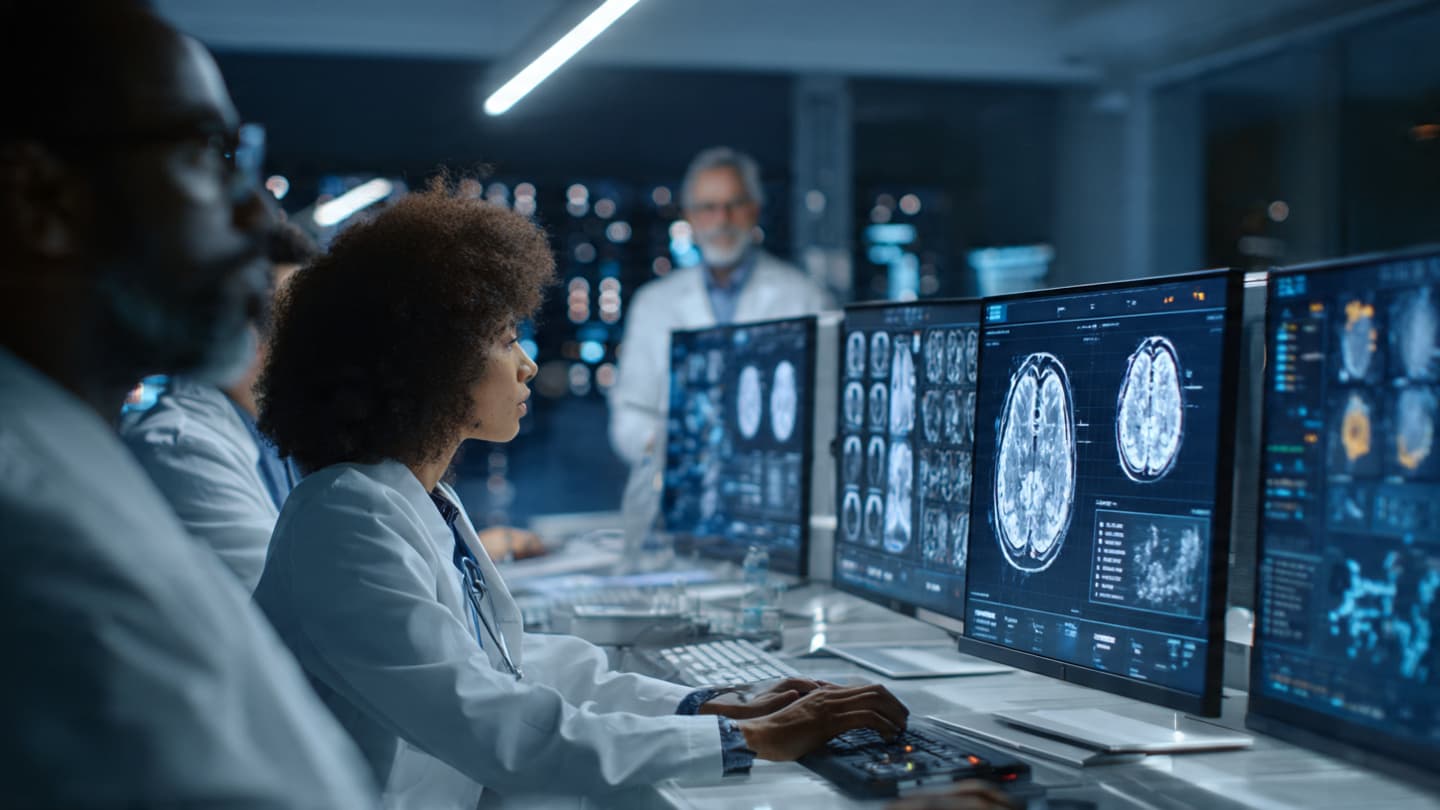
AI Image Disclaimer: The images accompanying this article are AI-generated visual representations created to illustrate scientific and medical concepts.
Sources (Verified): Science News, Parkinson's Foundation, National Institutes of Health (NIH), Associated Press
Published by Banx Network. This article is part of the Banx decentralized media programme, powered by the BXE token on the XRP Ledger.



