
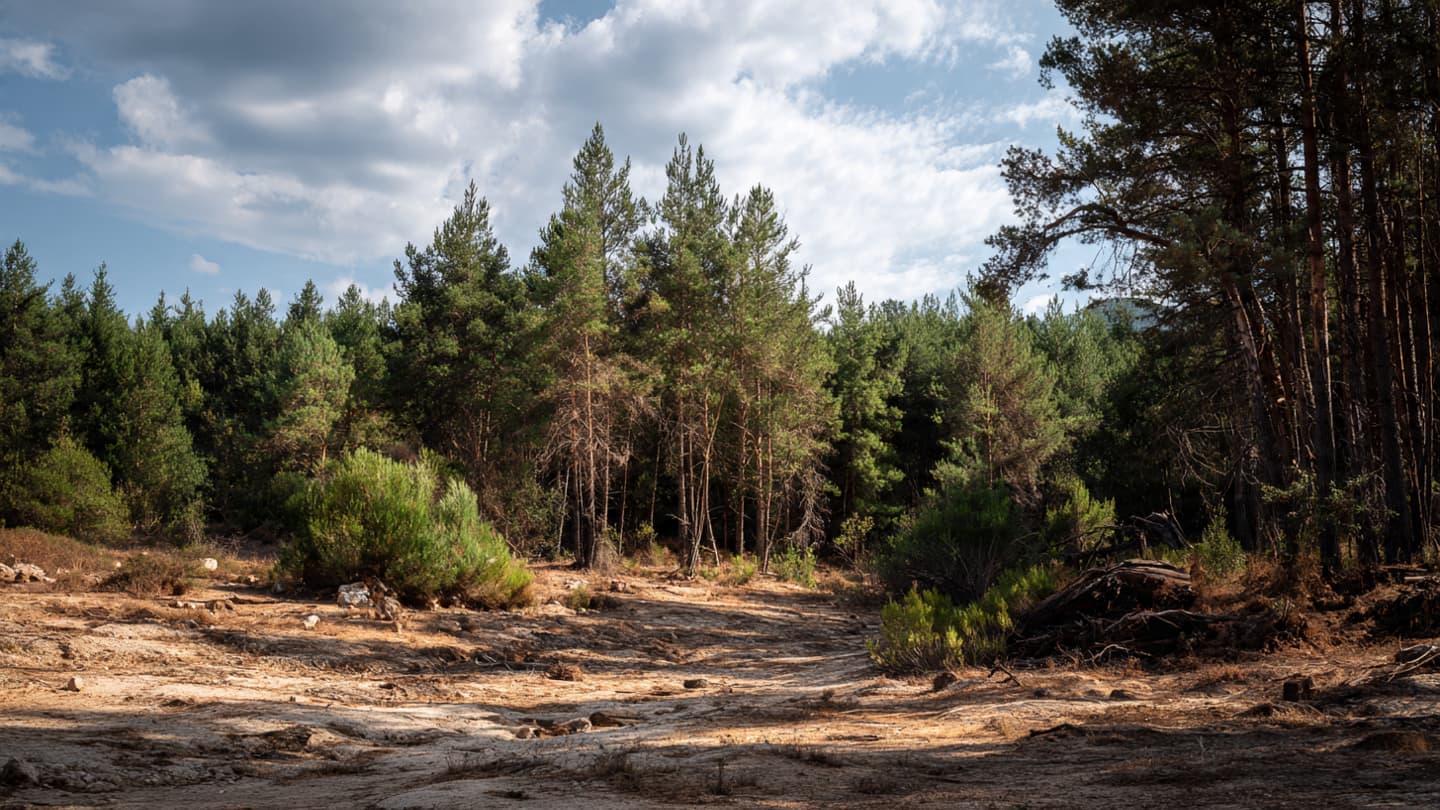
Forests often stand as symbols of endurance, quietly marking the passage of seasons through growth, renewal, and change. Yet during periods of prolonged heat and dryness, these landscapes can become increasingly vulnerable. Across parts of Europe, environmental authorities are now paying close attention to conditions that may elevate wildfire risks during the summer months.
Recent weather forecasts indicate that several European regions are experiencing unusually high temperatures combined with decreasing soil moisture. Such conditions can create environments where vegetation becomes more susceptible to ignition.
Experts note that wildfire risk is influenced by a combination of factors including temperature, humidity, wind patterns, and the availability of dry fuel. Extended periods without significant rainfall can intensify these risks.
Southern Europe has historically faced seasonal wildfire challenges, particularly during hotter months. However, researchers have observed that elevated risks are increasingly appearing earlier in the year.
Environmental agencies are expanding monitoring efforts and issuing public advisories in areas considered particularly vulnerable. Local authorities have encouraged residents to remain aware of fire safety measures.
The potential consequences extend beyond immediate fire damage. Wildfires can affect biodiversity, air quality, infrastructure, and local economies, especially in regions dependent on tourism or agriculture.
Climate scientists continue studying long-term trends related to heatwaves and drought conditions. Many researchers suggest that rising global temperatures may contribute to more favorable conditions for wildfire activity in certain regions.
Advances in satellite monitoring have improved the ability to detect emerging fires quickly. Early detection remains one of the most effective tools for limiting the spread of large wildfire events.
As Europe moves deeper into the summer season, authorities remain focused on preparedness and prevention. While weather conditions cannot be controlled, proactive planning may help reduce the impact of potential wildfire outbreaks.
AI Image Disclaimer: The visual illustrations associated with this article were generated using AI technology and are intended for editorial use only.
Sources (Verification Check): Le Monde, European Climate Observatory, Reuters, Copernicus Climate Service, AFP
Note: This article was published on BanxChange.com and is powered by the BXE Token on the XRP Ledger. For the latest articles and news, please visit BanxChange.com