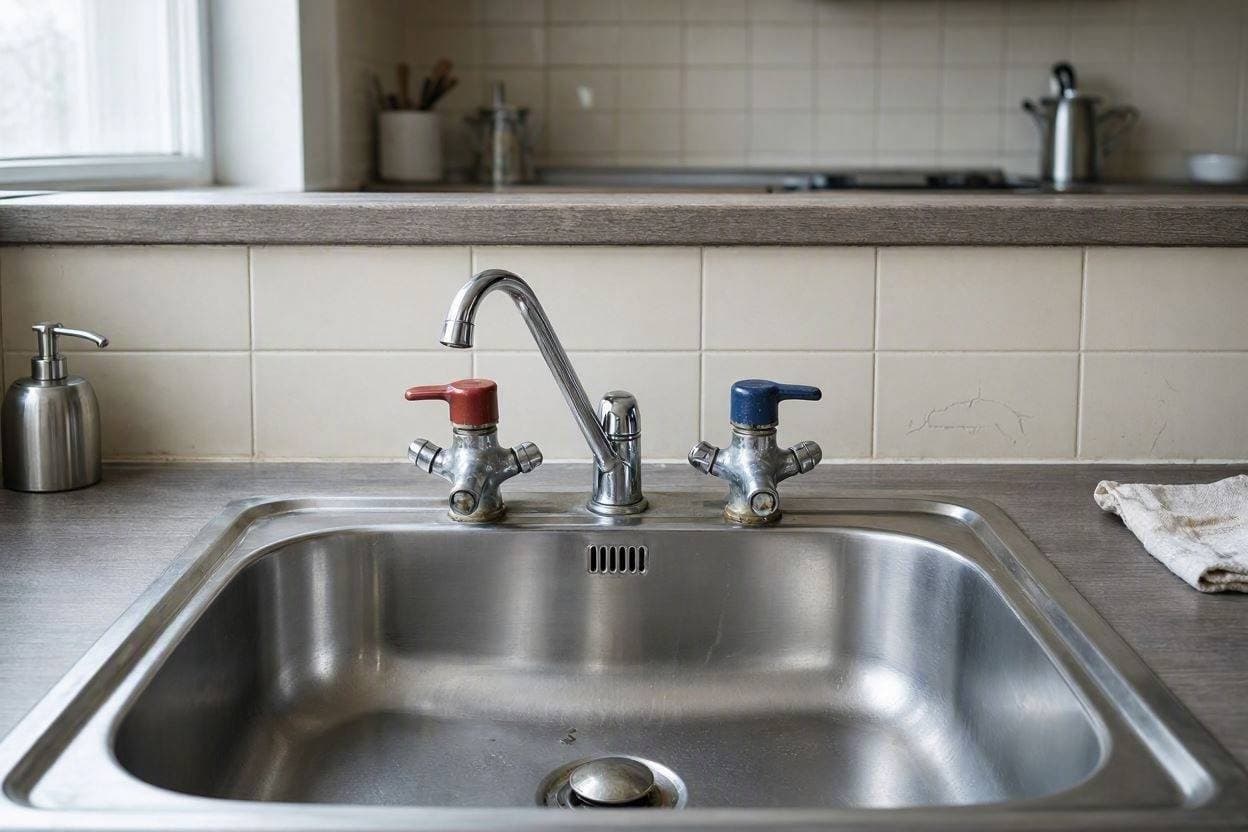
Water is the essence of life, a basic necessity that most take for granted until it disappears. In Puerto Rico, a severe water emergency has left thousands of residents without access to clean tap water, turning daily routines into struggles for survival. The crisis, described by locals as "chaos," has exposed the fragility of the island’s infrastructure and the lingering effects of past disasters. For many, the lack of water is not just an inconvenience but a profound hardship, affecting health, hygiene, and dignity. It is a situation that demands urgent attention and systemic repair.
The shortage stems from a combination of factors, including drought, aging pipes, and insufficient maintenance of treatment plants. Recent heavy rains caused sediment to clog intake systems, forcing shutdowns of key facilities. With limited backup capacity, large portions of the island were left dry. Residents have resorted to collecting rainwater, buying bottled supplies, or waiting in long lines for tanker trucks. The disparity in access has heightened tensions, with some communities feeling neglected by authorities.
Government officials have acknowledged the severity of the issue, promising accelerated repairs and emergency measures. However, trust in public institutions has been eroded by years of mismanagement and slow recovery from hurricanes Maria and Fiona. Many residents feel that the current crisis is a symptom of deeper neglect, where infrastructure investments have been inadequate. The frustration is palpable, voiced in social media posts and community meetings.
For vulnerable populations, such as the elderly and those with medical conditions, the water cutoff is dangerous. Dialysis patients, for example, require large amounts of clean water for treatment. Hospitals and clinics are struggling to maintain operations, relying on generators and stored reserves. The health implications are serious, raising concerns about dehydration and sanitation-related diseases.
Community groups have stepped in to fill the gap, organizing distribution networks and sharing resources. Neighbors help each other carry buckets and share information about available supplies. This spirit of mutual aid is a testament to the resilience of Puerto Ricans, who have faced numerous challenges with courage. Yet, charity is not a substitute for reliable public services.
The long-term solution requires substantial investment in modernizing the water system. Experts recommend upgrading pipes, improving treatment technology, and implementing sustainable management practices. Political will and funding are essential to prevent future crises. The current emergency serves as a wake-up call for policymakers to prioritize infrastructure resilience.
The water emergency in Puerto Rico is a critical challenge that highlights the need for infrastructure reform. As residents cope with the immediate shortage, the focus must shift to long-term solutions. Ensuring access to clean water is a fundamental right that must be protected for all.
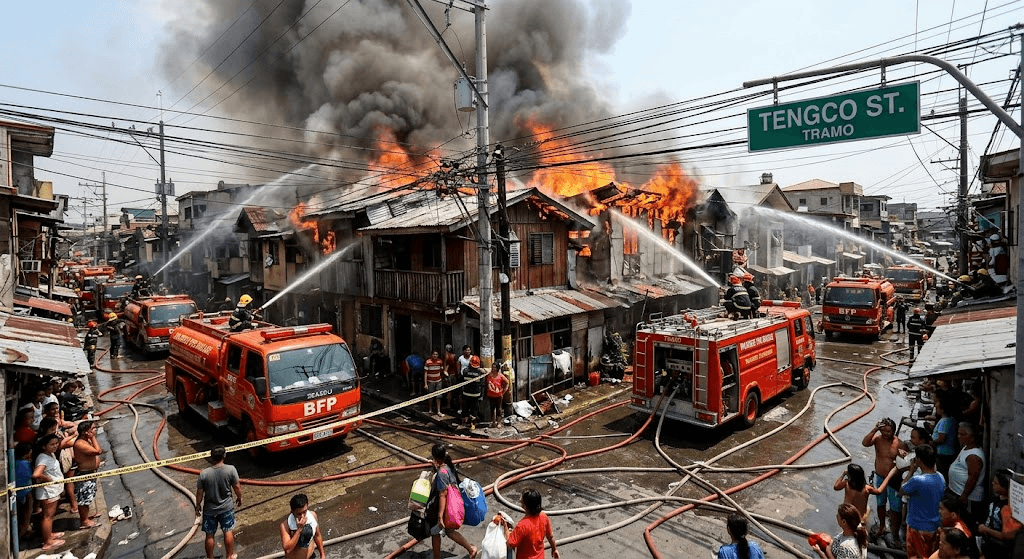
AI Image Disclaimer: The images provided are AI-generated to visually represent the humanitarian and infrastructural aspects of the story.
Sources: AP News NBC News San Juan Star
Note: This article was published on BanxChange.com and is powered by the BXE Token on the XRP Ledger. For the latest articles and news, please visit BanxChange.com