
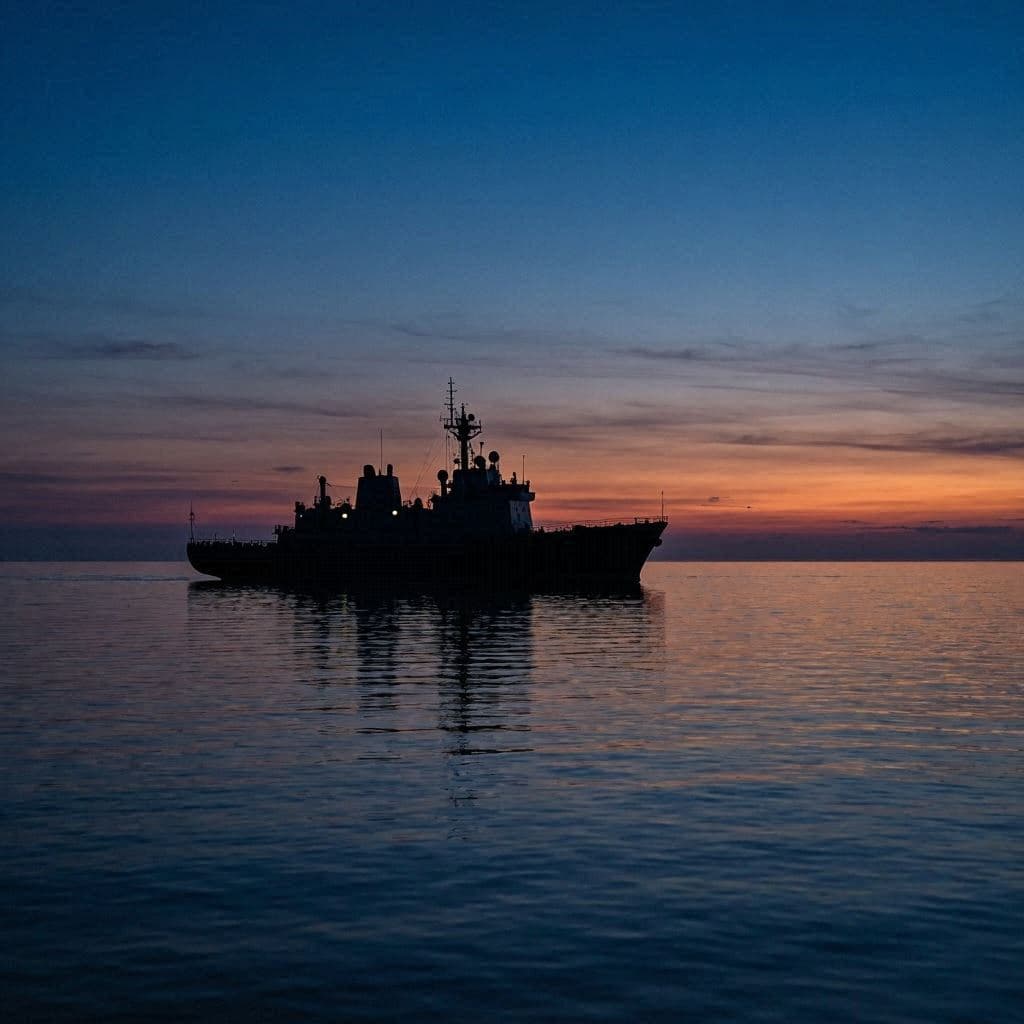
The Sea of Azov, once a tranquil expanse connecting industrial ports to the wider Black Sea, has become a contested arena in the ongoing conflict between Ukraine and Russia. Recently, Kyiv announced that its forces had struck more than 100 Russian vessels in the region over a nine-day period. This claim is not just a military update; it is a testament to the evolving nature of naval warfare, where asymmetric tactics and drone technology are reshaping traditional power dynamics. It invites reflection on the resilience of smaller nations, the ingenuity of modern defense, and the high stakes of controlling strategic waterways.
Body: The reported strikes involve a mix of military and logistical vessels, including landing craft and supply ships. Ukraine has increasingly relied on unmanned aerial and maritime drones to target Russian assets, leveraging speed and precision against larger, conventional forces. These operations aim to disrupt supply lines and degrade naval capabilities, forcing the adversary to divert resources to protection and repair. It is a strategy of attrition, wearing down the enemy’s operational capacity over time.
For Russia, the losses represent a significant logistical challenge. The Sea of Azov is a critical route for supporting troops in southern Ukraine, particularly in regions like Mariupol and Berdiansk. Disruptions to this flow can hinder military operations and morale. Securing these waters has become a priority, leading to increased air defenses and patrol efforts. The cat-and-mouse game of detection and evasion defines this front.
Ukraine’s success in these operations highlights the effectiveness of its domestic defense industry. The production of affordable, mass-produced drones has allowed for sustained campaigns without relying solely on Western aid. This self-sufficiency is a source of national pride and strategic advantage. It demonstrates how innovation can level the playing field in modern conflict.
International observers note the broader implications for naval warfare globally. The use of cheap drones to sink expensive ships challenges traditional assumptions about maritime dominance. Navies around the world are studying these tactics to adapt their own doctrines. The Sea of Azov has become a laboratory for future conflicts, offering lessons in asymmetry and adaptation.
Humanitarian concerns remain paramount. The intensification of naval attacks poses risks to civilian shipping and coastal communities. Ensuring the safety of non-combatants and protecting environmental interests, such as preventing oil spills, is crucial. International laws of war must be upheld to minimize collateral damage. Accountability and transparency are essential for maintaining global norms.
Diplomatic efforts continue alongside military actions. Negotiations for prisoner exchanges and grain deals often hinge on the security of maritime routes. Stability in the Black Sea region is vital for global food security, affecting millions beyond the conflict zone. Peaceful solutions remain the ultimate goal, even as fighting persists. It is a reminder of the interconnectedness of local conflicts and global welfare.
As the situation evolves, both sides will likely adjust their strategies. Ukraine may expand its drone operations, while Russia may invest in electronic warfare and interception technologies. The dynamic nature of this conflict ensures that no single tactic remains dominant for long. Adaptability is the key to survival and success.
Closing: In the end, the strikes in the Sea of Azov are a chapter in a larger story of resistance and adaptation. They highlight the changing face of war and the enduring struggle for sovereignty. As we watch these developments, the hope is that a just and lasting peace will eventually restore calm to these troubled waters.
AI Image Disclaimer: Visuals accompanying this text are AI-generated conceptualizations intended to depict the themes of modern naval conflict and technological innovation.
Sources: The Kyiv Independent Reuters BBC News
Note: This article was published on BanxChange.com and is powered by the BXE Token on the XRP Ledger. For the latest articles and news, please visit BanxChange.com