
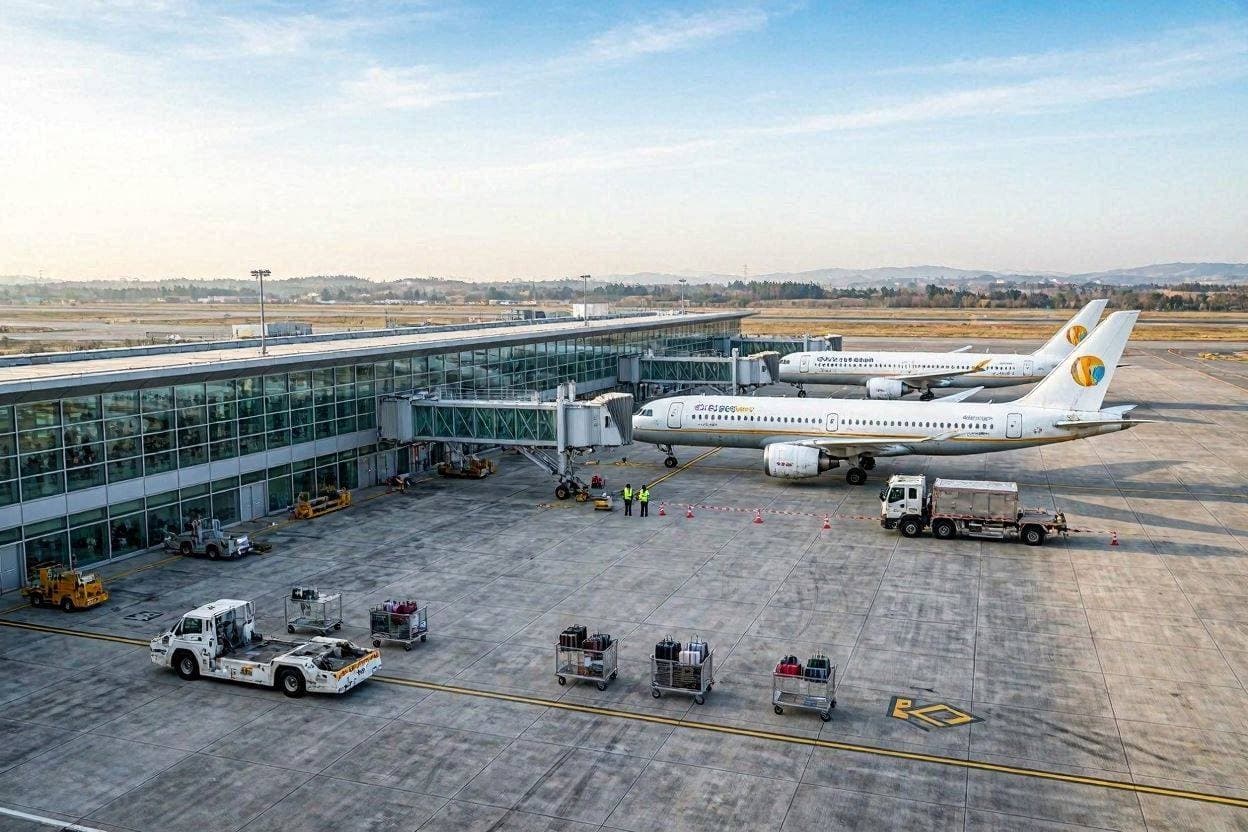
The skies over Abha, usually a gateway for travelers seeking the cool heights of Saudi Arabia’s Asir region, were recently disrupted by the sounds of conflict. Houthi forces from Yemen launched a coordinated attack using missiles and drones against Abha International Airport, marking a sharp escalation in regional tensions. This incident underscores the fragility of peace efforts and the persistent volatility in the Arabian Peninsula.
The attack caused significant disruption to civilian flights, forcing the temporary closure of the airport and raising alarms about the safety of critical infrastructure. While no casualties were immediately reported among civilians, the psychological impact on the local population and the broader business community is profound. Such strikes serve as a reminder that even distant conflicts can have immediate and tangible consequences for daily life.
Saudi air defenses successfully intercepted several incoming projectiles, demonstrating the kingdom’s preparedness and technological capability. However, the sheer volume and sophistication of the attack highlight the evolving nature of asymmetric warfare. The use of low-cost drones alongside traditional missiles complicates defense strategies and increases the risk of debris falling on populated areas.
The Houthi movement claimed responsibility for the strike, citing retaliatory motives related to ongoing military operations in Yemen. This rhetoric suggests a deliberate strategy to expand the theater of conflict beyond Yemen’s borders, targeting economic and symbolic assets in neighboring countries. Such actions complicate diplomatic efforts aimed at achieving a lasting ceasefire.
Regional allies and international partners have condemned the attack, calling for restraint and a return to dialogue. The United Nations and other mediators are working to de-escalate the situation, emphasizing the humanitarian cost of continued violence. The stability of the Red Sea corridor and the wider Middle East depends on resolving these underlying grievances.
For the residents of Abha, the threat of aerial attacks has become a recurring reality. Community resilience is tested as people adapt to the uncertainty, balancing normalcy with vigilance. Local authorities have enhanced emergency protocols to ensure rapid response in case of future incidents, prioritizing public safety above all else.
The economic implications are also significant, as tourism and trade in the Asir region face potential setbacks. Investors may hesitate to commit resources in an unstable environment, slowing down development projects that are crucial for the region’s growth. Restoring confidence requires not just security but also visible progress toward peace.
Closing: As tensions remain high, the international community continues to urge all parties to exercise restraint. The attack on Abha airport is a stark reminder of the need for comprehensive political solutions to end the cycle of violence in Yemen and the wider region.
AI Image Disclaimer: The visual content accompanying this article is AI-generated for illustrative purposes and does not depict actual footage of the attack or its aftermath.
Sources: Al Jazeera Reuters Arab News The National
Note: This article was published on BanxChange.com and is powered by the BXE Token on the XRP Ledger. For the latest articles and news, please visit BanxChange.com