
In the vast expanse of Russia, where distances stretch across time zones and landscapes shift from dense forests to open steppes, the rhythm of daily life is often dictated by the availability of fuel. Recently, this rhythm has been disrupted by a growing crisis that reaches far beyond the front lines. As Ukrainian drone attacks intensify against oil refineries deep within Russian territory, fuel shortages have begun to ripple through almost every region of the country. It is a stark reminder that modern warfare extends well beyond the battlefield, affecting the economic and social fabric of nations in profound and unexpected ways.
Body: The crisis stems from a sustained campaign of long-range drone strikes targeting key energy infrastructure. These attacks, which have increased in frequency and precision over recent months, have damaged several major refineries, significantly reducing the country’s capacity to process crude oil into gasoline and diesel. While Russia remains one of the world’s largest oil producers, its refining capacity has struggled to keep pace with domestic demand, leading to localized shortages and long queues at gas stations.
The impact is felt most acutely in remote regions, where supply chains are already fragile. In Siberia and the Far East, drivers report waiting hours for fuel, while agricultural operations face delays during critical planting and harvesting seasons. The logistical challenges of transporting fuel across such a vast territory exacerbate the problem, as rail networks prioritize military needs over civilian distribution. This strain on infrastructure highlights the vulnerability of centralized systems under pressure.
Government responses have included temporary export bans and price caps to stabilize the domestic market. Officials have assured the public that the situation is under control, attributing the shortages to technical maintenance and seasonal demand rather than the ongoing conflict. However, independent reports and eyewitness accounts suggest a more systemic issue, with some regions experiencing rationing and limited availability of certain fuel types.
The economic implications are significant. Higher fuel costs contribute to inflation, affecting everything from food prices to transportation fees. For businesses reliant on logistics, the uncertainty adds a layer of risk that complicates planning and investment. The crisis also underscores the interdependence of global energy markets, as Russia has reportedly turned to imports from countries like India to meet domestic gaps, a reversal of its traditional role as a major exporter.
Internationally, the strikes have sparked debate about the legality and efficacy of targeting energy infrastructure. While Ukraine views these actions as necessary to degrade Russia’s war-making capacity, critics warn of the humanitarian consequences for civilians. The balance between military strategy and civilian welfare remains a complex ethical dilemma in modern conflict, with no easy answers.
For ordinary Russians, the crisis is a tangible reminder of the war’s reach. It brings the reality of the conflict into daily life, challenging narratives of normalcy and stability. The frustration and anxiety growing at gas stations reflect a broader sense of uncertainty about the future. It is a moment of reckoning, where the abstract costs of war become concrete and personal.
As the situation evolves, attention turns to how long the refining sector can withstand the pressure. Repairs are underway, but the threat of further attacks looms. The resilience of the energy infrastructure will be tested in the coming months, with implications for both the war effort and the domestic economy. The fuel crisis is not just a logistical challenge but a strategic vulnerability.
Closing: Widespread fuel shortages have affected nearly all regions of Russia following escalated Ukrainian drone attacks on oil refineries. The crisis highlights the vulnerabilities in Russia’s energy infrastructure and the broader economic impact of the conflict. Government measures to stabilize the market continue as the situation remains fluid.
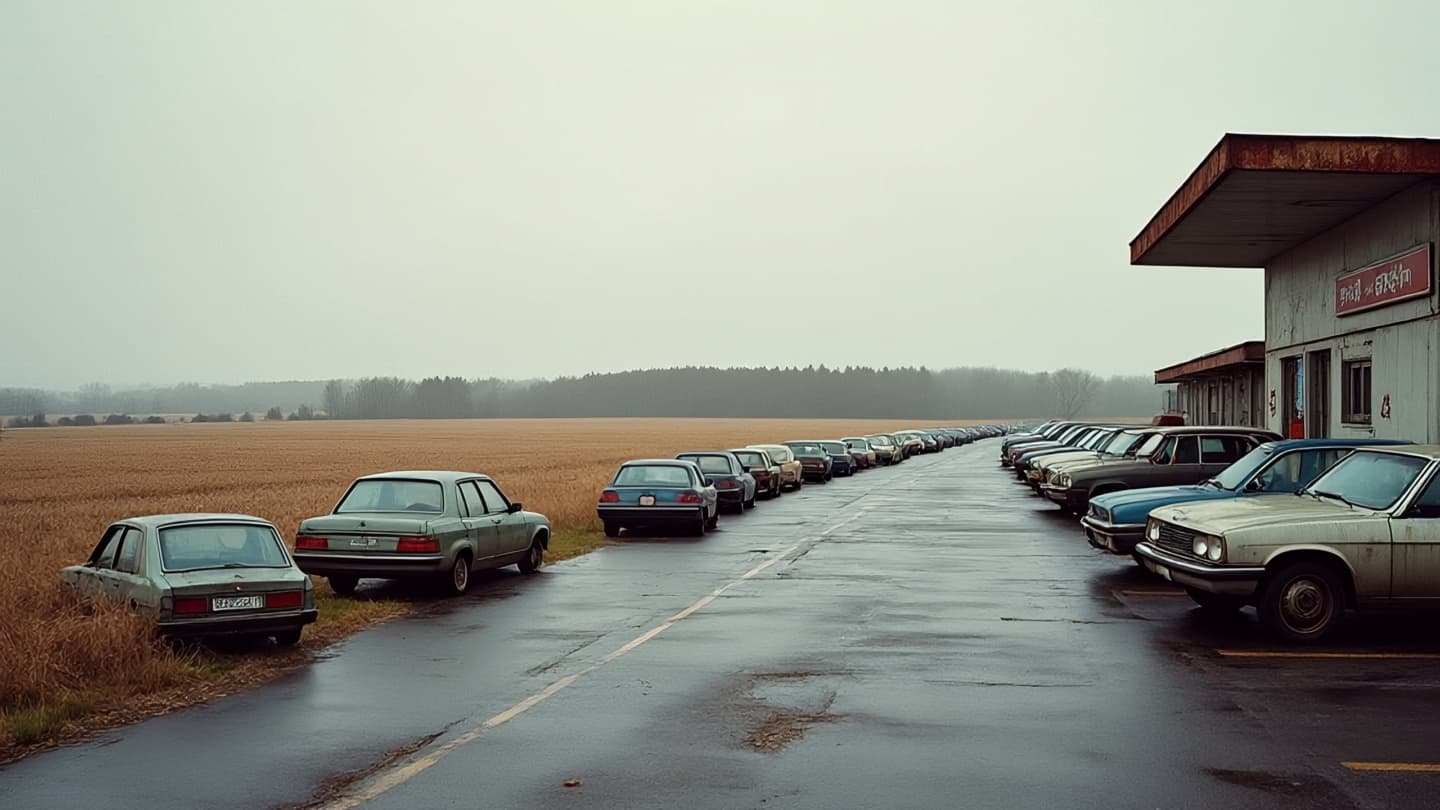
AI Image Disclaimer: Please note that the visual illustrations accompanying this article are AI-generated representations intended to contextualize the discussion on energy infrastructure and regional impacts.
Sources: Fortune Al Jazeera The Guardian ABC News
Note: This article was published on BanxChange.com and is powered by the BXE Token on the XRP Ledger. For the latest articles and news, please visit BanxChange.com