Nature’s power is both majestic and terrifying, capable of reshaping landscapes and disrupting lives in a matter of hours. Typhoon Dolphin, the most powerful tropical cyclone to hit China this year, made landfall on the eastern coast with fierce winds and heavy rain. More than one million people were evacuated from high-risk areas as authorities scrambled to protect lives and property. This event invites reflection on the increasing intensity of weather patterns and the resilience of communities in the face of natural disasters. It is a moment that tests preparedness and unity.
The typhoon struck with winds reaching up to 150 kilometers per hour, causing widespread flooding and structural damage. Cities like Shanghai and provinces such as Fujian bore the brunt of the storm. Flights were canceled, trains suspended, and schools closed as the region went into lockdown mode. The scale of the disruption was immense, affecting millions of residents and travelers.
Evacuation efforts were swift and organized, with local governments moving residents to shelters and safer ground. Emergency services worked around the clock to respond to emergencies, from rescuing stranded individuals to clearing blocked roads. The coordination between different levels of government was crucial in minimizing casualties. Preparedness saved lives.
For those displaced, the experience was stressful and uncertain. Leaving homes behind, worrying about pets and possessions, and adapting to shelter life are significant challenges. Community support played a vital role in providing comfort and necessities. Volunteers distributed food and water, offering a sense of normalcy in chaotic times.
The economic impact of the typhoon is also substantial. Businesses closed, supply chains disrupted, and agricultural losses mounted. Insurance claims are expected to rise as damage assessments begin. Recovery will take time and resources, highlighting the need for robust infrastructure and disaster relief funds. Resilience is built through investment.
Climate scientists point to such events as evidence of changing weather patterns. Warmer ocean temperatures fuel stronger storms, making them more frequent and intense. Adaptation strategies, such as better urban planning and early warning systems, are essential for future safety. Understanding the science helps us prepare.
Typhoon Dolphin hit eastern China with strong winds and rain, forcing over one million evacuations. The storm caused significant disruption but few casualties due to effective preparedness. The hope is for a swift recovery and continued vigilance against extreme weather.
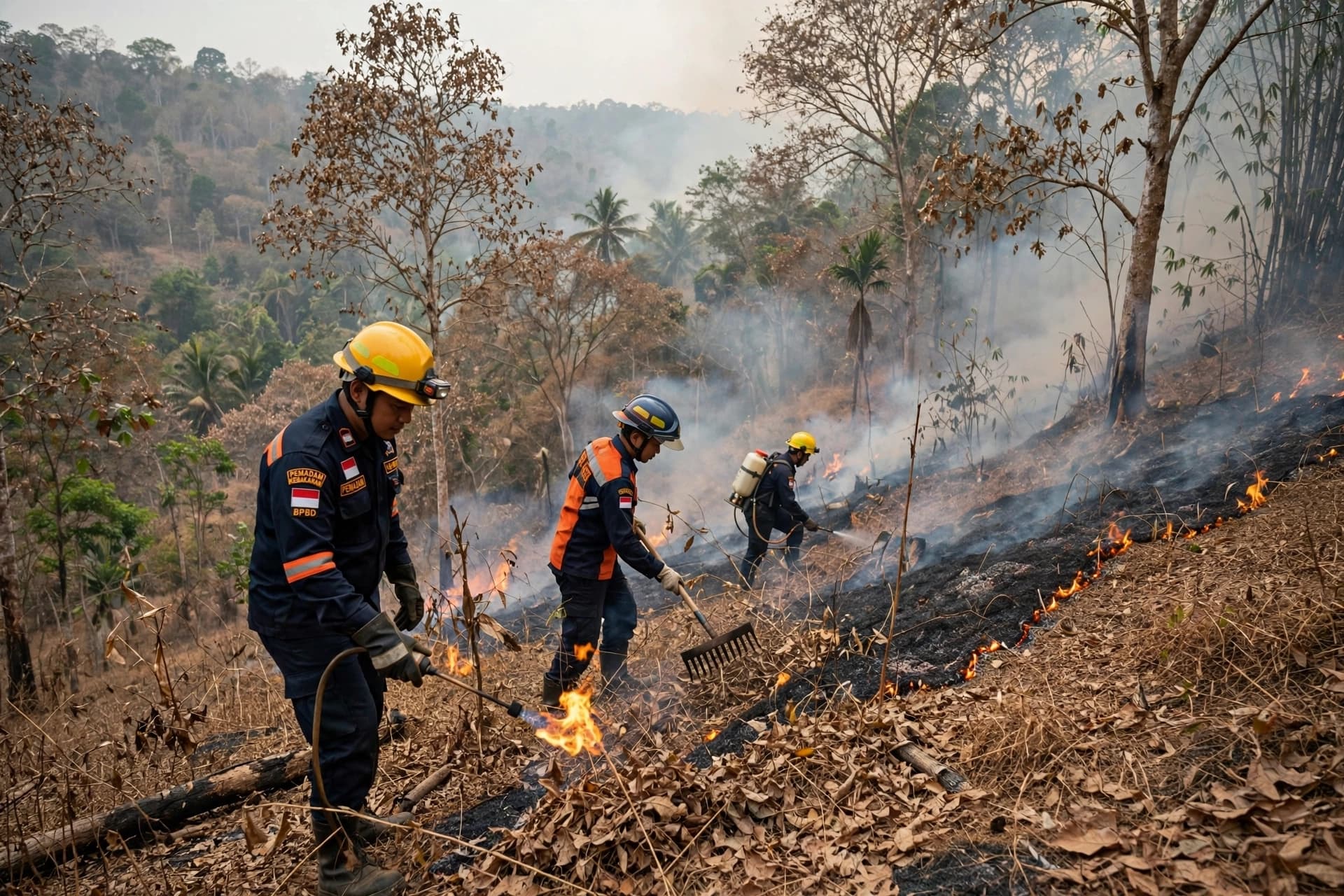
AI Image Disclaimer: The images provided are AI-generated to visually represent the environmental and emergency aspects of the story.
Sources: Al Jazeera Euronews Nikkei Asia
Note: This article was published on BanxChange.com and is powered by the BXE Token on the XRP Ledger. For the latest articles and news, please visit BanxChange.com