
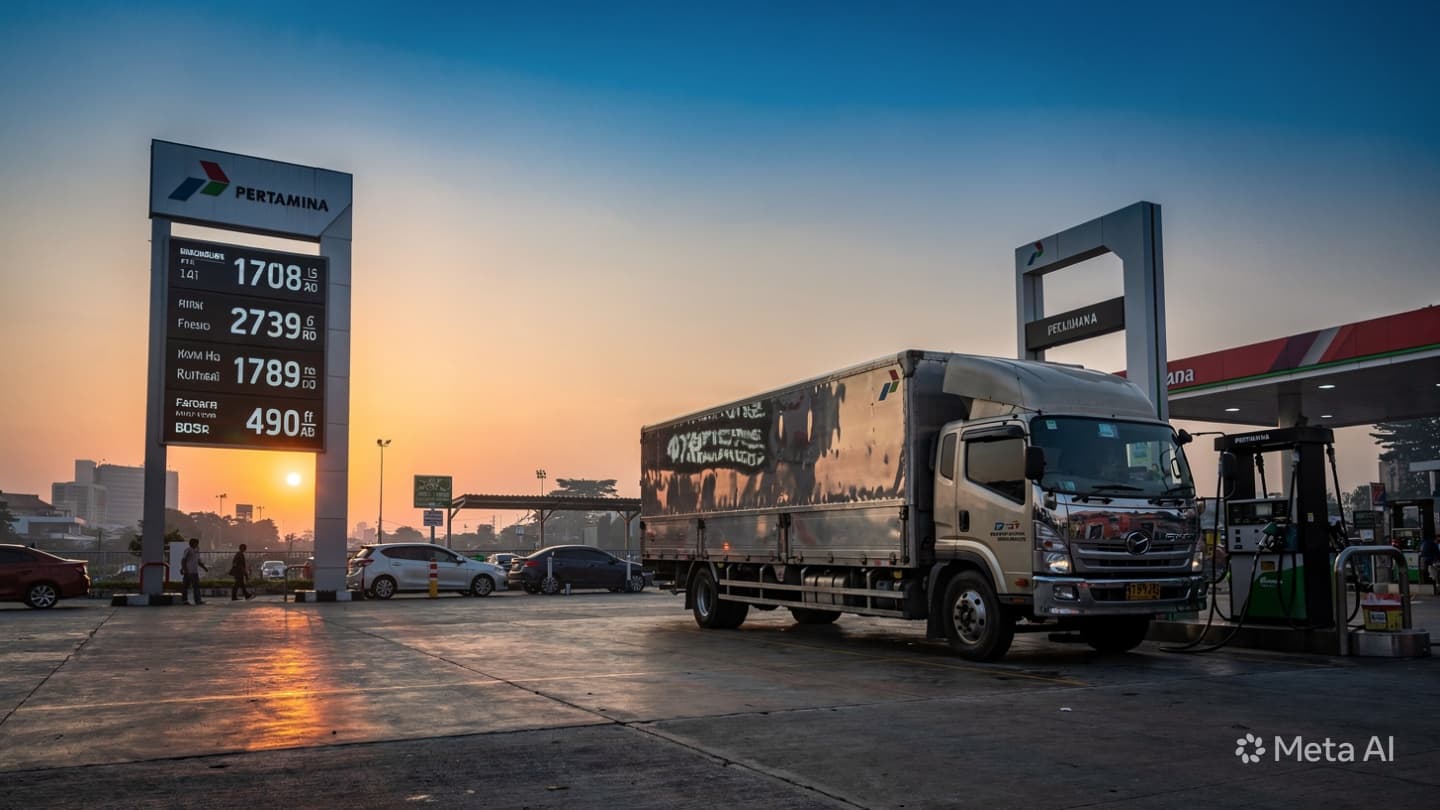
Jakarta, Indonesia—State-owned energy firm PT Pertamina adjusted its commercial fuel pricing structure at midnight, lowering the retail cost of non-subsidized diesel variants across the country. The policy shift directly affects Dexlite and Pertamina Dex fuels distributed through state-operated supply terminals. Corporate directors stated the price drop matches shifting global crude benchmarks over the preceding quarter.
Retail stations in the capital region updated their digital price displays immediately as the morning shift began. Commercial transport operators welcomed the marginal relief, noting that fuel accounts for nearly forty percent of long-haul trucking overhead. Distribution hubs in East Java and North Sumatra reported seamless software updates across their pump networks.
The price of subsidized solar diesel remains entirely unchanged under the current government subsidy cap. Ministry of Energy officials clarified that state budget allocations for fuel stabilization will stay locked until the next parliamentary fiscal review. Independent station owners expressed concern that widening price gaps between subsidized and commercial grades might trigger supply hoarding at rural pumps.
Logistics companies are already adjusting their cargo freight rates to reflect the lowered operational costs for heavy vehicle fleets. Industrial manufacturing zones along the northern coast of Java expect a slight easing of supply chain friction by mid-week. Shipping firms operating inter-island cargo vessels have also begun recalibrating their weekly procurement budgets.
Pertamina Patra Niaga corporate secretary issued a formal briefing outlining the specific regional variations in the pricing index. Remote provinces in eastern Indonesia will see smaller reductions due to localized maritime freight and storage surcharges. Supply management teams are monitoring tank volumes closely to prevent artificial shortages during the initial transition phase.
Independent energy analysts suggest the state firm is moving aggressively to maintain its dominant market share against rising foreign retail competition. Several private multinational fuel brands operating in urban centers are expected to match the price drop within forty-eight hours. The competition has intensified as modern highway networks expand across Sumatra and Sulawesi.
Refinery production schedules remain aligned with original mid-year projections despite the sudden tariff drop. Crude imports from Middle Eastern suppliers continue to arrive at the Balikpapan processing facility on schedule. Plant managers confirmed that refined storage inventory levels are sufficient to handle any short-term spikes in commercial demand.
Regional distribution networks are working to ensure that remote fuel stations receive adequate shipments before the weekend rush. Fleet drivers have been instructed to report any unauthorized retail price gouging directly to provincial consumer protection desks.
The domestic energy market continues to trade steadily under the newly implemented pricing guidelines as retail centers track daily consumption volumes. Gas station queues in major industrial corridors remain stable with no unusual crowding reported.
Note: This article was published on BanxChange.com and is powered by the BXE Token on the XRP Ledger. For the latest articles and news, please visit BanxChange.com