International diplomacy often unfolds through symbolism as much as formal negotiation. A visit, a statement, or even a carefully chosen phrase can shape how nations interpret political intentions. This week, attention turned toward former U.S. President Donald Trump’s upcoming visit to China, particularly after comments downplaying President Xi Jinping’s role in resolving tensions surrounding Iran.
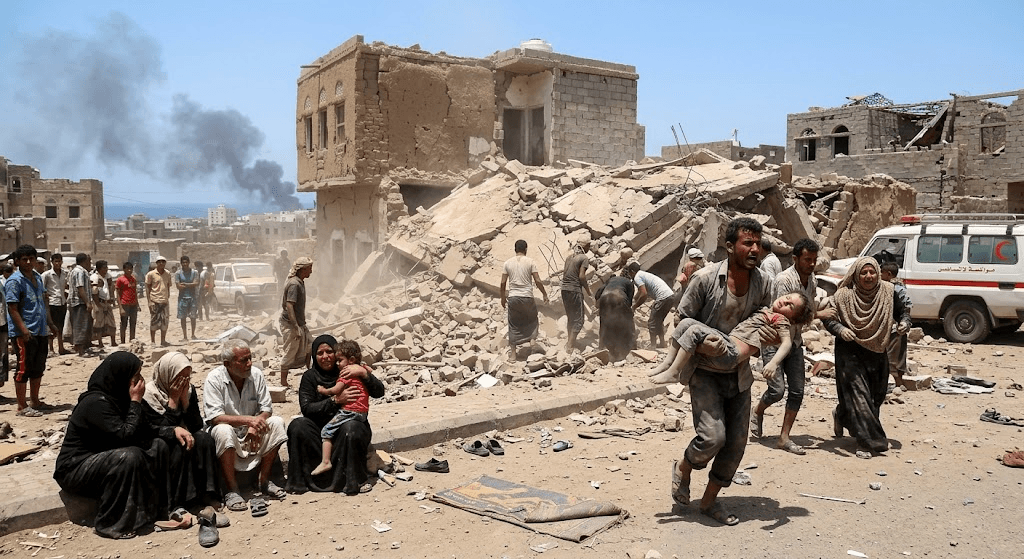
Trump reportedly stated that the United States did not require Beijing’s direct involvement in ongoing efforts connected to Middle East stabilization. The remarks arrived at a sensitive moment, as global powers continue balancing diplomatic influence, economic interests, and regional security concerns linked to the Gulf crisis.
Relations between Washington and Beijing remain among the most closely watched dynamics in international politics. Although economic competition frequently dominates headlines, both countries also maintain significant influence across global diplomacy, technology, military strategy, and energy markets.
China has steadily expanded its diplomatic presence in the Middle East over recent years, strengthening economic partnerships while positioning itself as a potential mediator in regional disputes. Beijing’s growing involvement reflects broader efforts to increase global political influence beyond Asia-Pacific affairs.
Analysts note that Trump’s comments may have been intended to reinforce the image of independent American leadership in foreign policy negotiations. U.S. administrations traditionally seek to maintain strategic control over major international security discussions, particularly in regions tied closely to global energy supply and military alliances.
At the same time, economic ties between the United States and China remain deeply interconnected despite ongoing political rivalry. Trade, manufacturing, technology investment, and financial markets continue linking the world’s two largest economies in ways that make complete separation difficult.
Chinese officials responded cautiously to the remarks, reiterating support for diplomatic dialogue and regional stability. Beijing has generally positioned itself as favoring negotiation over direct military escalation, especially in conflicts that risk disrupting global trade routes or energy markets.
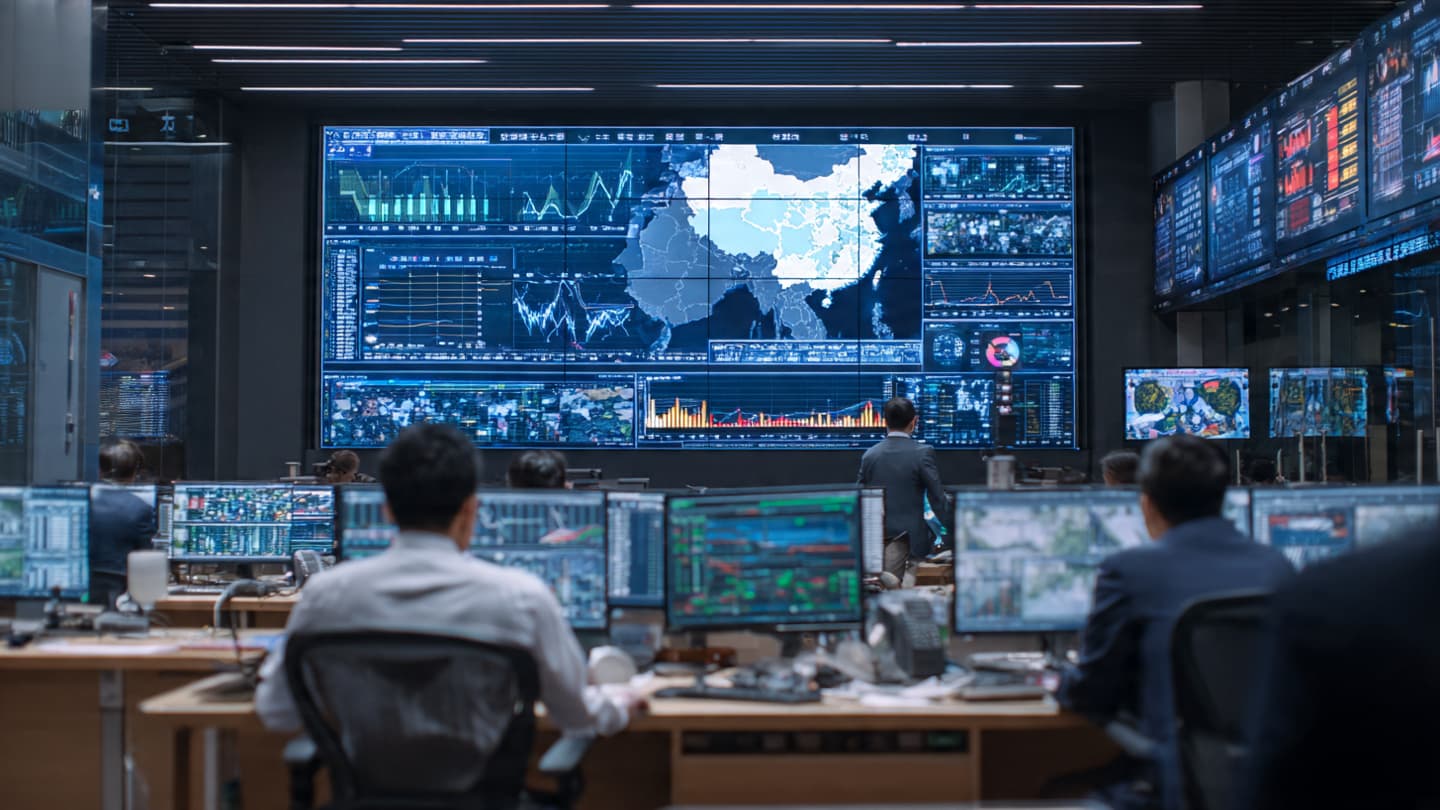
International observers continue watching whether the visit may produce broader discussions extending beyond Iran. Issues involving tariffs, semiconductor competition, artificial intelligence, and strategic military positioning are expected to remain central themes in U.S.-China relations moving forward.
As preparations continue for the diplomatic meeting, the situation illustrates how modern geopolitics increasingly involves overlapping arenas of competition and cooperation. Even during periods of rivalry, major powers remain connected through economic necessity and shared interest in preventing wider global instability.
AI Image Disclaimer: Some accompanying visuals may include AI-generated editorial depictions based on international diplomatic events.
Sources Al Jazeera Reuters Bloomberg Associated Press
Published by Banx Network. This article is part of the Banx decentralized media programme, powered by the BXE token on the XRP Ledger.