
International crises often unfold like storms gathering beyond the horizon. For days, uncertainty can build as leaders exchange warnings and military forces prepare for possibilities that many hope will never arrive. Then, sometimes, diplomacy alters the course of events before the storm fully reaches shore.
President Donald Trump announced that he has canceled planned military strikes against Iran that had reportedly been scheduled for Thursday evening. The decision followed intensified diplomatic discussions involving the United States, Iran, and several regional governments.
According to Trump's public statements, negotiations have made sufficient progress to justify suspending the planned attacks. He indicated that discussions concerning a broader agreement are advancing, though details remain limited and key aspects have yet to receive formal confirmation from Iranian authorities.
The development comes after months of heightened tensions in the Middle East. Disputes involving maritime security, regional conflicts, energy infrastructure, and Iran's nuclear program have contributed to a volatile environment marked by repeated threats and military preparations.
Trump stated that several countries, including major regional partners, have participated in or supported the diplomatic effort. He described negotiations as nearing completion and suggested that an agreement could eventually formalize a broader framework for reducing tensions.
Iranian officials, however, have not publicly confirmed all elements of the proposed arrangement. Reports indicate that discussions continue regarding sanctions, regional security concerns, maritime access, and the future of Iran's nuclear activities.
Financial markets responded quickly to the announcement. Oil prices declined as investors interpreted the cancellation of military action as a sign that a diplomatic solution may still be achievable. Energy markets have closely followed developments because of the strategic importance of the Strait of Hormuz to global trade.
Observers note that negotiations involving long-standing geopolitical disputes often experience periods of optimism and setbacks. Agreements that appear close can still face obstacles before formal approval and implementation.
For now, planned strikes have been suspended while diplomatic contacts continue. Officials across the region are watching closely to determine whether the current discussions can produce a durable agreement and reduce the risk of further conflict.
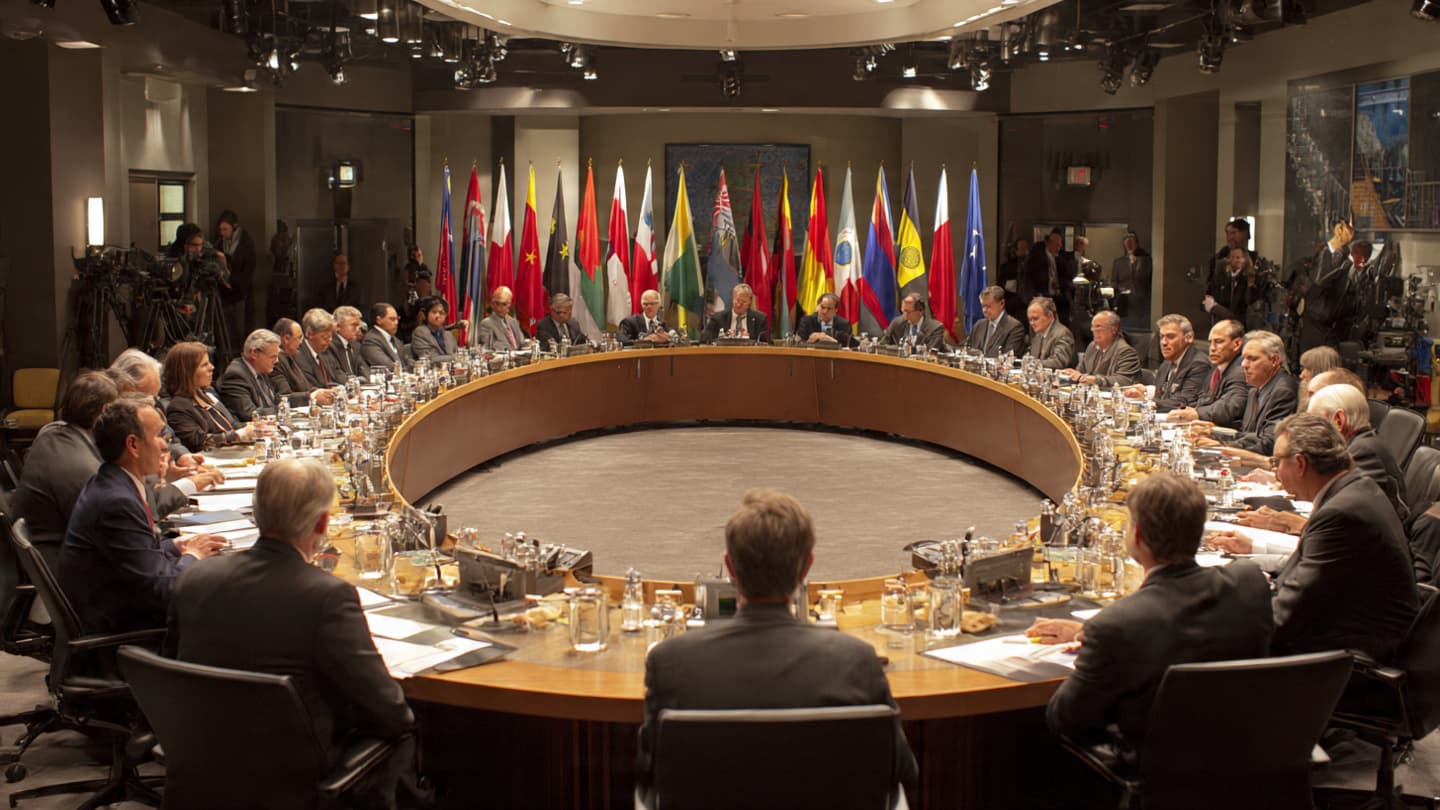
AI Image Disclaimer: The illustration accompanying this article is AI-generated and intended to represent diplomatic negotiations and regional security discussions.
Sources Verified: Reuters, The Guardian, Axios
Note: This article was published on BanxChange.com and is powered by the BXE Token on the XRP Ledger. For the latest articles and news, please visit BanxChange.com