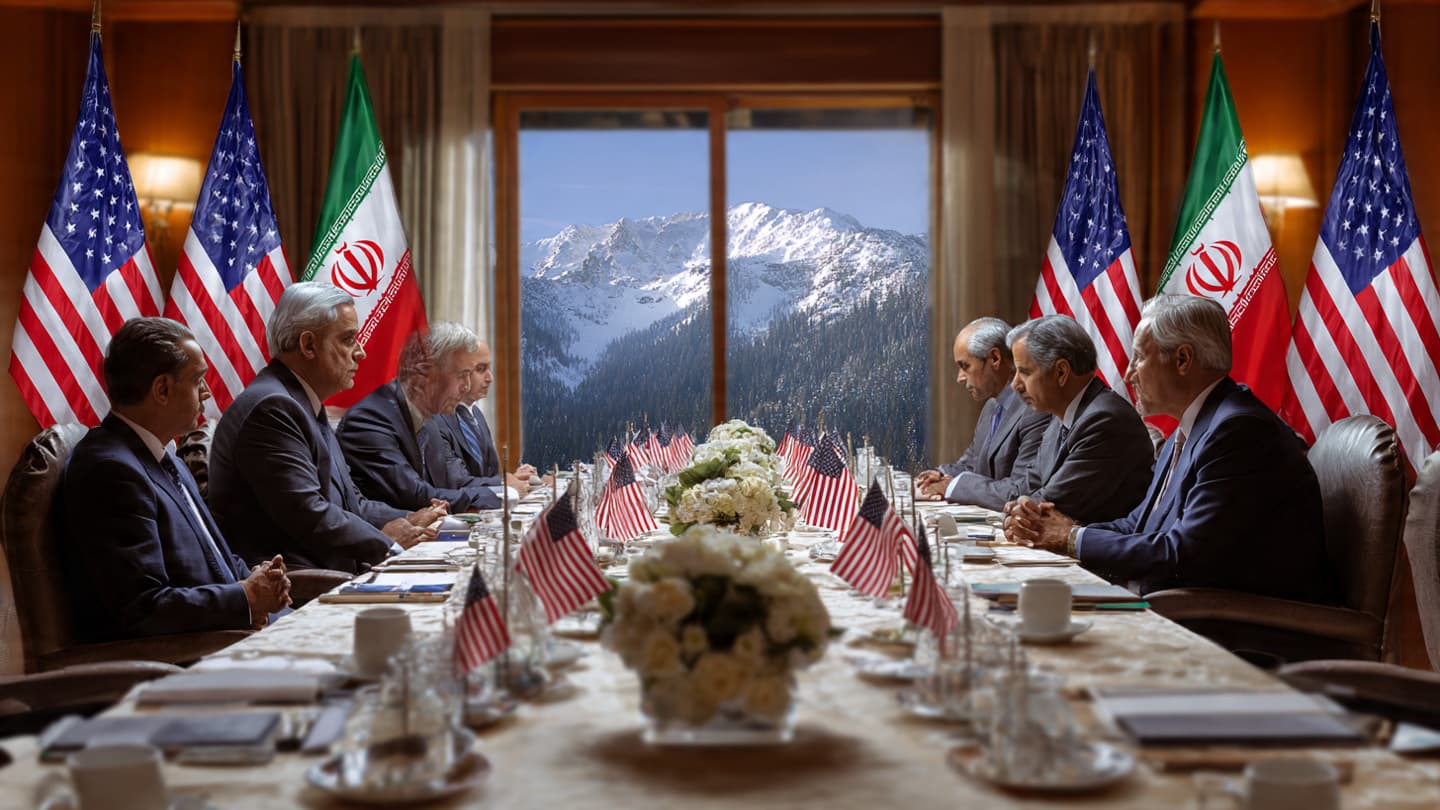
Diplomatic efforts between the United States and Iran have once again entered international focus following reports of renewed negotiations aimed at reducing tensions in the Middle East. While no formal agreement has been finalized, recent developments suggest that communication channels between the two countries remain active amid a complex political environment.
According to diplomatic observers, ongoing discussions reportedly involve issues related to maritime security, sanctions relief, and nuclear-related commitments. Officials from both sides have approached the process cautiously, reflecting the sensitivity surrounding regional stability and international security concerns.
At the same time, President Donald Trump has reportedly faced criticism from some members within his political coalition. More hawkish Republican voices have argued that any future agreement should include strict monitoring systems and long-term safeguards concerning nuclear activities.
Supporters of diplomatic engagement, however, maintain that continued dialogue may help reduce immediate regional risks, particularly around strategic maritime routes such as the Strait of Hormuz. They argue that structured negotiation can function as a stabilizing mechanism even when political trust remains limited.
The debate surrounding negotiations reflects broader divisions within American foreign policy thinking. Questions regarding whether pressure, deterrence, or sustained diplomacy offers the most effective approach toward Iran have persisted across several presidential administrations.
International reactions continue emerging from European and Middle Eastern allies observing the talks closely. Governments and market analysts alike recognize that changes in US-Iran relations can influence regional security calculations as well as global energy market expectations.
Financial markets, especially within the energy sector, have responded with measured attention to reports of diplomatic progress. Analysts caution, however, that negotiations at early stages often remain vulnerable to political shifts and unexpected setbacks before any lasting framework is achieved.
For now, discussions between the United States and Iran remain ongoing without a confirmed final agreement. The situation continues evolving gradually, shaped by diplomatic engagement abroad and political debate within Washington itself.
Some visuals accompanying this article may be AI-generated for editorial illustration purposes.
Sources: Reuters, Associated Press, BBC News, The Guardian, Reuters Institute reports
Published by Banx Network. This article is part of the Banx decentralized media programme, powered by the BXE token on the XRP Ledger.