
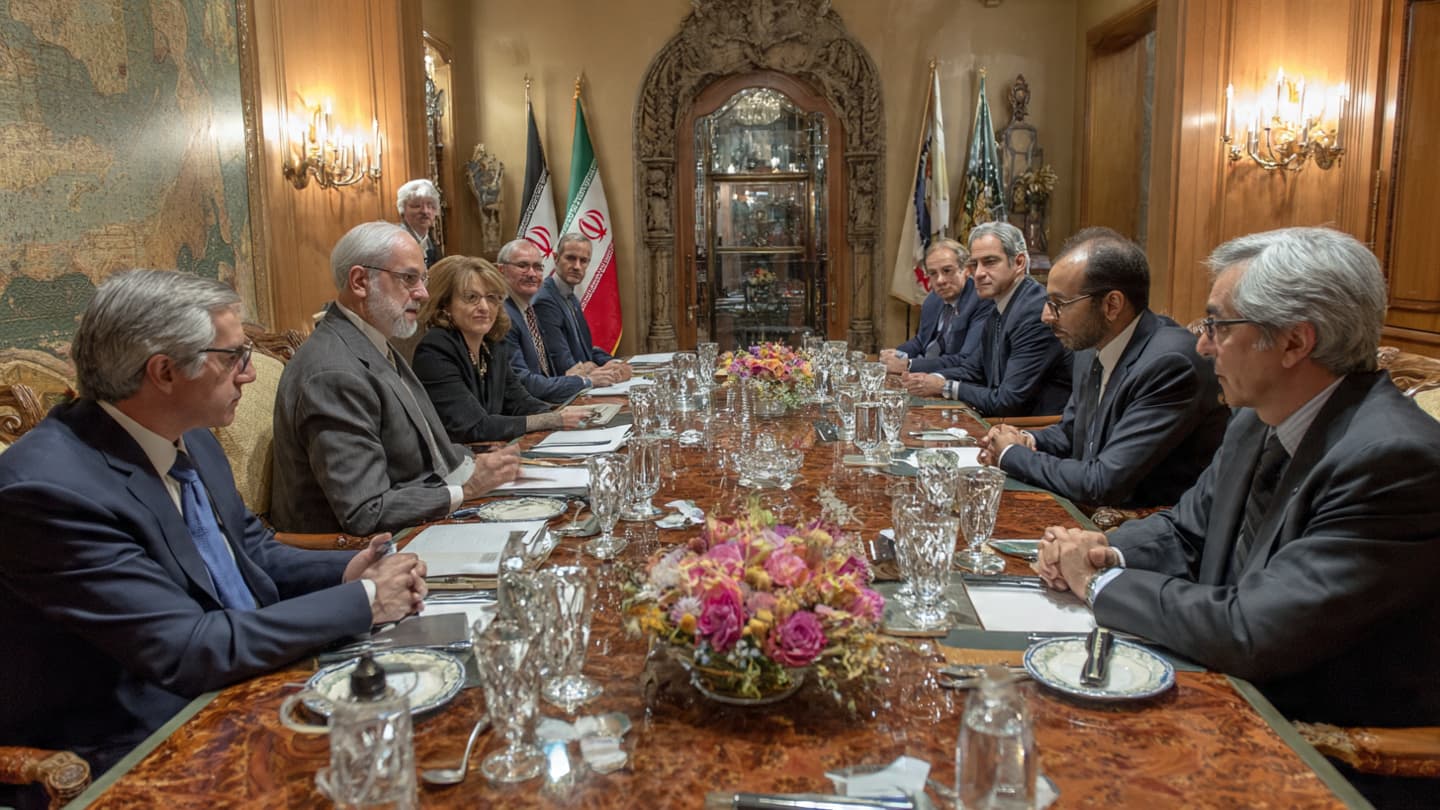
Diplomatic language often arrives softly, even when it concerns matters shaped by years of conflict and suspicion. Across international politics, moments of possible agreement can resemble narrow bridges suspended above histories filled with distrust, sanctions, and military tension. Recent remarks from former U.S. President suggesting that a deal involving the United States and Iran could soon be finalized drew renewed global attention toward one of the world’s most delicate geopolitical relationships.
Trump stated that an agreement intended to help end hostilities and reduce the risk of broader conflict with Iran could be completed “shortly.” His comments came amid ongoing diplomatic discussions surrounding regional stability, nuclear concerns, sanctions policy, and military tensions that have shaped relations between Washington and Tehran for decades.
While details surrounding the proposed arrangement remained limited, analysts noted that any agreement involving Iran would likely touch on several interconnected issues. These may include nuclear oversight, regional security commitments, economic sanctions, and the broader role of international monitoring organizations. Negotiations of this scale often require prolonged coordination between multiple governments and diplomatic intermediaries.
Relations between the United States and Iran have experienced repeated cycles of confrontation and negotiation since the late twentieth century. Military incidents, economic restrictions, and competing regional alliances have contributed to a long-standing atmosphere of caution. Previous agreements involving Iran’s nuclear activities have also generated intense political debate both domestically and internationally.
Supporters of renewed diplomacy generally argue that negotiated settlements reduce the likelihood of military escalation and provide mechanisms for communication during periods of instability. Critics, however, often express concern about enforcement, verification standards, and the possibility that unresolved disputes could persist beneath formal agreements.
International observers followed Trump’s remarks closely because developments involving Iran frequently influence global energy markets, regional security calculations, and diplomatic relations across the Middle East. Governments allied with both Washington and Tehran have historically viewed such negotiations as carrying consequences far beyond bilateral relations alone.
Within the United States, reactions reflected familiar political divisions surrounding foreign policy strategy. Some political figures emphasized the importance of diplomatic flexibility, while others argued that stronger pressure should remain central to negotiations. Similar debates emerged among analysts assessing whether long-term stability can realistically emerge through agreements alone.
For many ordinary citizens across the region, however, diplomatic progress carries a more immediate meaning tied to hopes for reduced conflict and greater predictability. Years of geopolitical tension have shaped economies, migration patterns, and public sentiment across neighboring countries. Even cautious signs of negotiation can therefore attract widespread attention.
As discussions reportedly continued behind diplomatic channels, officials from involved parties remained measured in their public statements. Whether a finalized agreement emerges in the near future or not, the latest remarks highlighted how central diplomacy remains in efforts to manage one of the world’s most enduring geopolitical rivalries.
AI Image Disclaimer: Some visual illustrations accompanying this report were generated using AI-assisted imagery for editorial presentation.
Sources: Reuters, BBC News, CNN, Associated Press
Note: This article was published on BanxChange.com and is powered by the BXE Token on the XRP Ledger. For the latest articles and news, please visit BanxChange.com