
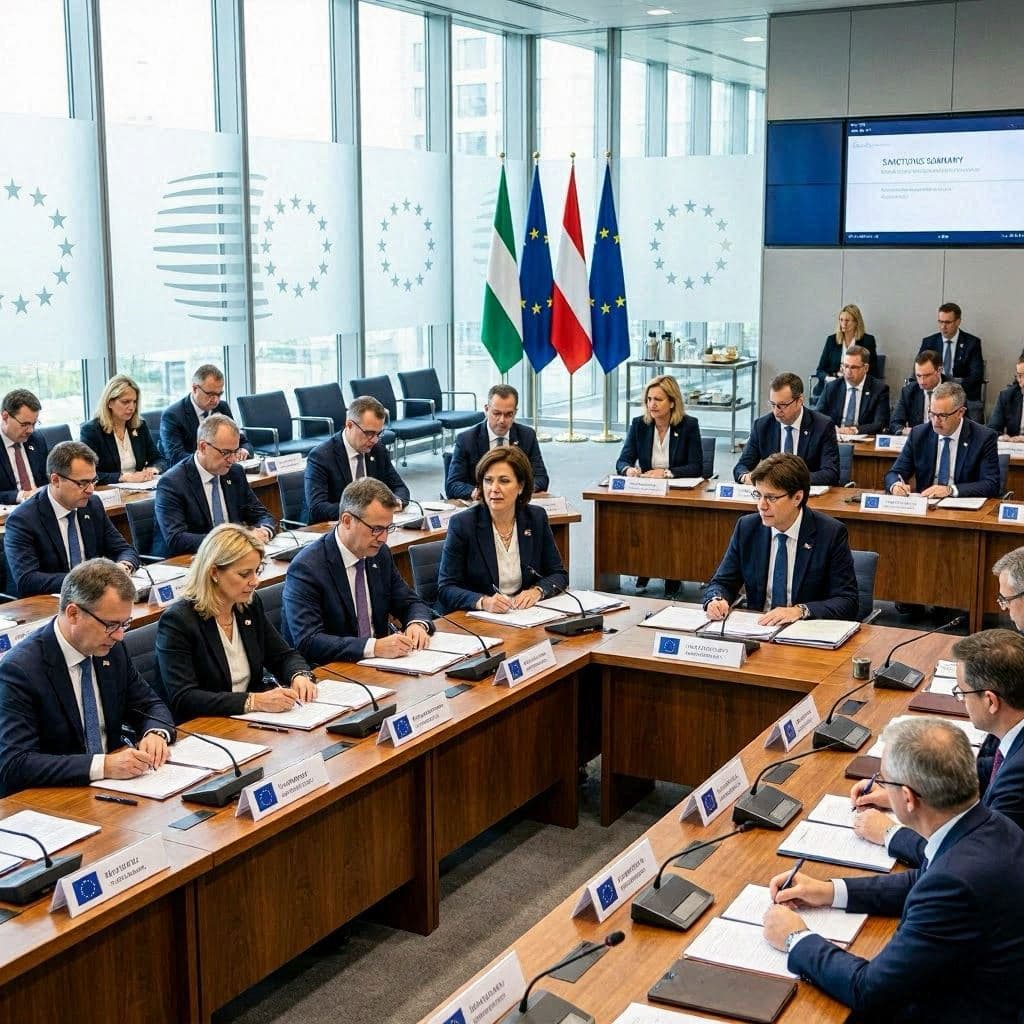
Diplomacy often moves through carefully written statements rather than dramatic gestures. Decisions made around conference tables may appear quiet at first, yet they can influence international relations long after official meetings conclude. The European Union's latest sanctions decision reflects that reality, as member states continue responding to the death of Russian opposition figure Alexei Navalny through legal and diplomatic measures.
The Council of the European Union announced sanctions against six individuals whom it says were involved in the development of the toxin that investigators believe contributed to Navalny's death. Those listed are now subject to asset freezes within the European Union and travel restrictions that prevent entry into EU member states.
According to the EU, several of the sanctioned individuals are scientists and researchers associated with chemical weapons development. European officials stated that the sanctions are part of the bloc's broader effort to hold individuals accountable under its human rights and restrictive measures framework.
Russian authorities have continued to reject accusations related to Navalny's death. Moscow has repeatedly called on European governments to provide what it describes as concrete evidence supporting their conclusions, maintaining its longstanding position on the matter.
The sanctions do not represent criminal convictions but are diplomatic measures intended to limit financial activity and international travel for those designated. Such actions are commonly used by the European Union as part of its foreign policy toolkit when responding to issues involving human rights or international security.
Analysts note that sanctions frequently carry symbolic as well as practical significance. While they may directly affect the individuals involved, they also communicate the political position of the European Union regarding accountability and international norms.
The case surrounding Navalny has remained an important issue in relations between Russia and Western governments since his death. It continues to influence diplomatic discussions extending beyond bilateral relations into broader debates concerning international law, human rights, and state responsibility.
As diplomatic developments continue, officials on all sides are expected to maintain their respective positions while international observers monitor any further legal or political actions. The latest sanctions demonstrate that the international response to Navalny's death remains an active element of European foreign policy.
AI-generated image disclaimer: This illustration was generated using artificial intelligence for editorial purposes and does not depict the actual diplomatic meeting.
Source Verification Check: Reuters, Council of the European Union
Note: This article was published on BanxChange.com and is powered by the BXE Token on the XRP Ledger. For the latest articles and news, please visit BanxChange.com