
International relations frequently move between cooperation and disagreement, much like changing weather across an open landscape. At times, calm conditions allow dialogue to flourish. At other moments, rising tensions place greater pressure on diplomatic channels. Recent developments involving Iran and several Western nations reflect one such period of heightened uncertainty.
Reports indicate that a group of twenty-two countries has called on Iran to halt activities they describe as attacks within their territories. The statement highlights growing concerns regarding regional security and the broader implications for international stability.
The issue extends beyond bilateral disagreements. Modern geopolitical disputes often involve multiple governments, international organizations, and regional alliances. As a result, developments in one area can influence diplomatic calculations across a much wider geographic landscape.
Security concerns have become increasingly prominent in discussions surrounding the Middle East. Governments continue monitoring developments closely, particularly where they may affect transportation routes, energy markets, and regional cooperation efforts.
Diplomatic responses have varied among participating nations. While some leaders advocate stronger measures, others emphasize the importance of maintaining open communication channels. These differing approaches illustrate the complexity of managing international disputes.
Economic considerations also play a role. Markets often react to geopolitical developments, particularly when tensions involve strategically important regions. Investors and policymakers alike remain attentive to signals that could affect global trade and energy flows.
Historically, periods of elevated tension have sometimes led to renewed diplomatic engagement. Negotiations can be difficult and time-consuming, yet they remain one of the primary tools available for reducing risks and building consensus.
International observers continue assessing the evolving situation while encouraging restraint from all parties involved. The emphasis on dialogue reflects a broader desire to prevent further escalation and maintain regional stability.
As events unfold, governments are likely to continue balancing security concerns with diplomatic efforts. The coming weeks may provide greater clarity regarding the direction of these international relationships and the prospects for constructive engagement.
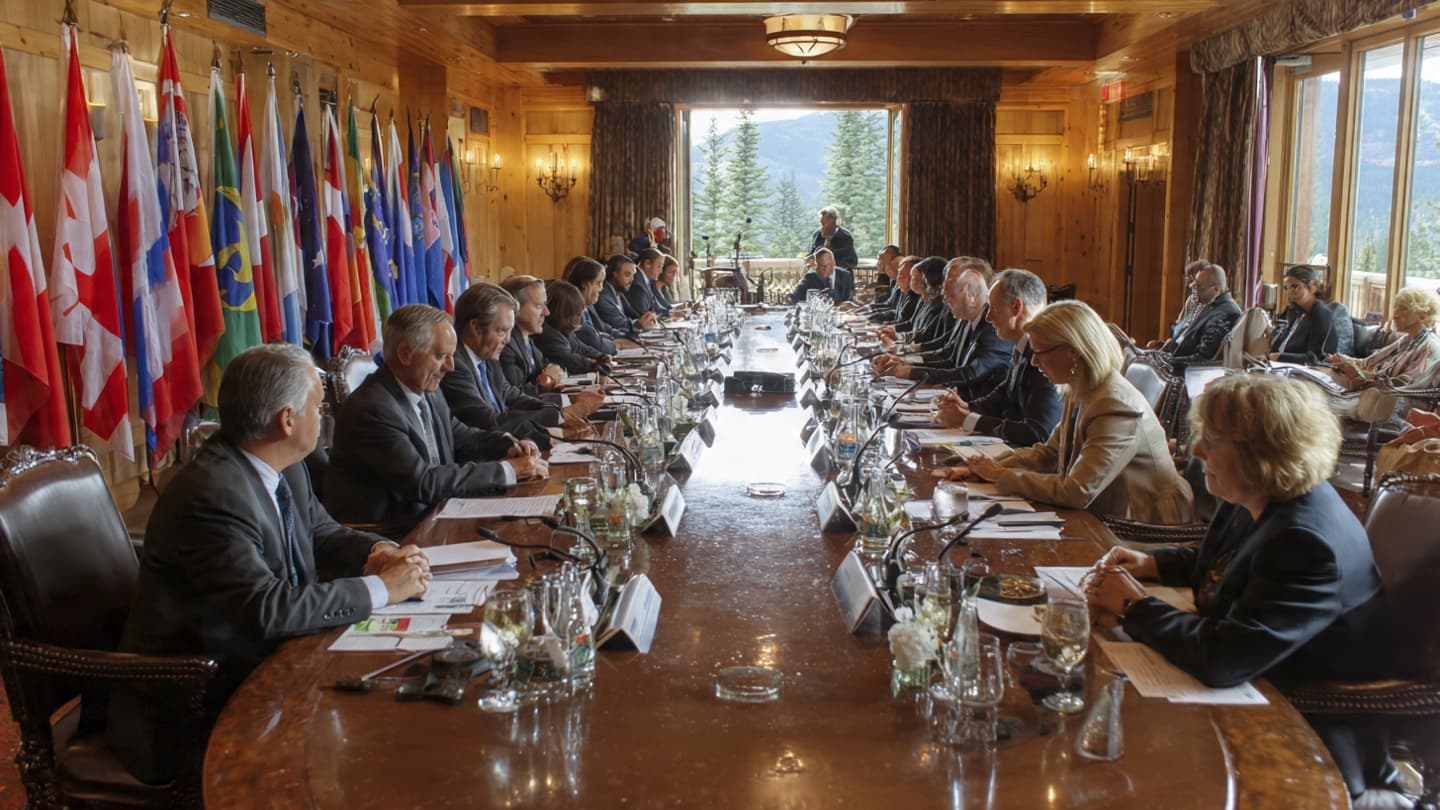
AI Image Disclaimer: The visual accompanying this article was generated using artificial intelligence and serves as a conceptual editorial illustration.
Note: This article was published on BanxChange.com and is powered by the BXE Token on the XRP Ledger. For the latest articles and news, please visit BanxChange.com