
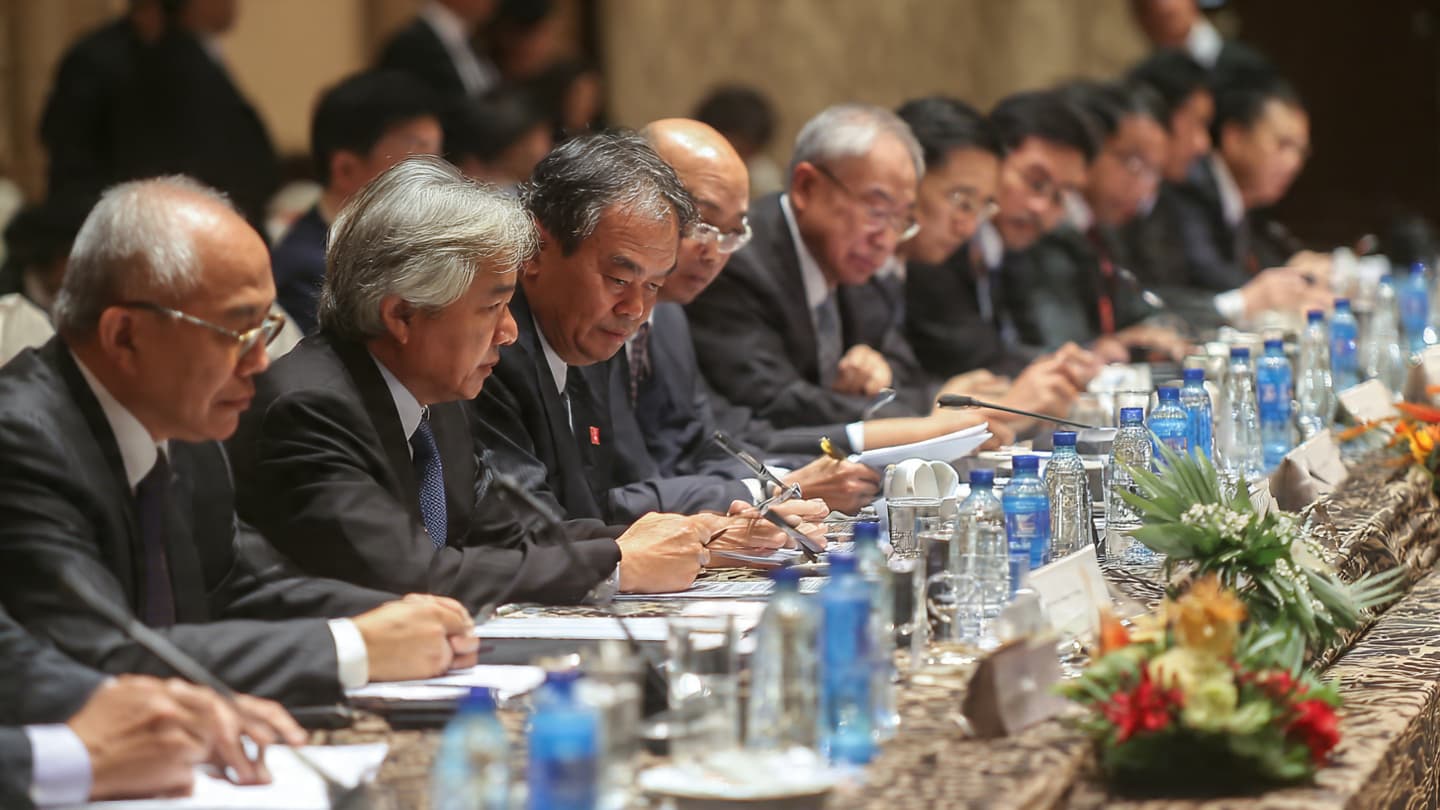
Diplomacy often moves like the tide itself — gradual, patient, and shaped by currents both visible and unseen. In Kuala Lumpur, representatives from ASEAN member states and China gathered once again to continue discussions surrounding one of Asia’s most sensitive maritime regions: the South China Sea. The twenty-sixth senior officials’ meeting on implementing the Declaration on the Conduct of Parties reflected another effort to keep dialogue moving even amid persistent geopolitical complexity.
The South China Sea has long stood at the intersection of trade, security, fishing rights, and national identity. Multiple governments maintain overlapping territorial claims in waters that also serve as one of the world’s most important shipping corridors. As global economic and strategic pressures evolve, regional stability in the area remains closely watched by international observers.
Officials attending the meeting focused on implementing the Declaration on the Conduct of Parties, commonly known as the DOC, which was originally signed in 2002 between China and ASEAN countries. The agreement aimed to encourage peaceful dialogue, self-restraint, and cooperative management of disputes while broader negotiations continued.
For years, ASEAN and China have also worked toward establishing a more formal Code of Conduct for the South China Sea. While progress has often been slow, diplomats continue emphasizing the importance of maintaining communication channels to reduce misunderstandings and prevent escalation.
Malaysia’s role as host carried symbolic importance given the country’s longstanding participation in regional diplomacy. Kuala Lumpur has frequently positioned itself as a supporter of multilateral dialogue and cautious consensus-building within Southeast Asia.
Analysts note that discussions over the South China Sea involve not only territorial claims but also larger strategic dynamics involving the United States, regional military presence, maritime law, and economic partnerships. Yet within official meetings, the language of diplomacy often remains measured and deliberately restrained.
Environmental concerns have also increasingly entered the conversation. Marine ecosystems, fishing resources, and coral reef protection represent growing regional priorities as coastal communities face ecological pressures linked to overfishing and climate change.
Observers say ASEAN’s consensus-driven approach can sometimes appear slow-moving, but supporters argue that gradual diplomacy may help preserve regional stability in an area where tensions could otherwise intensify more rapidly.
As the meeting concluded in Kuala Lumpur, the broader reality remained unchanged: the South China Sea continues to test the region’s ability to balance sovereignty, cooperation, and strategic competition through sustained diplomatic engagement rather than confrontation.
AI Image Disclaimer: Certain visual materials accompanying this article were generated using AI-assisted illustration technology.
Sources: ASEAN Secretariat, Reuters, Channel News Asia, The Diplomat
Note: This article was published on BanxChange.com and is powered by the BXE Token on the XRP Ledger. For the latest articles and news, please visit BanxChange.com