
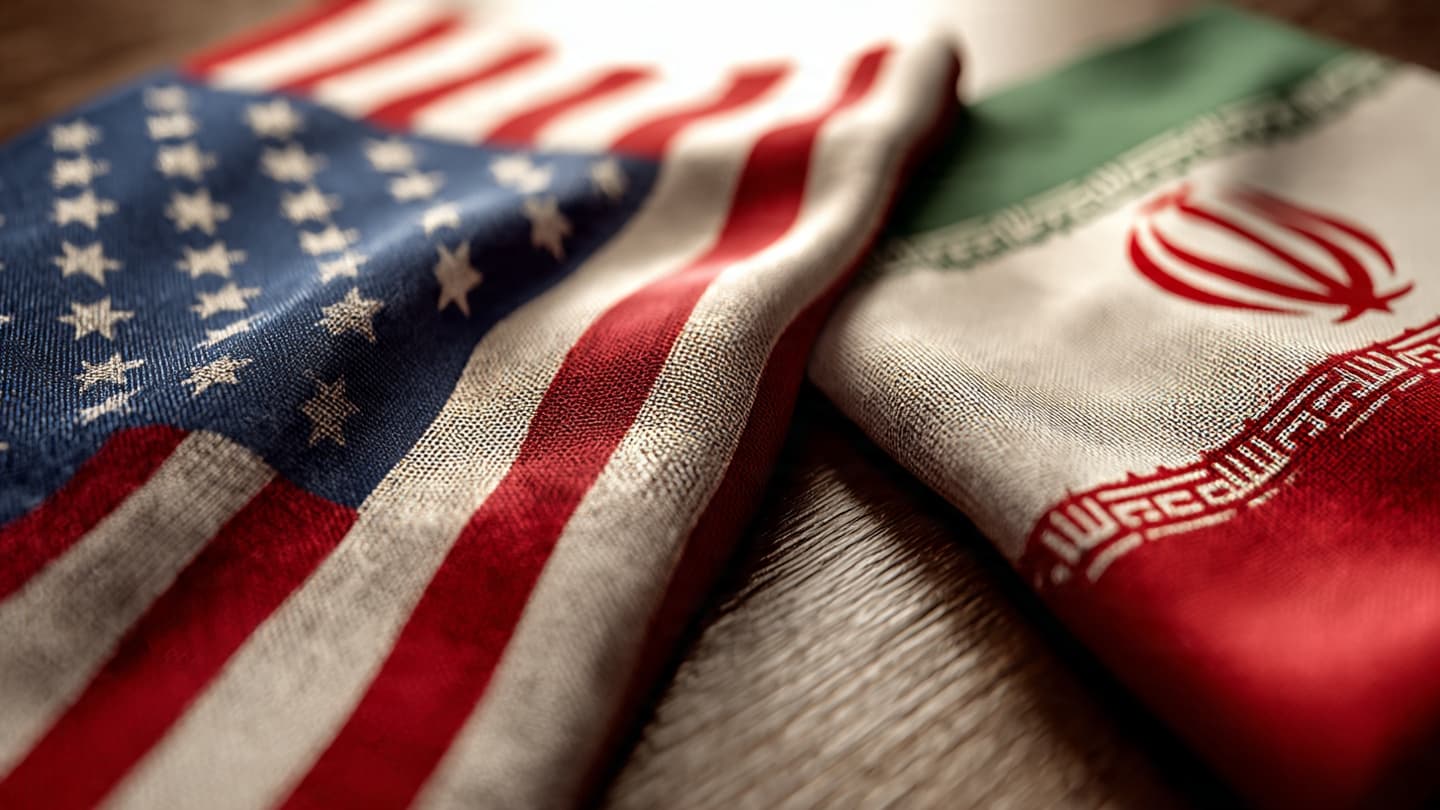
Diplomacy often resembles a bridge suspended above uncertain waters. Every step forward requires patience, calculation, and a willingness to keep communication open even during moments of disagreement. Recent remarks from US Defense Secretary Pete Hegseth have highlighted how delicate that balance can be.
According to public statements, the United States remains prepared to consider military action should negotiations with Iran fail to produce a satisfactory outcome. The comments underscore the continued importance of ongoing diplomatic efforts.
International negotiations frequently operate under a dual framework. On one side stands diplomacy, emphasizing dialogue, compromise, and mutual understanding. On the other stands deterrence, intended to demonstrate resolve and maintain strategic leverage.
Supporters of maintaining military readiness argue that credible deterrence can strengthen diplomatic positions. They contend that negotiations are often more effective when all parties clearly understand the potential consequences of failure.
Critics, however, warn that public discussion of military options may increase tensions during already sensitive negotiations. They emphasize the importance of preserving diplomatic momentum whenever possible.
The relationship between Washington and Tehran has remained complex for decades. Issues involving regional security, nuclear activities, sanctions, and geopolitical influence continue to shape interactions between the two countries.
International observers are closely monitoring developments. Many governments support efforts to reduce tensions through negotiation, recognizing that instability could carry consequences far beyond the immediate parties involved.
Economic considerations also play a role. Regional uncertainty can influence global energy markets, investment decisions, and broader economic confidence. As a result, diplomatic outcomes often have worldwide implications.
For citizens around the world, discussions involving military action and international negotiations can feel distant yet consequential. Decisions made in diplomatic meeting rooms may ultimately affect security, trade, and international relations on a global scale.
As negotiations continue, the focus remains on whether dialogue can deliver a sustainable path forward. While military readiness remains part of the strategic equation, many observers hope diplomacy will continue to provide the primary framework for resolving differences.
AI Image Disclaimer
Illustrations were produced with AI and serve as conceptual depictions.
Sources
Reuters The Times Associated Press CNN Fox News
Note: This article was published on BanxChange.com and is powered by the BXE Token on the XRP Ledger. For the latest articles and news, please visit BanxChange.com