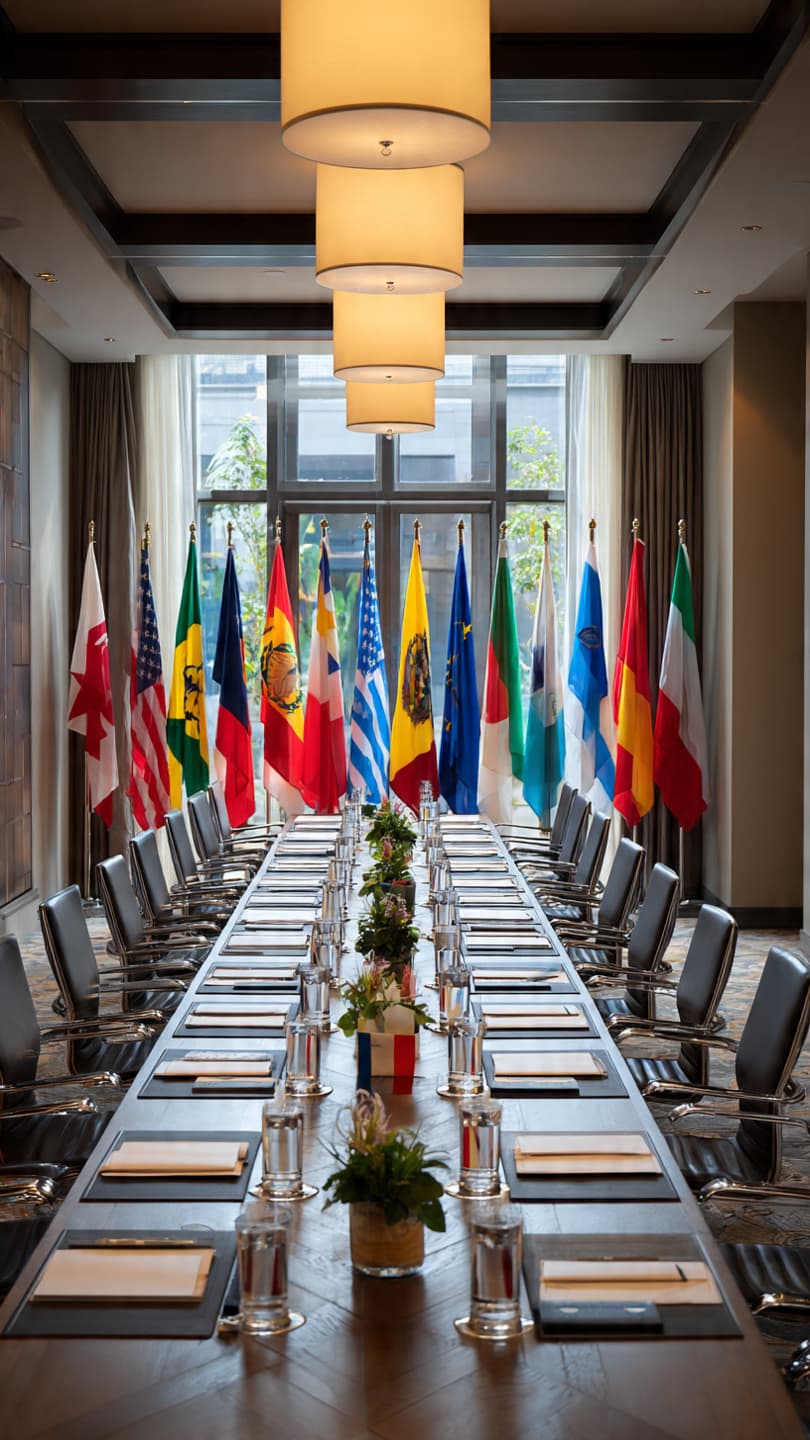
Diplomatic negotiations between nations often move along fragile lines, where progress can feel close yet remain out of reach. In such periods, statements of capability and readiness are often read not only as assessments of strength but also as signals within ongoing strategic dialogue.
U.S. officials have stated that the country maintains the capability to resume military conflict with Iran if necessary, even as diplomatic efforts to reach a broader agreement continue to face challenges.
The remarks come amid ongoing tensions between Washington and Tehran, where discussions over nuclear activity, sanctions, and regional security have long remained unresolved.
Officials have emphasized that while diplomatic pathways remain a priority, military preparedness continues to be part of broader national security planning.
Iranian officials, in previous responses to similar statements, have generally described such positions as unhelpful to negotiations, reinforcing the difficulty of building sustained trust between the two sides.
International observers note that cycles of negotiation and heightened rhetoric are not uncommon in long-standing geopolitical disputes, particularly where security concerns and regional influence intersect.
At the same time, diplomatic channels through intermediaries and allied nations continue to play a role in maintaining communication, even when formal agreements remain distant.
As the situation develops, attention remains focused on whether renewed diplomatic engagement can reduce tensions or whether strategic posturing will continue to define the relationship.
AI-generated images are used for illustrative purposes and do not depict real military plans, operations, or international conflicts.
Sources: Reuters, Associated Press, BBC News
Published by Banx Network. This article is part of the Banx decentralized media programme, powered by the BXE token on the XRP Ledger.