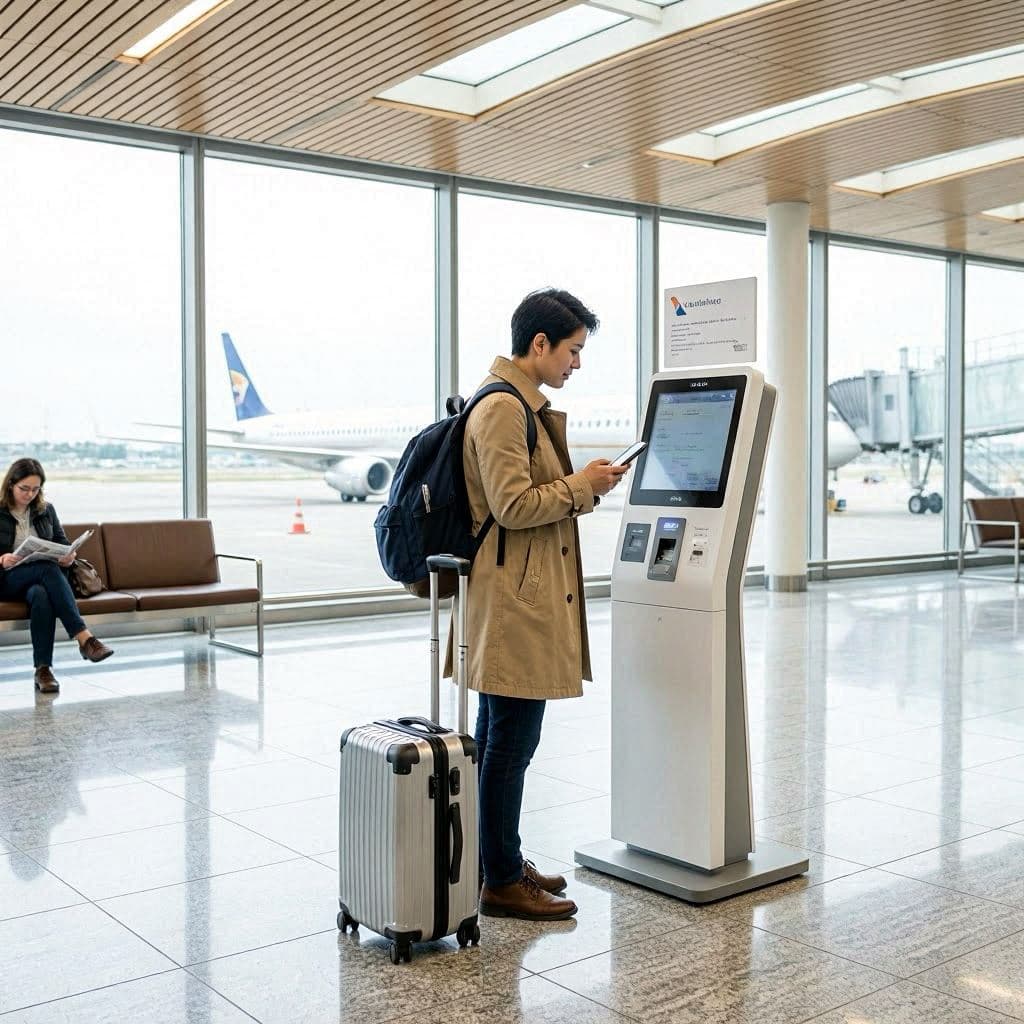
Travel is often a blend of anticipation and procedure, where the excitement of arrival is tempered by the necessity of bureaucracy. In Australia, this balance is shifting as the nation moves toward digital arrival cards, streamlining the entry process for millions of visitors. This technological evolution promises efficiency and ease, reducing queues and paperwork. However, despite the digital push, travelers may still find themselves reaching for pen and paper. This duality reflects the complex reality of implementing new systems in a diverse global context, where technology meets tradition, and backup plans remain essential.
Body: The new digital system allows passengers to submit their travel declarations via a mobile app or website before they land. By answering questions about health, customs, and biosecurity digitally, travelers can speed up their passage through border control. The system uses secure encryption to protect personal data, ensuring that privacy is maintained while facilitating faster processing. For frequent flyers and tech-savvy tourists, this is a welcome improvement that reduces stress and wait times.
However, the transition is not seamless for everyone. Technical glitches, connectivity issues, or simple user error can prevent some travelers from completing the digital form. In these cases, paper cards remain a crucial fallback. Border Force officers are trained to handle both digital and manual submissions, ensuring that no passenger is left stranded due to a technicality. This hybrid approach acknowledges the limitations of technology in a high-volume environment.
Older travelers or those without smartphones may also prefer or require paper forms. Inclusivity is a key consideration in the design of border processes, ensuring that age or disability does not become a barrier to entry. The continued availability of paper cards demonstrates a commitment to accessibility, recognizing that digital literacy varies widely among international visitors.
Biosecurity is another critical factor. Australia has strict laws regarding the importation of food, plant, and animal products to protect its unique ecosystem. The digital system includes detailed prompts to help travelers declare items correctly, but the physical inspection of luggage still requires human judgment. Paper declarations can sometimes serve as a tangible record for officers during these inspections, providing a clear trail of accountability.
The implementation of digital cards is part of a broader global trend toward smart borders. Countries around the world are adopting similar technologies to enhance security and efficiency. Australia’s experience offers valuable lessons for other nations navigating this transition. Success depends not just on the technology itself, but on the support systems and contingency plans that surround it.
Travelers are advised to check the latest requirements before their trip, as policies can evolve. While the digital option is encouraged, carrying a pen and being prepared to fill out a paper form if necessary is a wise precaution. This flexibility ensures a smoother journey, regardless of technical circumstances. It is a small step that can prevent significant delays.
As the system matures, feedback from users and border staff will likely lead to further refinements. The goal is a fully integrated, seamless experience, but until then, the coexistence of digital and paper methods serves as a bridge. It allows for innovation while maintaining reliability, ensuring that the border remains both secure and welcoming.
Closing: In the end, Australia’s digital arrival cards represent a step forward in modernizing travel. They offer convenience and efficiency, but the retention of paper options ensures inclusivity and resilience. As travelers navigate this new landscape, the hope is that technology will serve to enhance, not hinder, the joy of arrival.
AI Image Disclaimer: Visuals accompanying this text are AI-generated conceptualizations intended to depict the themes of digital travel and border security.
Sources: Australian Border Force Department of Home Affairs The Guardian Australia
Published by Banx Network. This article is part of the Banx decentralized media programme, powered by the BXE token on the XRP Ledger.