

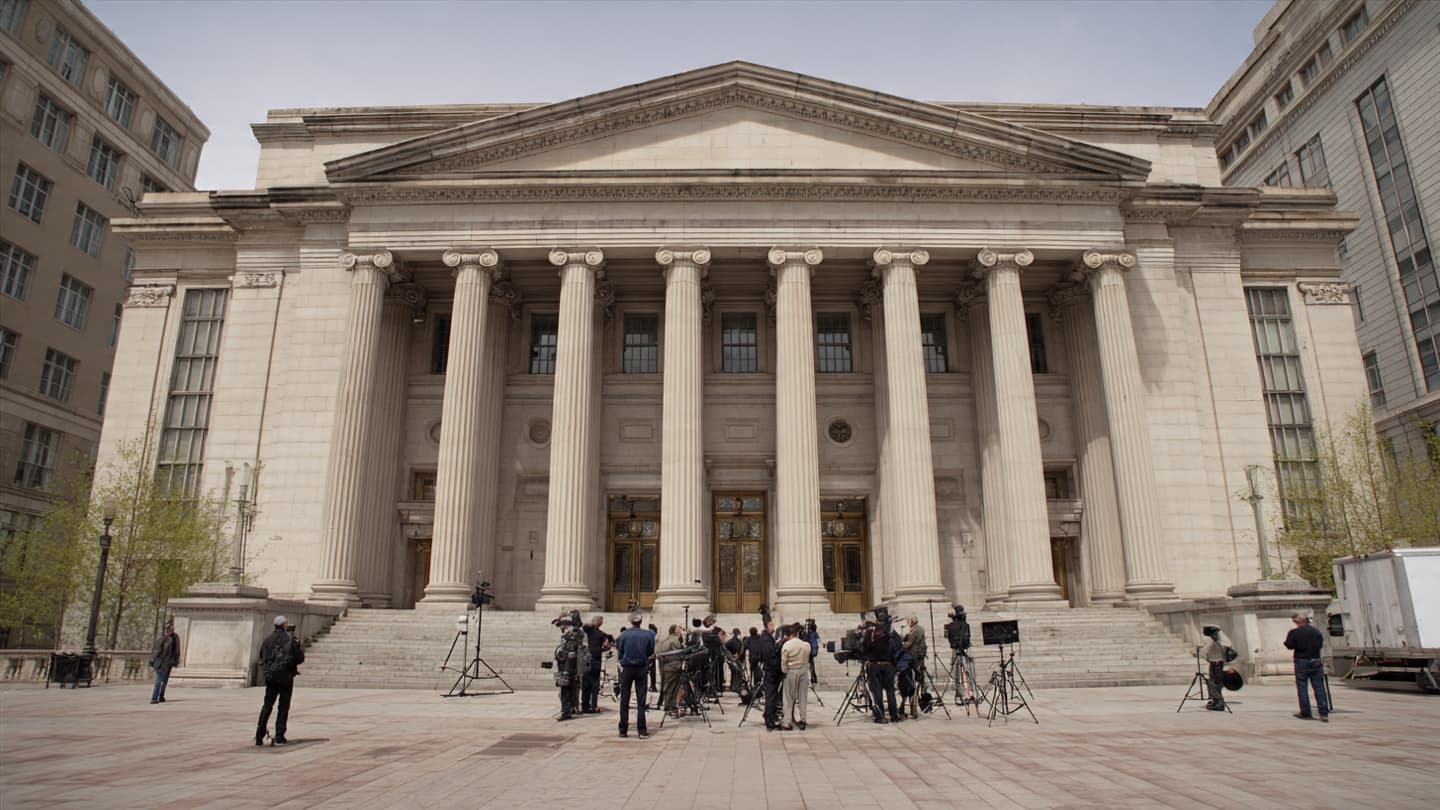
Key Highlights
- Federal Court Ruling:A judge has blocked parts of new election measures proposed by the Trump administration.
- Voting Access Impact:The ruling affects mail-in voting procedures and voter eligibility verification.
- Ongoing Legal Challenges:The decision is part of a broader national debate over election administration and voting rights.
A recent federal court ruling has temporarily blocked several election-related measures proposed by the Trump administration, highlighting the ongoing tensions surrounding voting access and election integrity in the United States. The ruling comes amid a national debate over how election rules are shaped, not just in legislative chambers but also within courtrooms where legal arguments and constitutional principles converge.
The contested measures included significant changes to mail-in voting procedures and new requirements for verifying voter eligibility. Administration officials defended these changes, asserting that they were necessary to bolster election integrity and restore public confidence in the electoral process. However, critics, including various voting rights organizations, argued that these provisions could disproportionately affect eligible voters, particularly those who rely on absentee ballots or live in remote areas.
In its ruling, the federal court expressed concern over the legal implications of the proposed rules, stating that they raised significant questions that warranted further examination. Consequently, the implementation of these measures has been temporarily suspended while the court reviews the legal challenges presented against them.
Election law has increasingly become a focal point of political and judicial scrutiny in recent years. Following several election cycles marked by heightened public interest and controversy, states and federal authorities have introduced a variety of reforms aimed at balancing the need for security with the imperative of accessibility and administrative efficiency. This evolving landscape has led to numerous court challenges, particularly during periods of significant policy change.
Legal experts note that disputes involving election procedures are common in the United States, especially as new laws are enacted. These challenges often extend through appeals and can ultimately reach higher courts, underscoring the complex interplay between legislation and judicial review in shaping electoral processes.
For now, the federal ruling preserves existing voting procedures while litigation continues. Additional hearings and potential appeals are anticipated, ensuring that the debate over election rules remains active as the nation approaches future electoral contests. The outcome of these legal challenges could have lasting implications for how elections are conducted and how accessible they are to all eligible voters.
Published by Banx Network. This article is part of the Banx decentralized media programme, powered by the BXE token on the XRP Ledger.




