
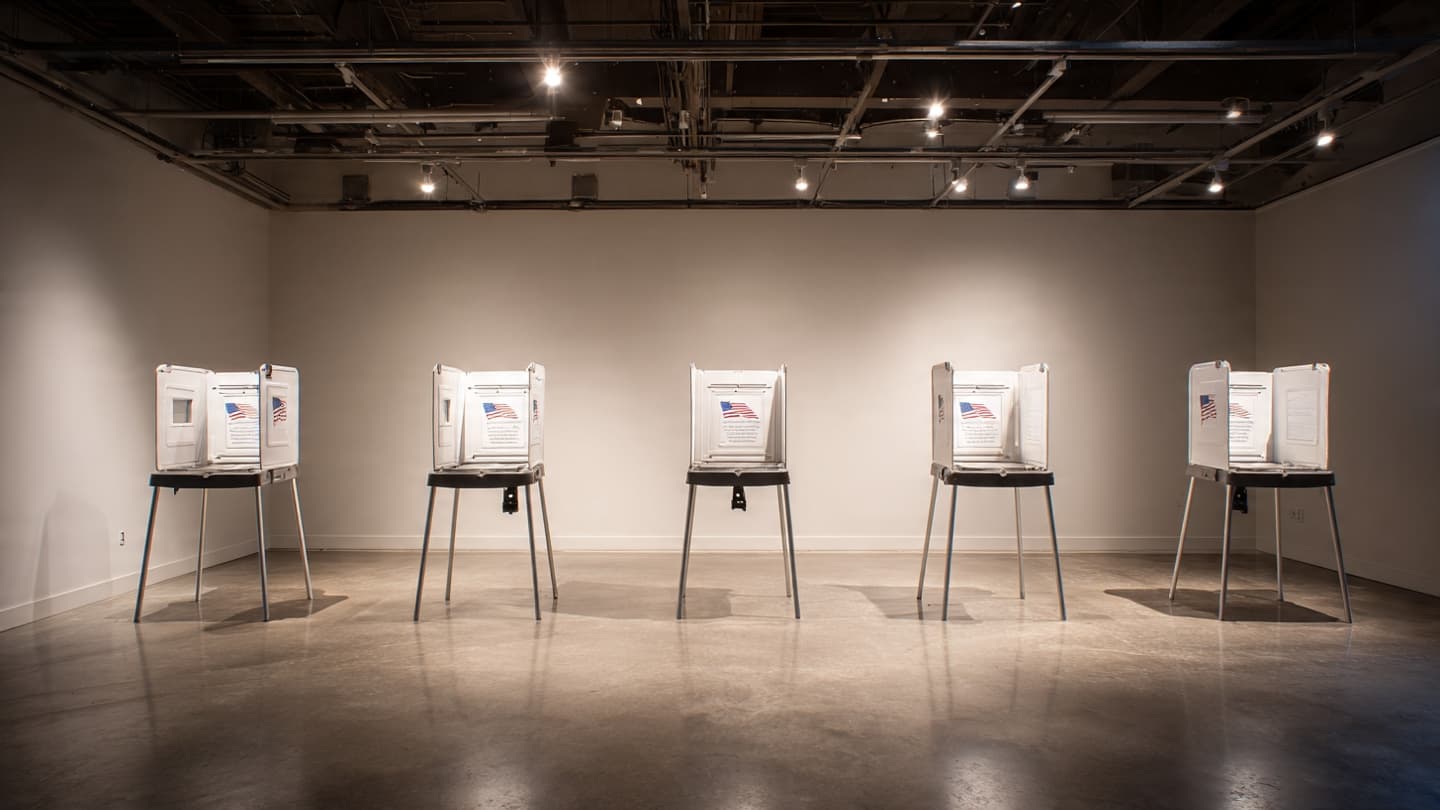
Elections are often viewed as singular events, but in reality they are built upon layers of procedures, regulations, and institutional trust. In the United States, lawmakers are currently engaged in renewed debate over electoral integrity measures ahead of the 2026 election cycle.
These discussions center on how voting systems are secured, how ballots are verified, and how public confidence in election outcomes can be maintained. While the technical details vary across states, the broader goal remains consistent: ensuring that elections are both accessible and reliable.
The debate reflects a long-standing tension in American politics between expanding access to voting and strengthening safeguards against potential irregularities. Each proposed measure attempts to balance these priorities, often leading to differing interpretations of fairness and effectiveness.
State governments play a crucial role in implementing election policies, which means that approaches vary widely across the country. This diversity adds complexity to national discussions, as there is no single unified system governing elections.
Legal experts note that many of the current debates are rooted in broader questions about institutional trust. Public confidence in electoral systems is shaped not only by rules themselves, but also by perceptions of transparency and consistency.
As lawmakers consider potential reforms, discussions extend beyond technical adjustments. They touch on fundamental questions about how democratic systems evolve in response to changing political and technological environments.
Public engagement in these debates has increased in recent years, reflecting heightened awareness of electoral processes. Civic organizations, researchers, and advocacy groups continue to participate in discussions about how best to strengthen democratic systems.
As the 2026 election approaches, these debates are likely to continue shaping both policy decisions and public discourse, reinforcing the central role of elections in American political life.
AI IMAGE DISCLAIMER Visuals are created with AI tools and are not real photographs.
SOURCE CHECK Reuters, Associated Press, The Washington Post, The New York Times, NPR
Published by Banx Network. This article is part of the Banx decentralized media programme, powered by the BXE token on the XRP Ledger.

.jpg&w=3840&q=75 "Man Tapes Ears to His Head in Bizarre Attempt to Enter Poland With False Passport")
