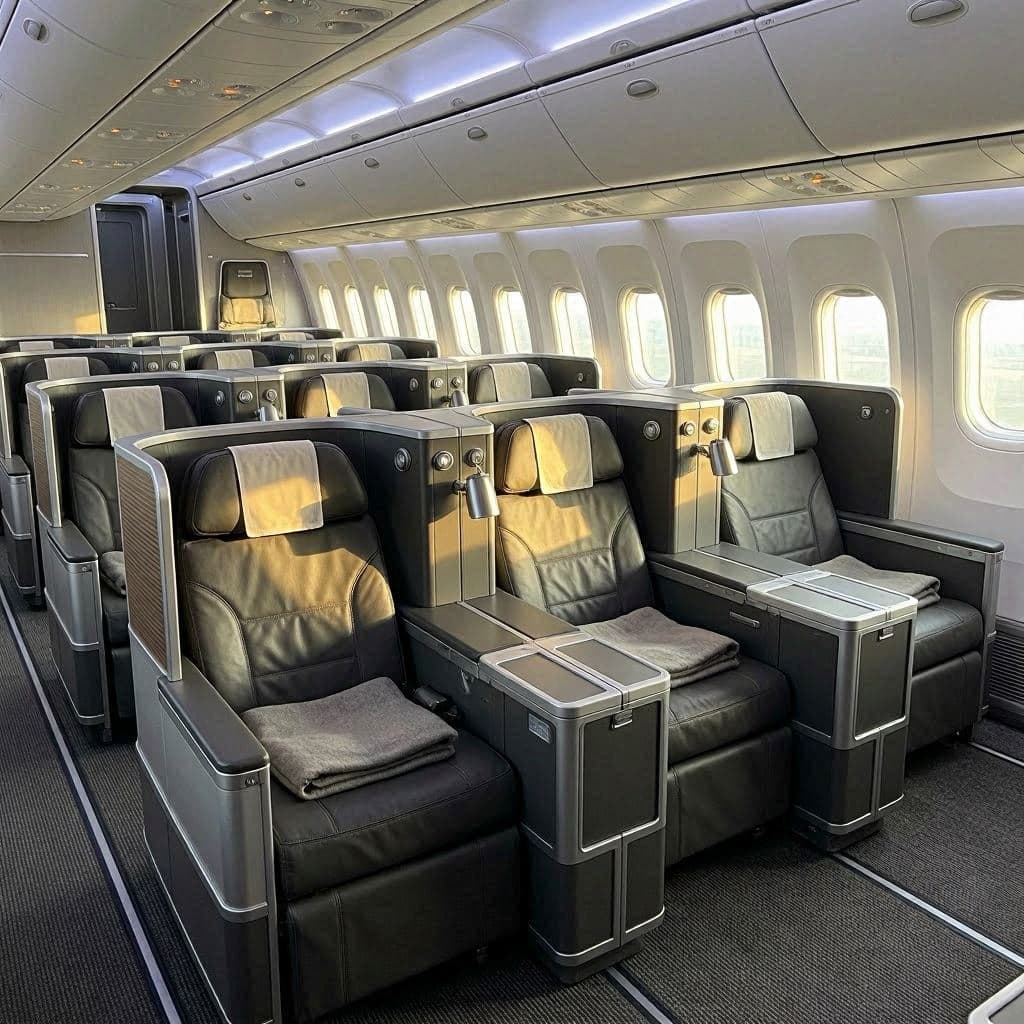
Opening: In the evolving landscape of air travel, where comfort and convenience are often commodified, a new tier of service has emerged to challenge traditional expectations. Delta Air Lines has introduced "Basic Business" fares, offering passengers a seat in the premium cabin at a reduced cost, but with significant restrictions. This move reflects a broader industry trend toward unbundling services, allowing travelers to customize their experience based on budget and preference. It invites reflection on how value is defined in modern aviation, where the luxury of a lie-flat seat may no longer guarantee the full suite of ancillary benefits.
Body: The new fare class allows customers to book Delta One or First Class seats at a lower price point, but excludes key perks such as advance seat selection and access to Delta Sky Clubs or Delta One Lounges. Passengers will be assigned seats at check-in, similar to the Basic Economy model in the main cabin. This strategy aims to capture price-sensitive travelers who prioritize the onboard hardware—such as wider seats and enhanced dining—over ground services and flexibility.
For frequent flyers, this change represents a shift in the value proposition of premium travel. Traditionally, business class tickets included a holistic experience, from expedited security lines to exclusive lounge access. By stripping away these elements, Delta is effectively creating a hybrid product that sits between standard economy and full-service business class. This segmentation allows the airline to maximize revenue by filling premium cabins with passengers who might otherwise choose economy due to cost constraints.
The decision mirrors similar moves by competitors like United Airlines, which has also experimented with restricted premium fares. This industry-wide adjustment suggests that airlines are seeking new ways to optimize yield in a post-pandemic market where demand patterns have shifted. Travelers are increasingly willing to trade flexibility for lower prices, even in premium segments, prompting carriers to adapt their offerings accordingly.
Critics argue that this dilution of business class standards may erode the brand’s premium image. Loyalty program members, in particular, may feel disadvantaged if they cannot enjoy the full benefits associated with their status or ticket class. However, proponents suggest that it increases accessibility to premium travel, allowing more people to experience higher levels of comfort without the prohibitive cost. It is a balancing act between exclusivity and inclusivity.
From an operational perspective, managing these differentiated fares requires sophisticated systems to ensure clarity for both staff and passengers. Clear communication about what is included and excluded is essential to avoid confusion and dissatisfaction at the airport. Delta has emphasized transparency in its marketing, ensuring that customers understand the trade-offs before purchasing. This clarity helps manage expectations and reduces potential friction during the travel journey.
The impact on corporate travel policies remains to be seen. Many companies have strict guidelines regarding employee travel classes, often mandating business class for long-haul flights. If "Basic Business" meets the comfort requirements while reducing costs, it may become a preferred option for budget-conscious organizations. This could drive significant volume in this new fare category, further validating Delta’s strategy.
As the rollout continues, passenger feedback will be crucial in refining the product. Airlines often adjust rules and benefits based on real-world usage and customer sentiment. Whether "Basic Business" becomes a permanent staple or a temporary experiment depends on its ability to meet the diverse needs of modern travelers. It is a testament to the dynamic nature of the aviation industry, where innovation is driven by both competition and consumer behavior.
Closing: Delta Air Lines has launched "Basic Business" fares, offering discounted premium cabin seats without lounge access or advance seat selection. This move aligns with industry trends toward unbundled services and aims to attract price-sensitive travelers. The success of this initiative will depend on customer acceptance and its impact on brand perception.
AI Image Disclaimer: Please note that the visual illustrations accompanying this article are AI-generated representations intended to contextualize the discussion on airline fare structures and premium travel.
Sources: CNBC Aerospace Global News Travel Pulse Simple Flying
Published by Banx Network. This article is part of the Banx decentralized media programme, powered by the BXE token on the XRP Ledger.