
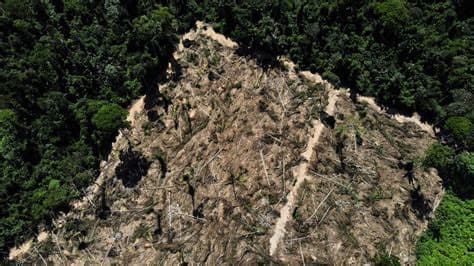
Deforestation in Brazil’s Amazon has fallen to its lowest level in a decade in the first half of the year, according to official figures released Friday. The data point to continuing progress in reducing forest clearing after a period of higher deforestation earlier in the decade.
Satellite monitoring showed that clearing declined from the previous year during the Aug. 1-to-Jan. 31 period, with the amount of forest loss detected in that timeframe reaching the lowest level for the interval since 2014. Over the trailing 12 months, the figures also fell to the lowest level since 2014, reinforcing the near-term decline revealed by the first-half satellite alerts.
Brazilian officials attributed the improvement to strengthened enforcement against illegal deforestation and to cooperation with municipalities in high-risk areas. Environment Minister Marina Silva said the decline reflects coordinated government action and said most of the municipalities with the highest deforestation rates have joined federal initiatives aimed at curbing illegal clearing.
While the early results are positive, the article notes that deforestation data can fluctuate seasonally and that longer-term outcomes will depend on whether Brazil can sustain enforcement gains. It also highlights that broader pressures—such as economic factors, expansion of infrastructure and agriculture, and climate-driven risks like drought and fires—could still affect the pace of deforestation as the year goes on.
Note: This article was published on BanxChange.com and is powered by the BXE Token on the XRP Ledger. For the latest articles and news, please visit BanxChange.com