Earth’s atmosphere often feels timeless, as though oxygen has always drifted quietly through forests, oceans, and human lungs. Yet the air surrounding the planet is the result of immense geological and biological processes unfolding across billions of years. Scientists now suggest that the path toward oxygen-rich atmospheres on planets may depend not only on surface life, but also on hidden chemical relationships deep within planetary mantles.
The research explores how certain elements inside a planet’s mantle can influence whether oxygen accumulates in the atmosphere over long periods. Scientists describe these elements as “oxygen’s friends” because they interact chemically in ways that may stabilize oxygen production and prevent it from being absorbed too rapidly into planetary interiors. Such findings could reshape how researchers search for habitable worlds beyond Earth.
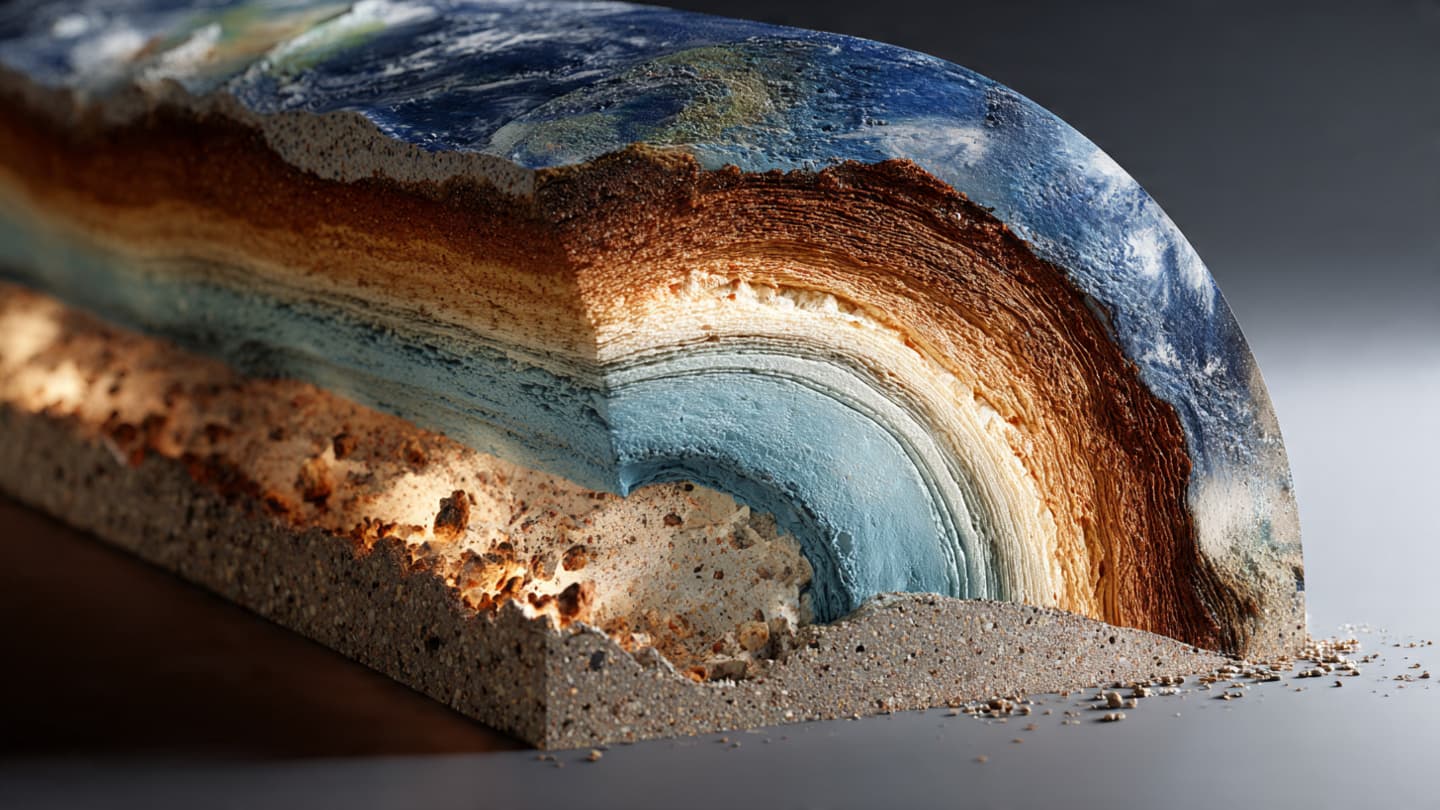
Planetary atmospheres are deeply connected to internal geology. Volcanoes, tectonic movement, and mantle chemistry continuously exchange gases between a planet’s surface and interior. Even if life begins producing oxygen, the atmosphere may not remain oxygen-rich unless geological systems allow oxygen to persist rather than vanish into rocks and molten layers below.
The study has attracted attention among astrobiologists searching for signs of life on distant exoplanets. For decades, oxygen has been considered one of the strongest potential indicators of biological activity. However, researchers increasingly recognize that oxygen levels may depend on a more complicated partnership between life and planetary structure itself.
Earth’s own history reflects this complexity. Billions of years ago, the planet’s atmosphere contained very little oxygen despite microbial life already existing in the oceans. Over time, geological and biological conditions gradually aligned, allowing oxygen concentrations to rise in what scientists call the Great Oxidation Event. That transformation eventually supported more complex forms of life.
Researchers now believe that understanding a planet’s deep interior could become just as important as studying its atmosphere. Space telescopes may one day identify oxygen signatures on distant worlds, but scientists caution that atmospheric composition alone may not reveal the full story of habitability. Geological context could prove equally essential.
The idea also highlights how invisible planetary systems shape everyday existence. Beneath mountains and oceans, mantle processes continue influencing climate, volcanic activity, and atmospheric chemistry on timescales far beyond human experience. The air itself may therefore be partly shaped by forces hidden deep underground.
As astronomers continue studying distant planets and Earth’s ancient history, the findings offer another reminder that habitability is rarely simple. Oxygen-rich worlds may emerge not only through life at the surface, but through quiet chemical partnerships formed far below the crust.
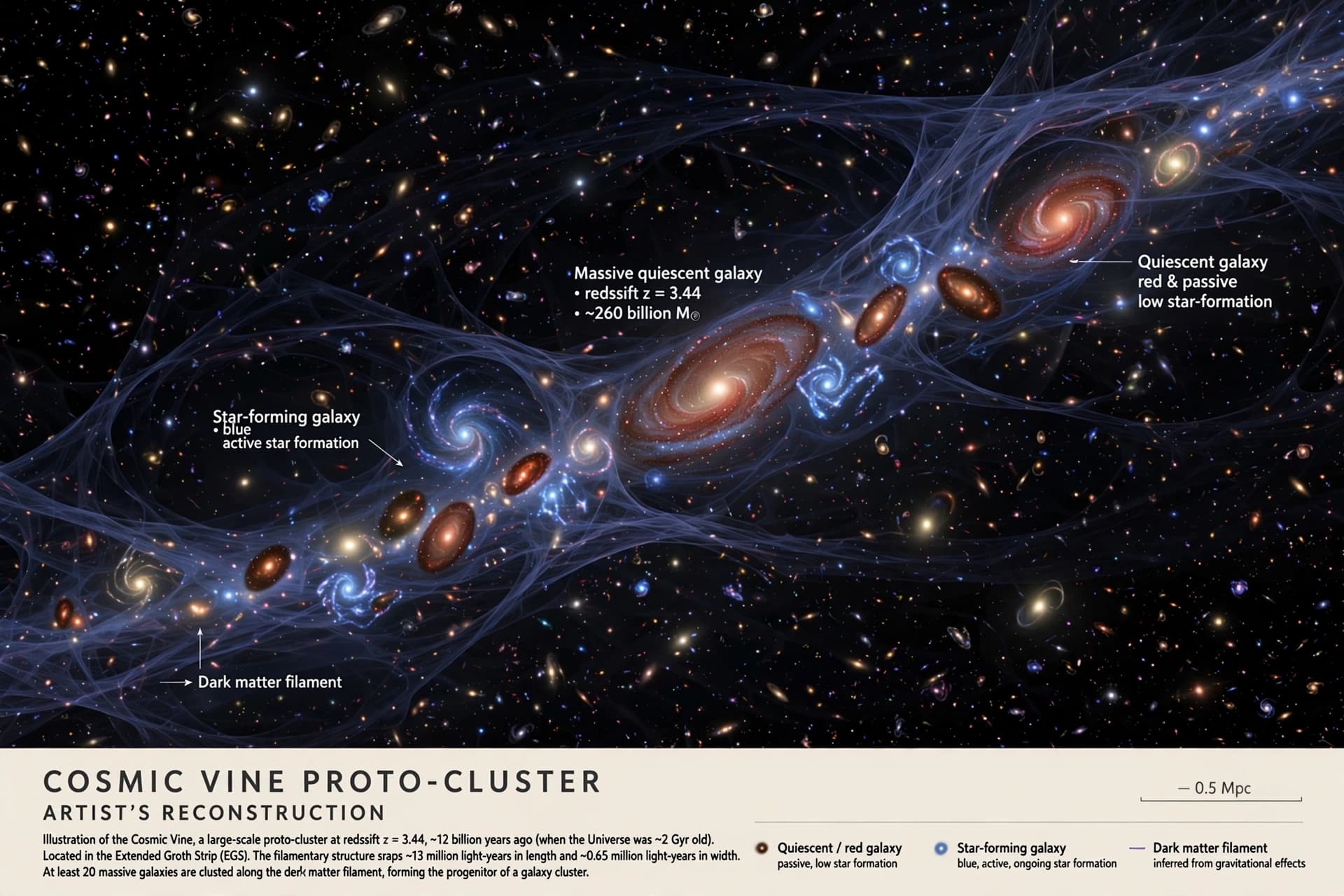
AI Image Disclaimer: Some scientific illustrations accompanying this article were AI-generated for editorial visualization purposes.
Sources: Nature, Live Science, Scientific American, NASA, Reuters
Published by Banx Network. This article is part of the Banx decentralized media programme, powered by the BXE token on the XRP Ledger.