
Some chapters of history remain unsettled long after the events themselves have faded from daily headlines. Across decades, unresolved tragedies can continue shaping diplomacy, public memory, and legal debate between nations separated not only by geography, but also by ideology and historical mistrust. That lingering tension resurfaced after the United States formally charged former Cuban President Raúl Castro over the 1996 downing of two civilian aircraft that killed four people, including American citizens.
Federal prosecutors in the United States announced charges including conspiracy to kill US nationals, murder, and destruction of aircraft. Authorities alleged that Castro, who served as Cuba’s defense minister at the time, played a role in authorizing the military operation targeting planes operated by the exile humanitarian group Brothers to the Rescue.
The aircraft were shot down by Cuban fighter jets near international airspace in February 1996, an incident that became one of the most controversial moments in modern US-Cuba relations. Cuban authorities at the time argued the planes repeatedly violated Cuban airspace, while Washington condemned the action as unlawful and disproportionate.
American officials described the indictment as part of a broader commitment to pursuing accountability for attacks involving US citizens regardless of how much time has passed. Acting Attorney General Todd Blanche stated that political office or historical status should not shield individuals from legal scrutiny.
Cuban authorities rejected the accusations and characterized the legal action as politically motivated pressure from Washington. Havana has long defended the 1996 military response as necessary to protect national sovereignty against repeated provocations near Cuban territory.
The indictment arrives during another period of strained relations between the two countries. Recent sanctions, economic pressure, and political rhetoric have intensified tensions while reducing the already limited diplomatic engagement between Havana and Washington.
Analysts note that the practical legal consequences may remain limited because Castro, now in his nineties, is unlikely to voluntarily appear in a US court. Nevertheless, the symbolic significance of formally charging a former Cuban leader carries major political weight both inside the United States and across Latin America.
For many Cuban exile communities in Florida, the announcement revived painful memories connected to the deaths of the four victims. Advocacy groups described the indictment as a long-delayed acknowledgment of unresolved grief and accountability surrounding the incident.
As reactions continue unfolding internationally, the case illustrates how historical conflicts can remain politically active across generations. Even after decades pass, unresolved events often continue shaping diplomacy, legal action, and public memory between nations with complicated histories.
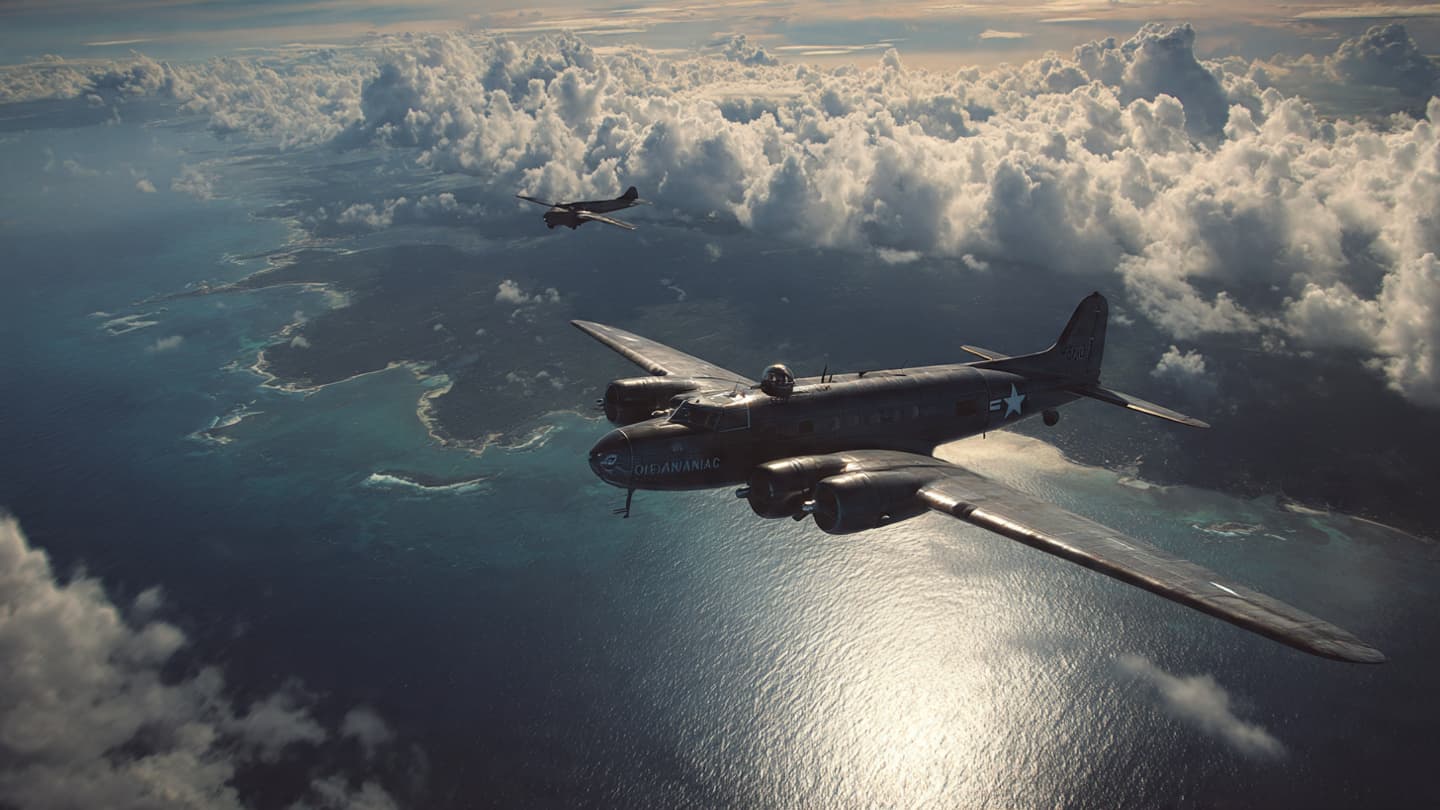
Illustrative imagery associated with this report was partially created using AI-assisted visual generation tools.
Sources Verified: Reuters, Associated Press, The Washington Post, ITV News, The Guardian
Note: This article was published on BanxChange.com and is powered by the BXE Token on the XRP Ledger. For the latest articles and news, please visit BanxChange.com