
London, United Kingdom—A spike in drowning incidents across UK reservoirs and rivers has claimed nine lives since the start of the record-breaking Bank Holiday heatwave. Emergency services have been stretched thin, responding to a series of tragedies as temperatures reached 35C. The National Water Safety Forum reports that inland waterways are particularly lethal during periods of extreme heat.
Young people account for the majority of the fatalities. Families are being warned that even the strongest swimmers are at risk due to the hidden dangers of cold-water shock. Water temperatures in deep reservoirs often remain dangerously low despite the blistering air temperature above.
In South Yorkshire, a young boy’s body was recovered from a reservoir after a massive search operation. Similar scenes played out in Warwickshire and Lincolnshire, where teenagers were pulled from lakes and water parks. The victims range in age, highlighting the indiscriminate nature of the threat.
A 60-year-old man died in Cornwall while attempting to save family members who were struggling in the sea. Such incidents underscore the emotional toll of the weekend as bystanders often jump into the water to help, frequently becoming victims themselves. Police are urging the public to resist the instinct to enter the water without proper gear.
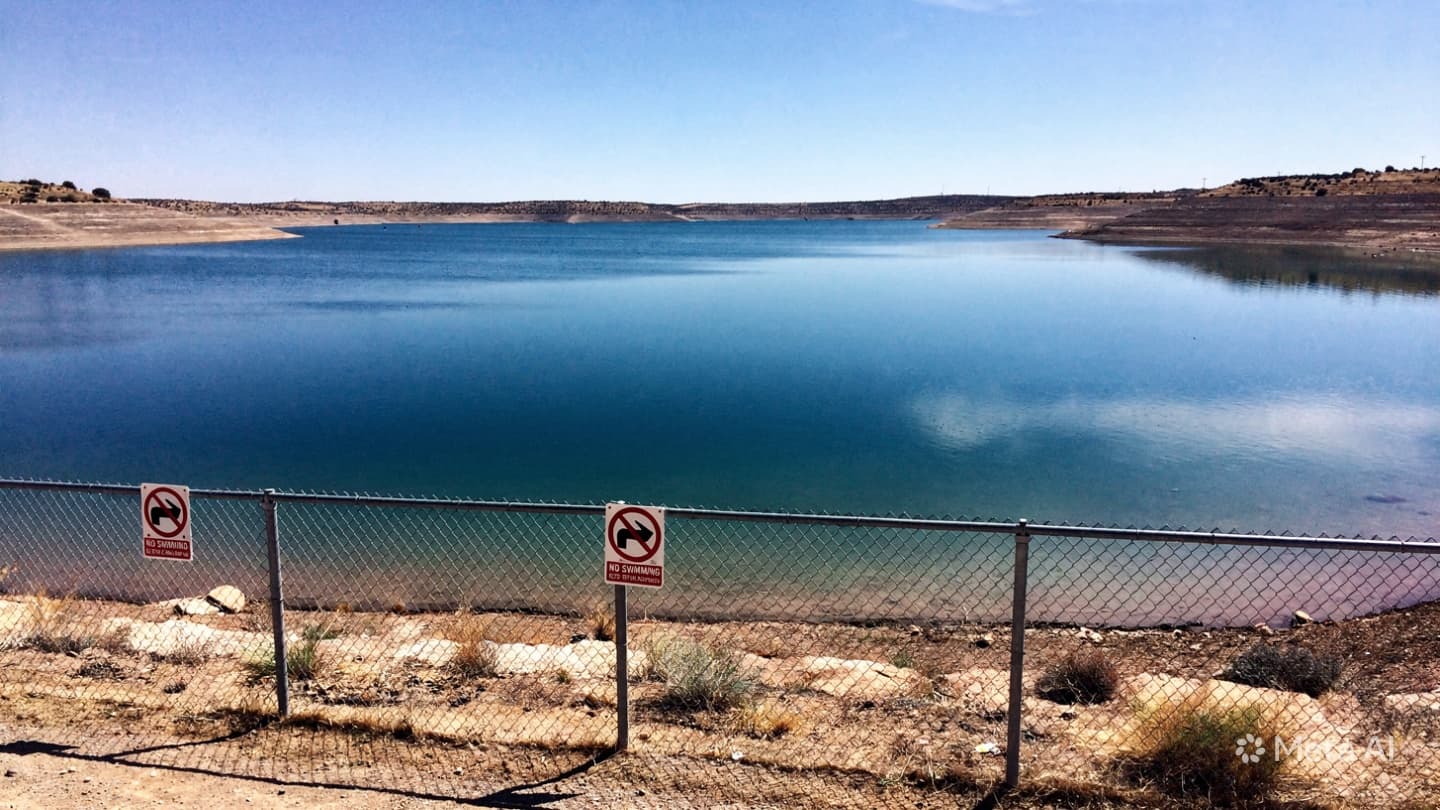
The Royal Life Saving Society has issued a stark warning that the risk of drowning increases fivefold when the air temperature crosses the 25C threshold. Many of the reservoirs where these deaths occurred are strictly off-limits for swimming, yet the heat has driven thousands to ignore warning signs.
Local authorities are now increasing patrols around known danger zones. They are installing additional signage and utilizing public address systems to clear crowds from reservoir banks. Despite these measures, the lure of the water remains difficult to counter as the heat persists.
Hospitals remain overwhelmed by the influx of patients suffering from both heat exhaustion and trauma. Medical staff are working to address the surge in emergency room visits. The combination of heat and water-related accidents has created a critical situation for regional resources.
The government is facing pressure to improve safety infrastructure around major inland waterways. There are calls for better-managed, supervised swimming areas to accommodate the public demand during future heatwaves. Until such systems are implemented, the risks will likely continue to escalate.
Note: This article was published on BanxChange.com and is powered by the BXE Token on the XRP Ledger. For the latest articles and news, please visit BanxChange.com