
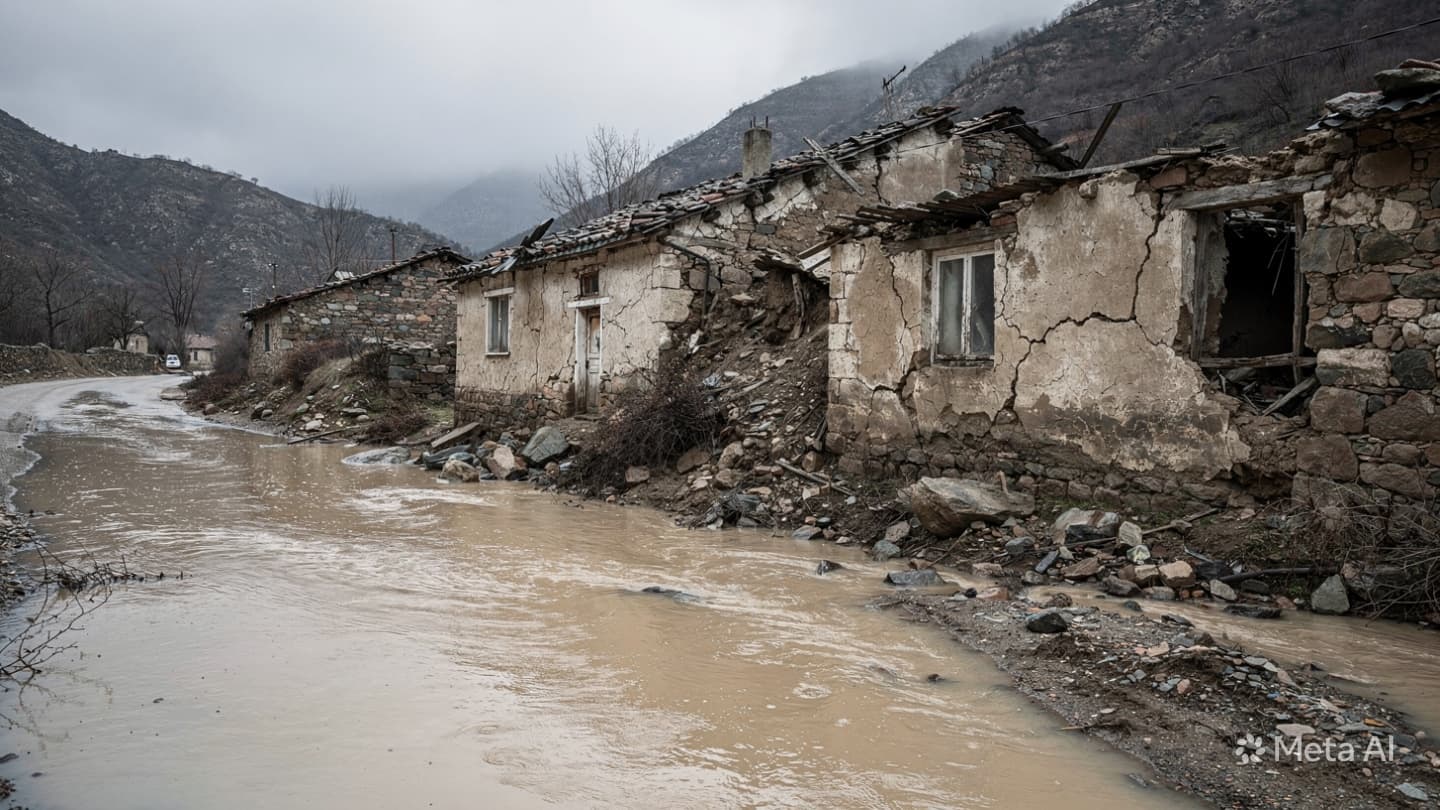
Key Highlights
- Five fatalities reported due to flash floods in Afghanistan.
- Eight provinces affected, with significant property and agricultural damage.
- Thousands displaced and in need of emergency assistance.
Kabul, Afghanistan—Flash floods and severe storms have tragically claimed five lives across eight provinces in the past two days. The Afghanistan National Disaster Management Authority confirmed these fatalities on Saturday, attributing the devastation to heavy rainfall that has triggered landslides and widespread property damage throughout the nation. Thousands of acres of farmland have been submerged, exacerbating the already precarious situation for many rural communities.
The provinces affected include Kabul, Zabul, Kandahar, Samangan, Takhar, Nangarhar, Laghman, and Kunar. In addition to the loss of life, the storms have destroyed or partially damaged thirty residential homes. Rural infrastructure has also suffered significantly, with over sixty kilometers of roads washed away by the rising waters, complicating relief efforts.
Hafiz Mohammad Yusuf Hamad, a spokesperson for the disaster management authority, stated that the flooding has severely disrupted irrigation networks in the affected districts. This disaster has devastated local agricultural output, critically impacting farmers who depend on seasonal crops for their livelihoods. Many families have been displaced as their homes have become uninhabitable due to the flooding.
Residents in Kunar described the speed of the rising waters as catastrophic, with torrents leveling boundary walls and inundating storehouses, destroying essential winter food stocks and household equipment. Aid groups are currently facing challenges in reaching remote areas, where mountain roads have been blocked by mudslides, further complicating the delivery of much-needed assistance.
This recent flooding event adds to an already deadly season for Afghanistan. Since late March, authorities report that similar weather patterns have resulted in over 314 deaths and hundreds of injuries. The cumulative impact of these disasters has left thousands in urgent need of emergency shelter and medical supplies, highlighting the ongoing humanitarian crisis in the region.
Local government officials are working to coordinate relief efforts, but resources are limited. The destruction of livestock and solar panel arrays, which provide essential energy to remote villages, has further hampered recovery efforts. Communities are now appealing for international assistance to help clear debris and restore basic connectivity to their areas.
Meteorological warnings indicate that more rain is expected in the coming week, raising concerns about the potential for secondary landslides in the eastern provinces. Disaster response teams are prioritizing the clearance of primary supply routes to facilitate the movement of food convoys to affected areas.
Authorities have urged residents in high-risk zones to move to higher ground immediately. Despite these warnings, many families remain in vulnerable homes, reluctant to abandon their land and remaining property. The situation continues to evolve as assessments are conducted across the affected regions, with the need for immediate action becoming increasingly critical.
Published by Banx Network. This article is part of the Banx decentralized media programme, powered by the BXE token on the XRP Ledger.



