
Key Highlights
- Third Collapse:Cuba's national electric grid faced its third major outage in just nine days.
- Affected Population:The blackout impacted approximately 10 million residents across the island.
- Fuel Shortages:Officials attribute the failures to severe fuel shortages and aging infrastructure.
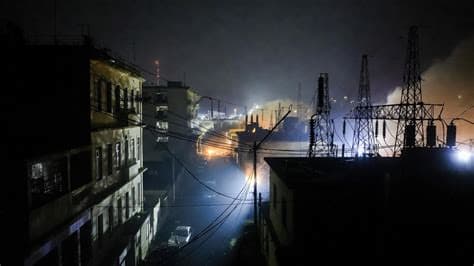
Cuba’s national electric grid collapsed again on Tuesday, marking the third significant outage in just over a week. The energy ministry reported a “total disconnection” that left the island's approximately 10 million residents without power. This latest incident exacerbates an already dire situation characterized by frequent power cuts and widespread frustration among the populace.
The recent blackouts have been linked to a severe fuel shortage that has crippled the country's aging power infrastructure. Officials have pointed to the ongoing economic sanctions imposed by the United States, which they claim limit oil supplies to Cuba, as a contributing factor to the crisis. The government has struggled to maintain a reliable energy supply, leading to public discontent that has been growing steadily in recent months.
In the wake of the latest blackout, many Cubans have taken to social media to express their anger and frustration over the unreliable electricity supply. The situation has sparked protests in various cities, with citizens demanding accountability and solutions from the government. The repeated failures of the electric grid have not only disrupted daily life but have also hindered economic activities across the island, further complicating an already challenging economic landscape.
The energy ministry has promised to address the issues plaguing the electric grid, but the solutions remain unclear. Experts suggest that without significant investment in infrastructure and a resolution to the fuel supply crisis, the situation is unlikely to improve in the near future. The government’s reliance on outdated technology and insufficient resources has left many questioning the viability of Cuba's energy strategy.
As the situation develops, the international community is watching closely. The ongoing energy crisis in Cuba raises questions about the broader implications for the region, particularly in terms of humanitarian assistance and economic stability. The Cuban government faces a critical juncture as it navigates the challenges posed by both internal and external pressures.
In summary, the collapse of Cuba's electric grid for the third time in July highlights the urgent need for systemic changes within the country's energy sector. With millions affected and public frustration mounting, the government must act decisively to restore power and confidence among its citizens.
Published by Banx Network. This article is part of the Banx decentralized media programme, powered by the BXE token on the XRP Ledger.



