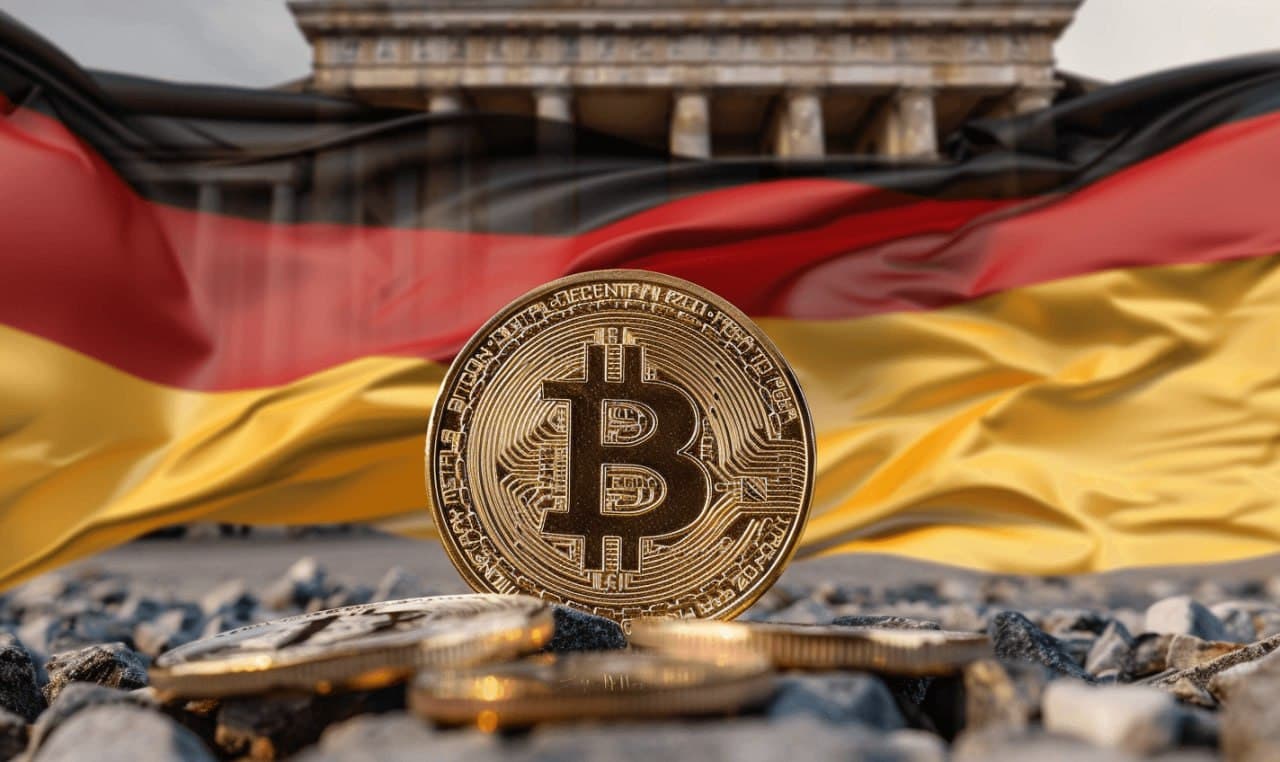
The relationship between traditional finance and cryptocurrency continues evolving as banks, asset managers and payment companies expand services linked to digital assets. What was once considered a niche investment sector has increasingly become integrated into mainstream financial markets. Major financial institutions now offer cryptocurrency custody, exchange-traded funds, blockchain research and tokenization services. These developments reflect growing demand from both institutional and retail investors seeking regulated access to digital assets. Bitcoin remains the largest cryptocurrency by market capitalization, while Ethereum continues leading decentralized finance and blockchain application development. Other digital assets have also gained attention as financial institutions explore new payment technologies and tokenized financial products. Regulatory clarity has improved in several major markets, encouraging broader participation while strengthening consumer protections. Policymakers continue developing frameworks addressing custody standards, anti-money laundering compliance and market transparency. Banks increasingly recognize blockchain technology's potential to improve payment efficiency, settlement processes and cross-border transactions. Tokenization of real-world assets, including bonds and investment funds, has emerged as another rapidly expanding area of financial innovation. Institutional investors continue allocating capital toward digital assets through regulated investment products, reflecting greater confidence in the sector's long-term potential despite ongoing market volatility. Educational initiatives have also expanded as universities, financial organizations and technology companies offer training programs covering blockchain development, digital finance and cryptocurrency investing. Nevertheless, industry experts continue emphasizing prudent risk management. Cryptocurrency prices remain highly volatile and investors are encouraged to conduct thorough research, diversify portfolios and understand regulatory developments before making investment decisions. Looking ahead, analysts expect continued collaboration between traditional financial institutions and blockchain companies. Advances in tokenization, decentralized finance and digital identity solutions may further reshape global financial markets during the coming decade. The growing integration of cryptocurrency into conventional finance represents one of the most significant developments in modern financial innovation. While challenges remain, the sector continues attracting investment, technological progress and regulatory attention. As adoption expands, digital assets are increasingly positioned to complement rather than compete with traditional financial systems, creating new opportunities for investors, businesses and consumers worldwide.
Published by Banx Network. This article is part of the Banx decentralized media programme, powered by the BXE token on the XRP Ledger.